Mom's Best Recipes
Recipe

Shrimp Lo Mein

Saucy, savory shrimp lo mein with crisp vegetables and springy noodles, ready fast and flexible with what you have.

Author By Matt Campbell
4.8
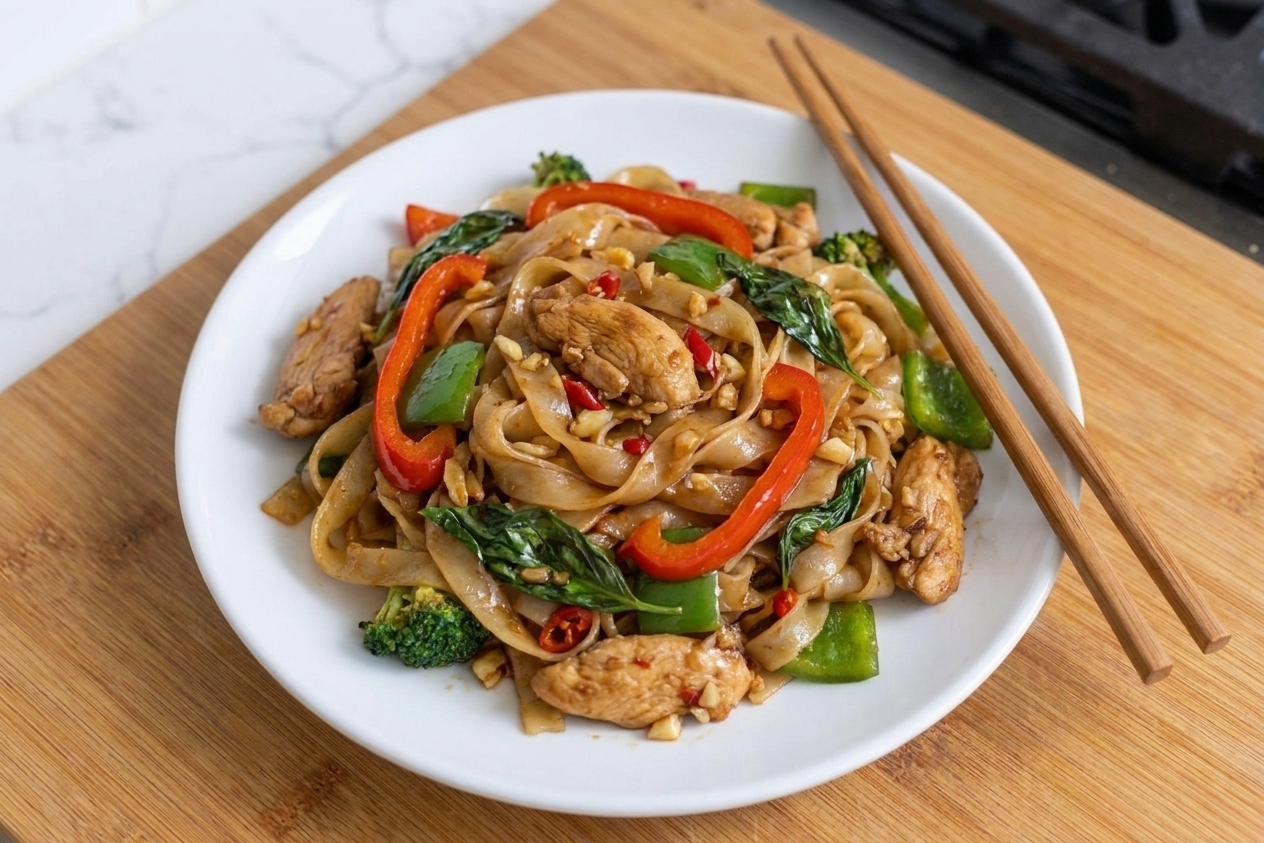
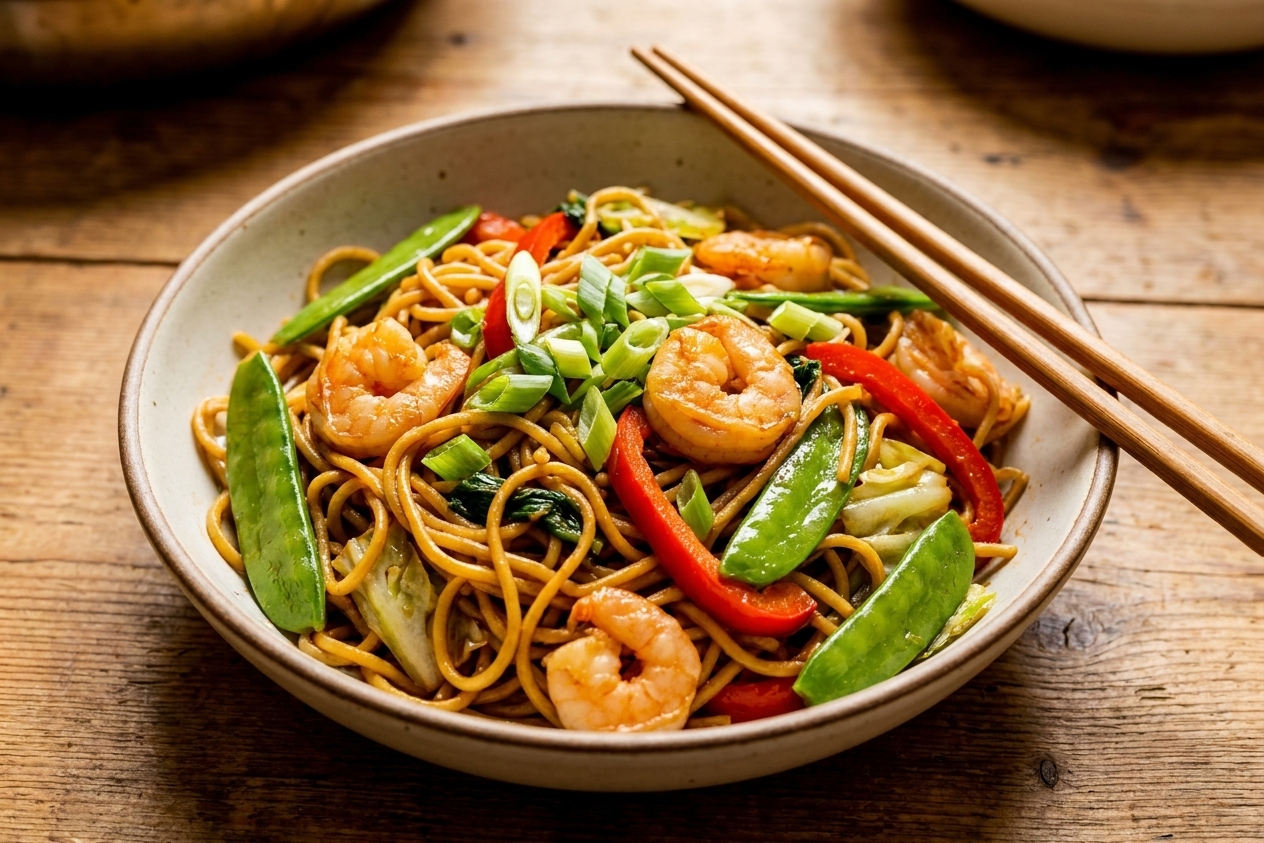
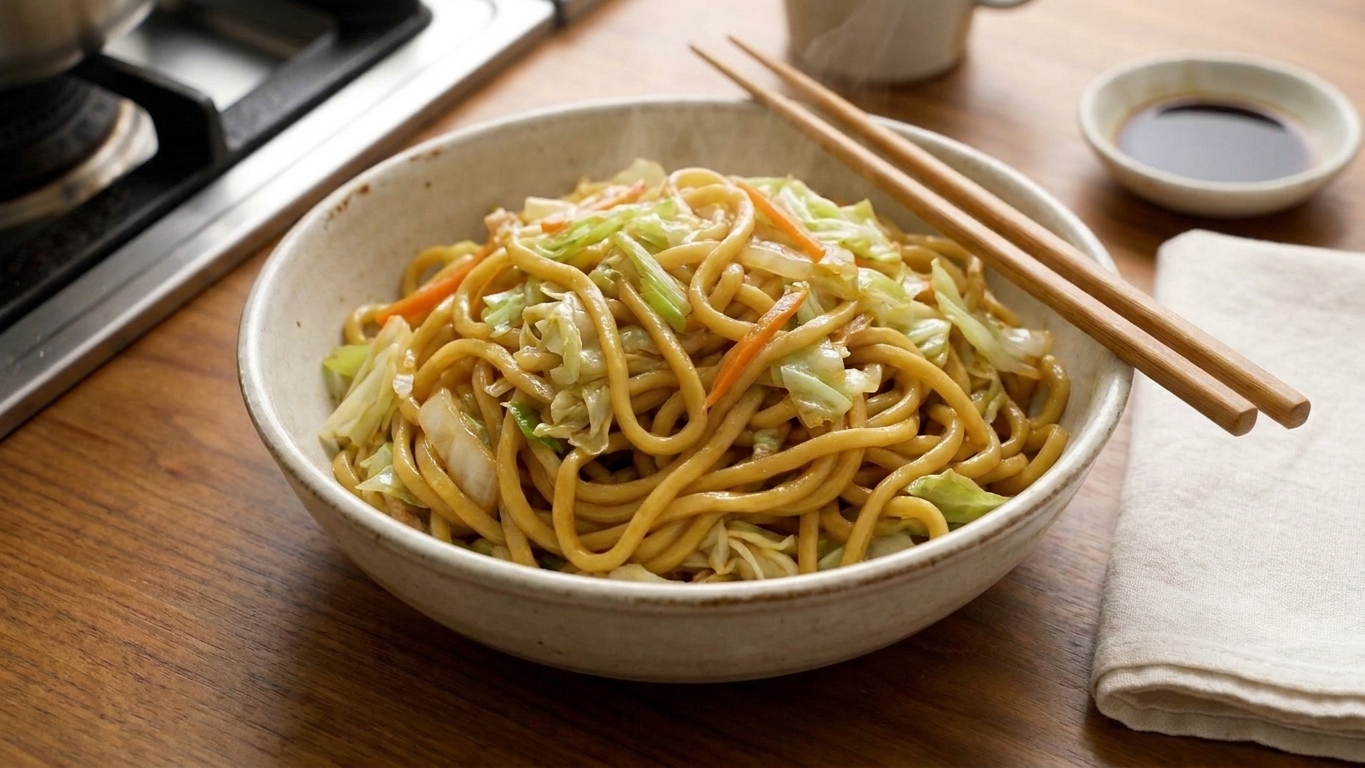
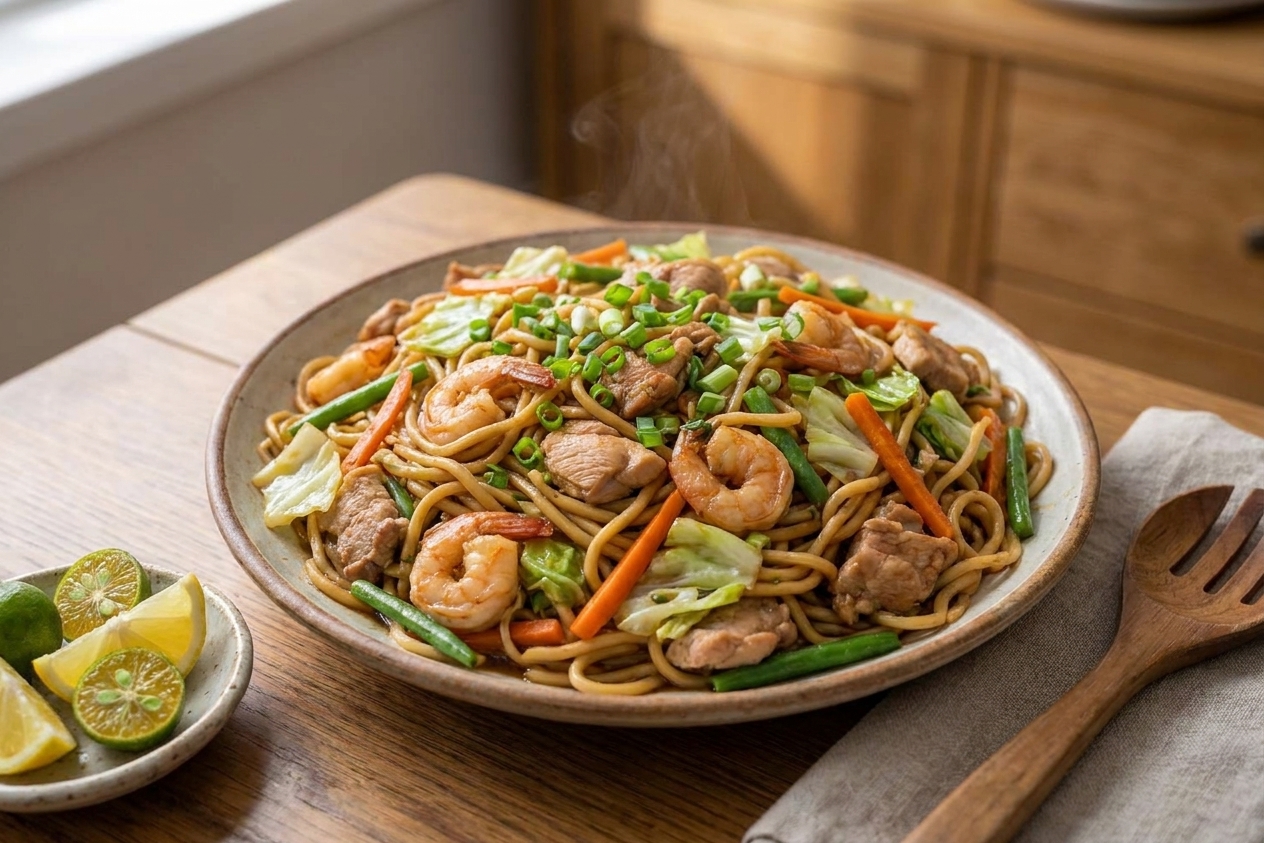
A glossy bowl of shrimp lo mein with curled shrimp, carrots, bell pepper, and scallions on a neutral stoneware plate on a warm kitchen table

Shrimp lo mein is one of those meals that makes you feel like you have your life together even if your sink is full and you are cooking in socks. It is fast, forgiving, and it hits the exact sweet spot between cozy noodles and bright, snappy vegetables.

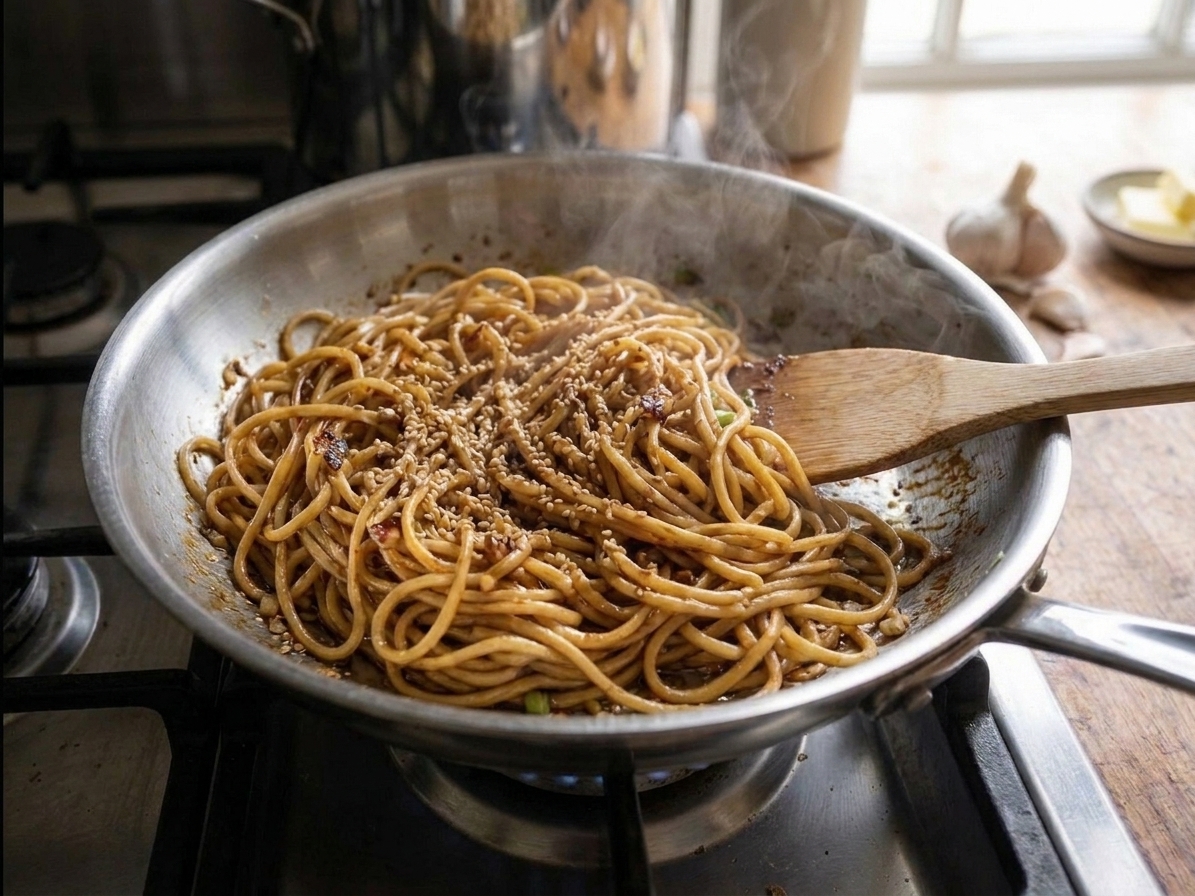
This version keeps the ingredients super normal, the steps super clear, and the flavor very much why is this so good. We are talking juicy shrimp, noodles that actually get coated (not drowned), and a glossy sauce that tastes like takeout in the best way.

One quick note that makes this truly weeknight-easy: have your veggies sliced and your sauce mixed before the pan gets hot. Stir-fry waits for no one.
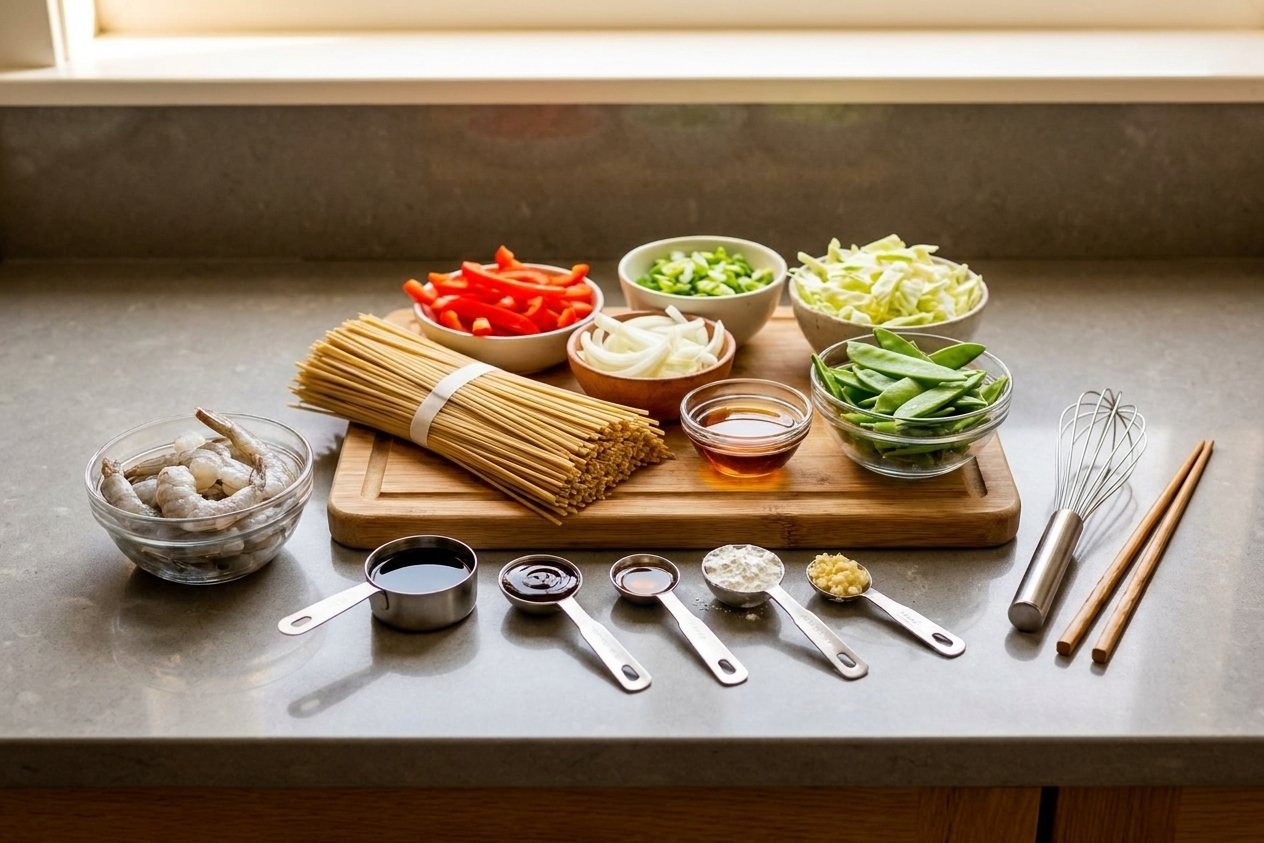
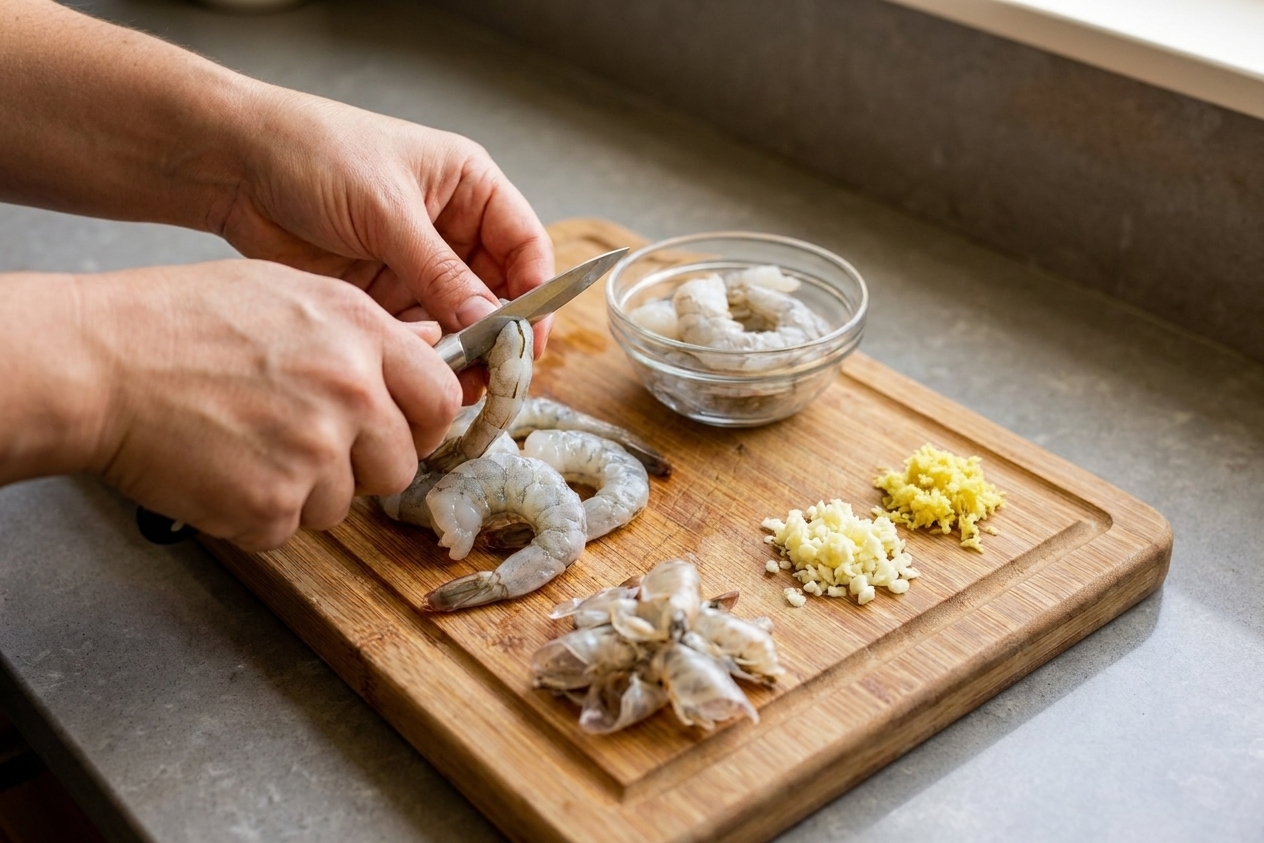
Measured sauce ingredients, raw shrimp, lo mein noodles, and sliced vegetables arranged on a clean kitchen counter under warm lighting

Why It Works

  • Balanced sauce that clings: Soy sauce, oyster sauce, and a little brown sugar give you that classic savory-sweet depth, while sesame oil keeps it smelling amazing.
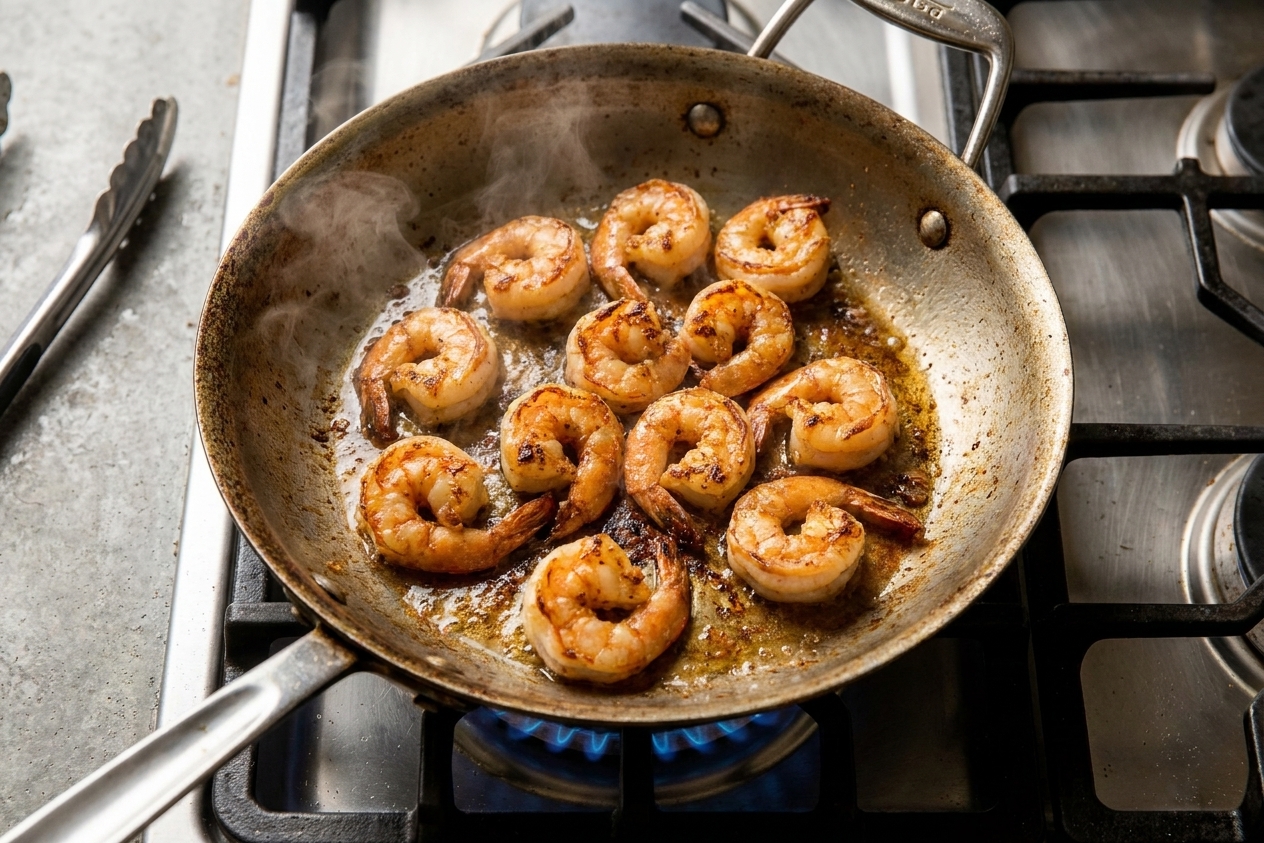
  • Perfect shrimp texture: We cook the shrimp quickly and pull it out so it stays plump, not rubbery.
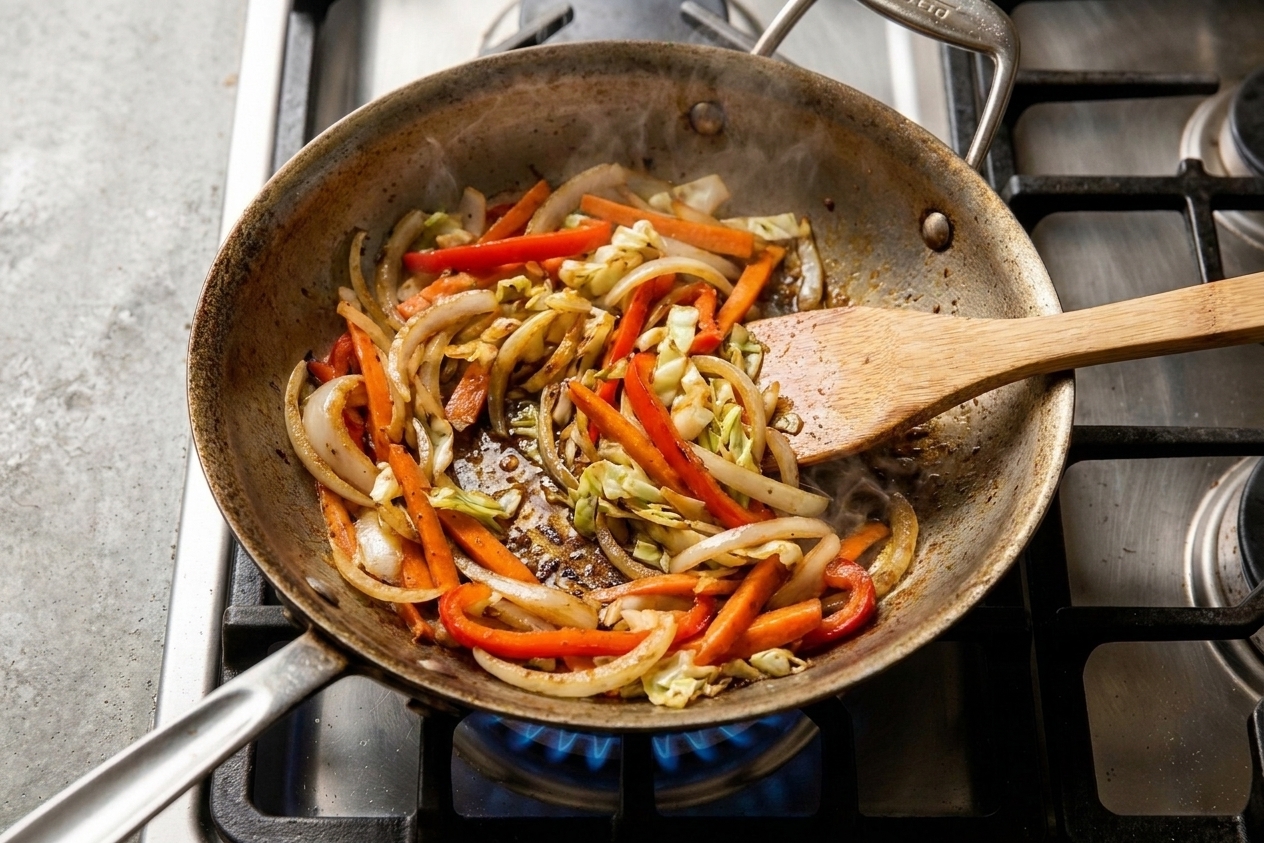
  • Crisp vegetables, not soggy: High heat, short cook time, and adding garlic and ginger at the end keeps everything lively.
  • Weeknight flexible: Swap the vegetables, use spaghetti in a pinch, and adjust the sauce to taste. Aim for your favorite balance of salty, sweet, tangy, and spicy.

Pairs Well With

Storage Tips

Fridge: Store leftovers in an airtight container for up to 3 days.

Reheat: Best in a skillet over medium heat with a splash of water or chicken broth to loosen the sauce. Microwave works too, just cover it and stir halfway through so the noodles do not dry out.

Freezing: You can freeze it, but I do not love what freezing does to the noodles and shrimp texture. If you do freeze it, cool completely, portion it, and freeze up to 1 month. Thaw overnight in the fridge before reheating.

Common Questions

What noodles should I use for lo mein?

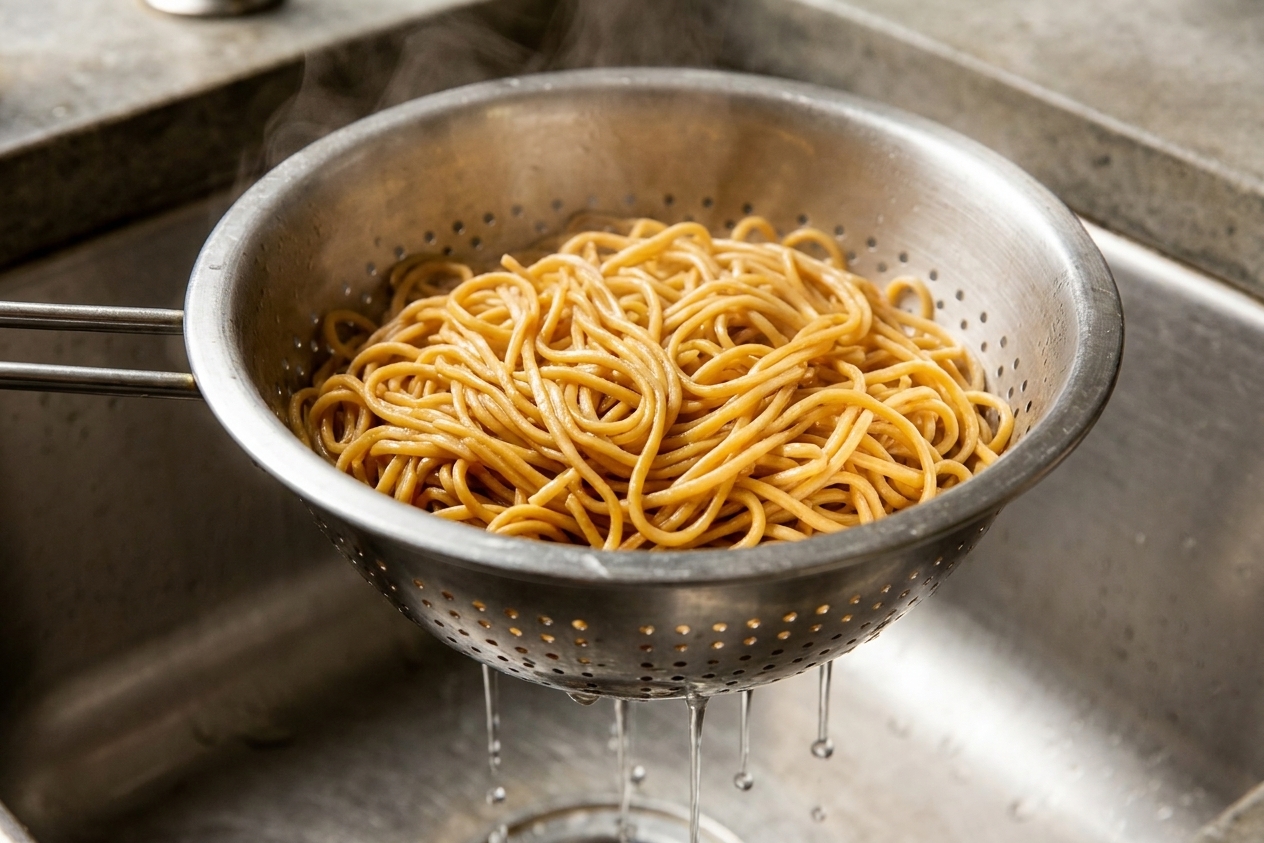
Lo mein noodles are ideal, but you can absolutely use spaghetti, linguine, or even ramen-style noodles. The key is to cook them just until tender. If you are not stir-frying immediately, a quick rinse helps stop carryover cooking and prevents sticking. If you are going straight from colander to wok, you can skip the rinse and just toss with a tiny bit of oil.

Can I make shrimp lo mein without oyster sauce?

Yes. Oyster sauce gives classic takeout flavor and body, but you can substitute hoisin sauce (slightly sweeter) or use an extra tablespoon of soy sauce plus a teaspoon of brown sugar. If you want more depth, add a tiny splash of fish sauce.

How do I keep the shrimp from getting rubbery?

Cook it fast over medium-high heat and pull it as soon as it turns pink, opaque, and curls into a loose C shape. If it curls into a tight O, it is usually overcooked. Also, add it back at the end just to warm through.

Why is my lo mein watery?

Usually it is one of three things: the pan was not hot enough, the vegetables released liquid because they were crowded, or the noodles carried extra water. Use high heat, cook in batches if needed, and shake the noodles dry before they hit the pan.

Can I add an egg like takeout?

Do it. Push the veggies to the side, scramble 1 to 2 eggs in the pan, then toss everything together before adding noodles and sauce.

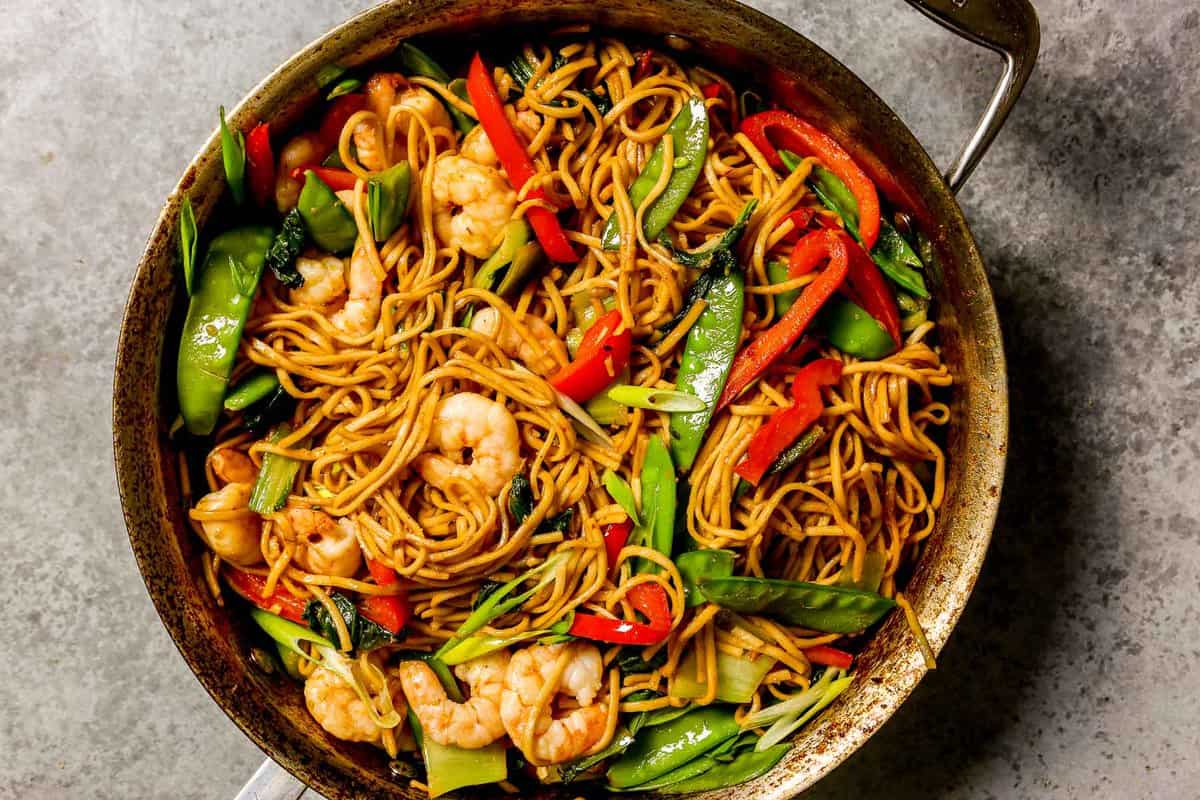
Shrimp lo mein is one of my go-to “I want something restaurant-y but I also want to be done in 30 minutes” meals. The first time I really nailed it at home, it was because I stopped trying to cook everything at once. Shrimp out first, veggies next, noodles last, sauce in, toss like you mean it. Suddenly it was glossy, punchy, and exactly the kind of bowl you eat standing at the counter because you cannot wait for a plate.