Mom's Best Recipes
Recipe

Sourdough Baguette

Crackly crust, chewy center, and the kind of tangy, wheaty flavor that makes butter feel like a full meal.

Author By Matt Campbell
4.8
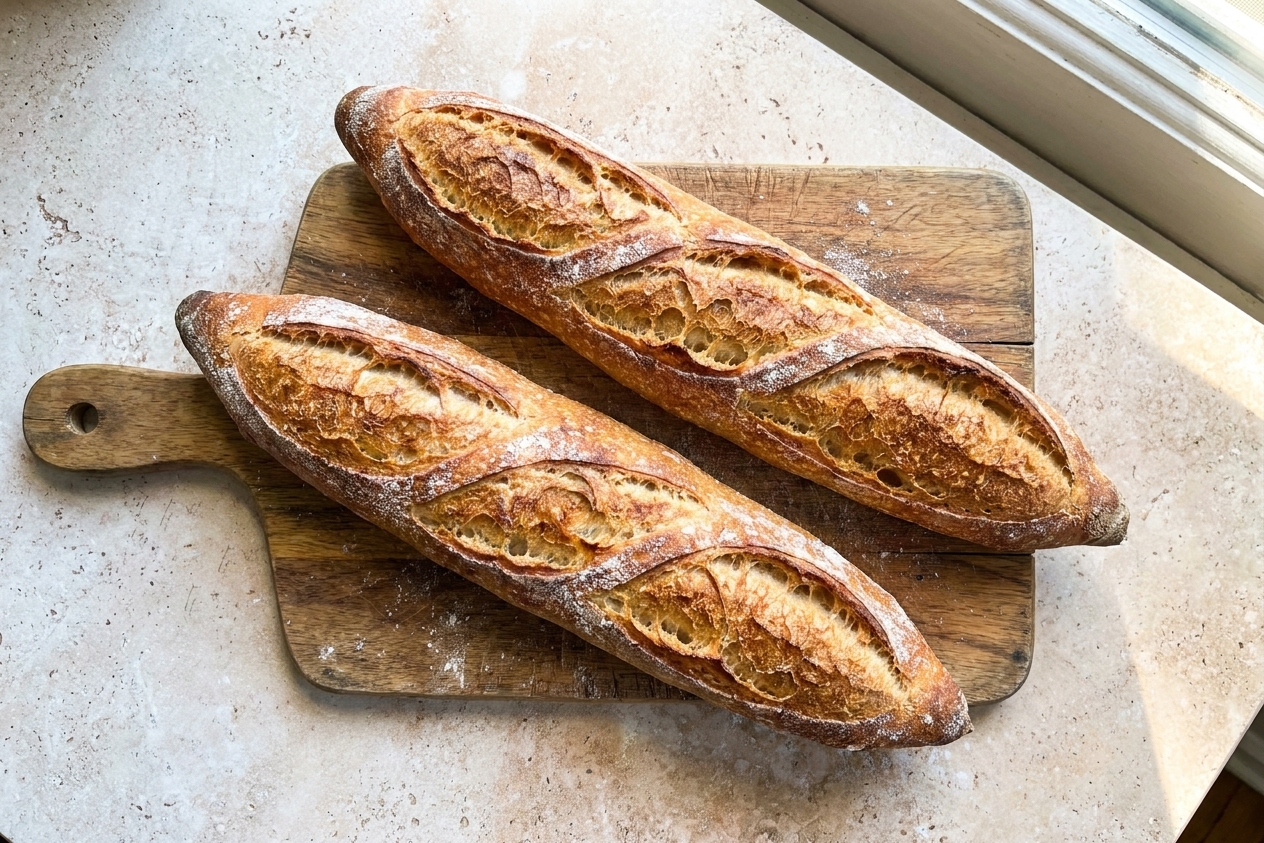
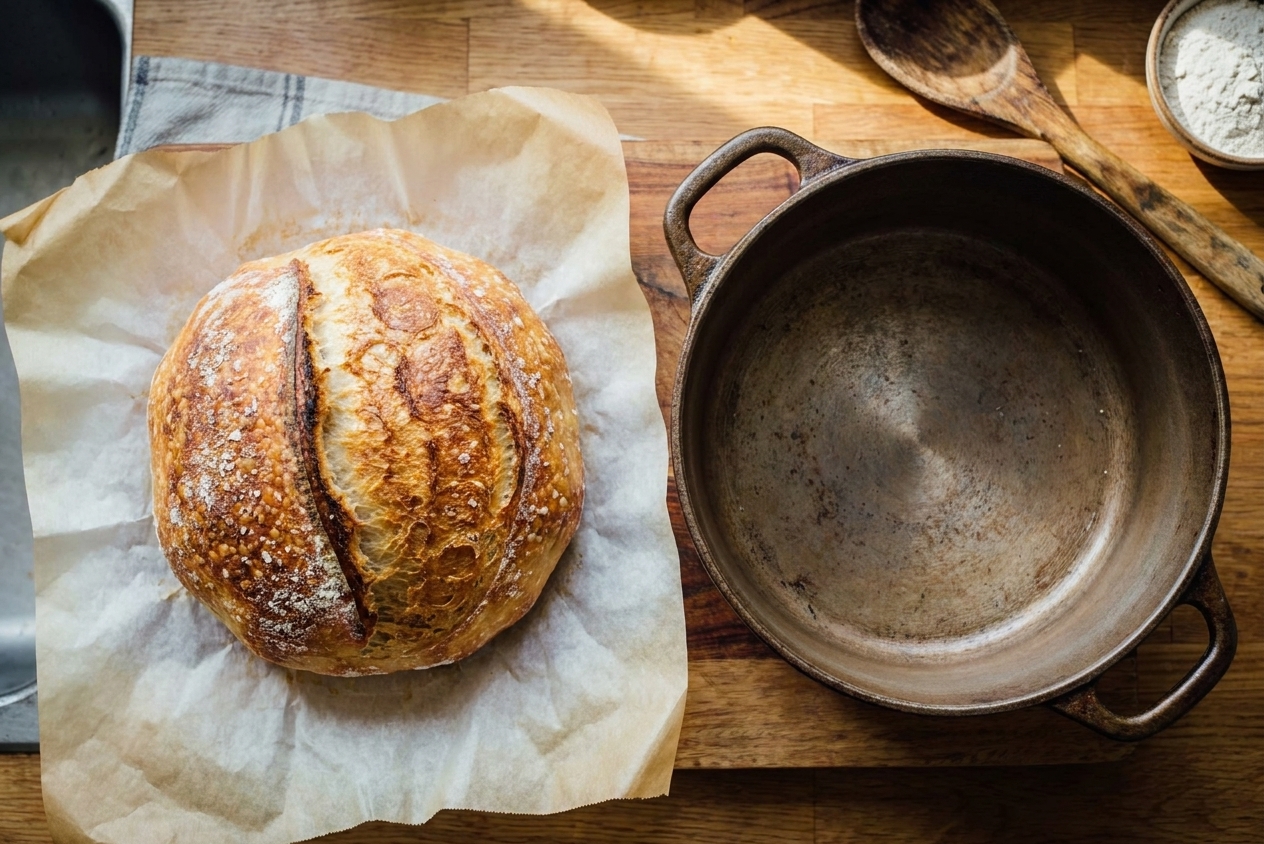
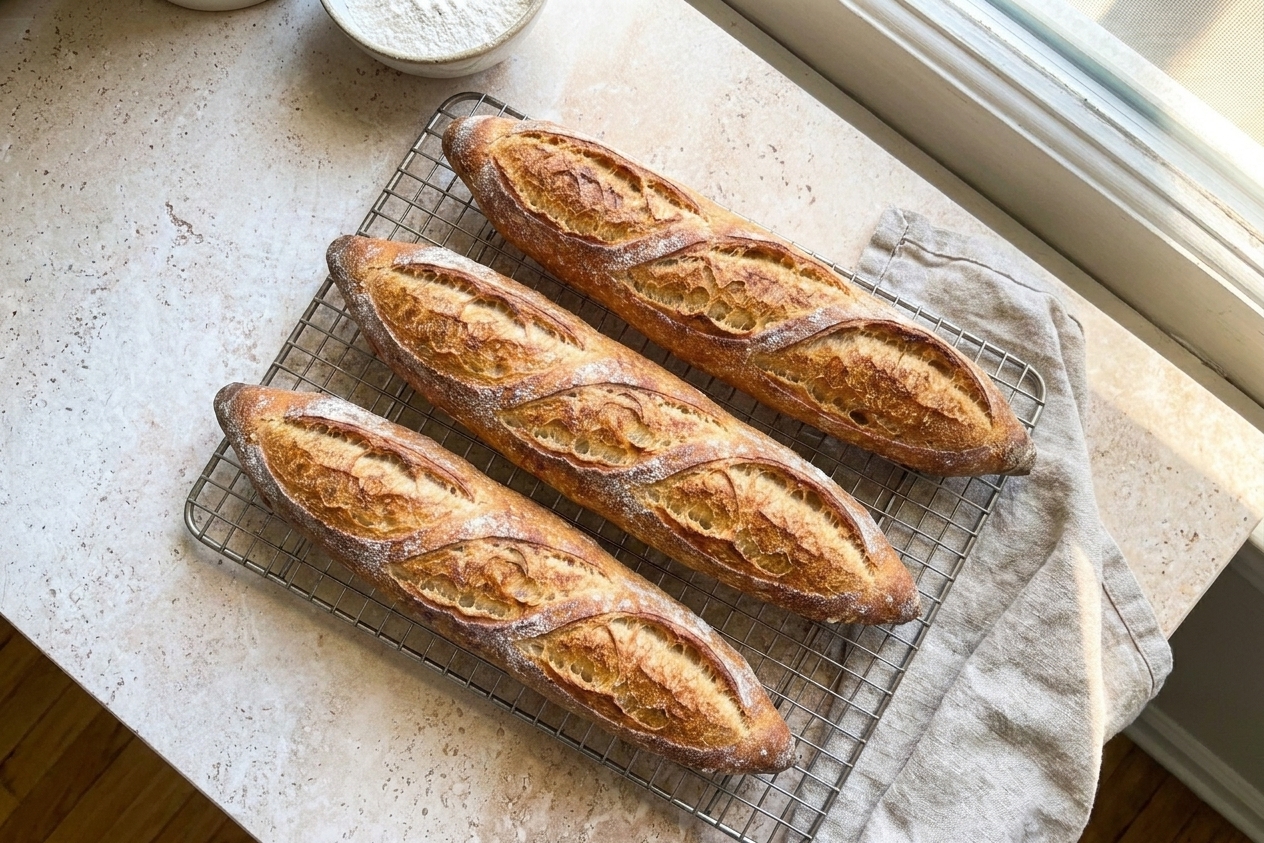
Two golden sourdough baguettes with deep scores cooling on a wooden board on a bright kitchen counter

If you have ever torn into a real baguette and heard that little crackle before the crumb even shows up, you already get the goal here. A great sourdough baguette is thin-crusted, boldly baked, and ridiculously snackable. It is also not the kind of bread that needs secret ingredients or fancy flour if you can be patient and pay attention.

This is my home-friendly approach: accessible ingredients, clear steps, and a couple of small tricks that make a big difference. We use a moderate hydration, easy-to-handle dough, build strength with folds, give it a cold ferment for flavor, then bake it hot with steam so you get crisp edges and a glossy, blistery crust.

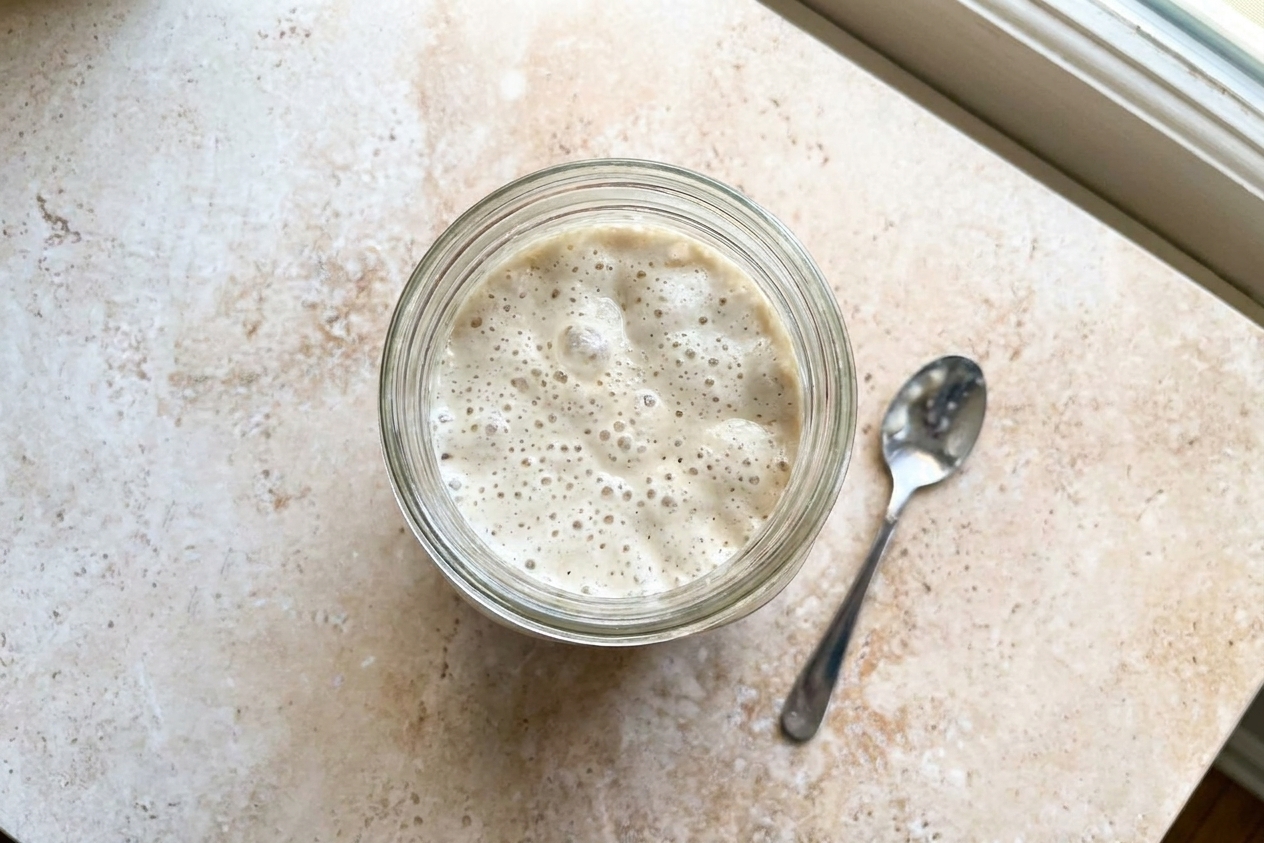
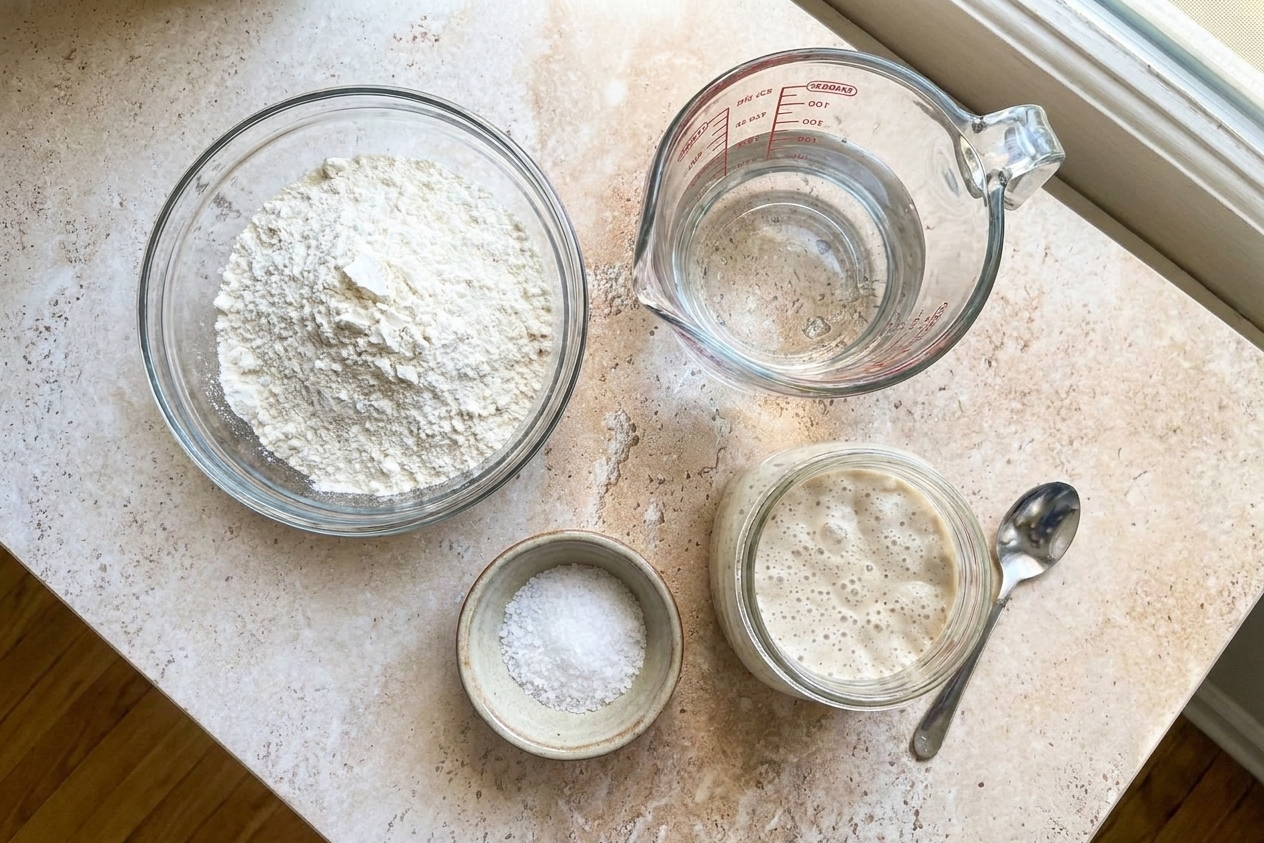
A glass jar of active bubbly sourdough starter on a kitchen counter next to a small spoon

Why It Works

  • Thin, crisp crust with real snap: High heat plus steam in the first part of the bake keeps the surface elastic so the baguettes expand, then turns crackly as the moisture bakes off.
  • Open but not wild crumb: Baguettes should be airy, not hollow. Moderate hydration and good shaping give you those long, irregular holes without collapsing.
  • Deep sourdough flavor without drama: A room-temp bulk rise followed by an overnight fridge rest builds complexity and makes shaping easier the next day.
  • Repeatable results: This method is written for a typical home oven, with options for a baking steel or stone and a simple steam setup.

Pairs Well With

Storage Tips

Day 1 (best crust): Leave baguettes cut-side down on a cutting board, or store in a paper bag at room temperature. Avoid plastic if you want crisp crust.

Day 2 to 3: Store at room temperature in a breathable bag. To revive: mist lightly with water, then heat at 375°F for 8 to 12 minutes directly on the oven rack.

Freezing: Cool completely, then wrap tightly and freeze up to 2 months. Reheat from frozen at 375°F for 15 to 20 minutes. If you prefer, slice first so you can toast pieces straight from the freezer.

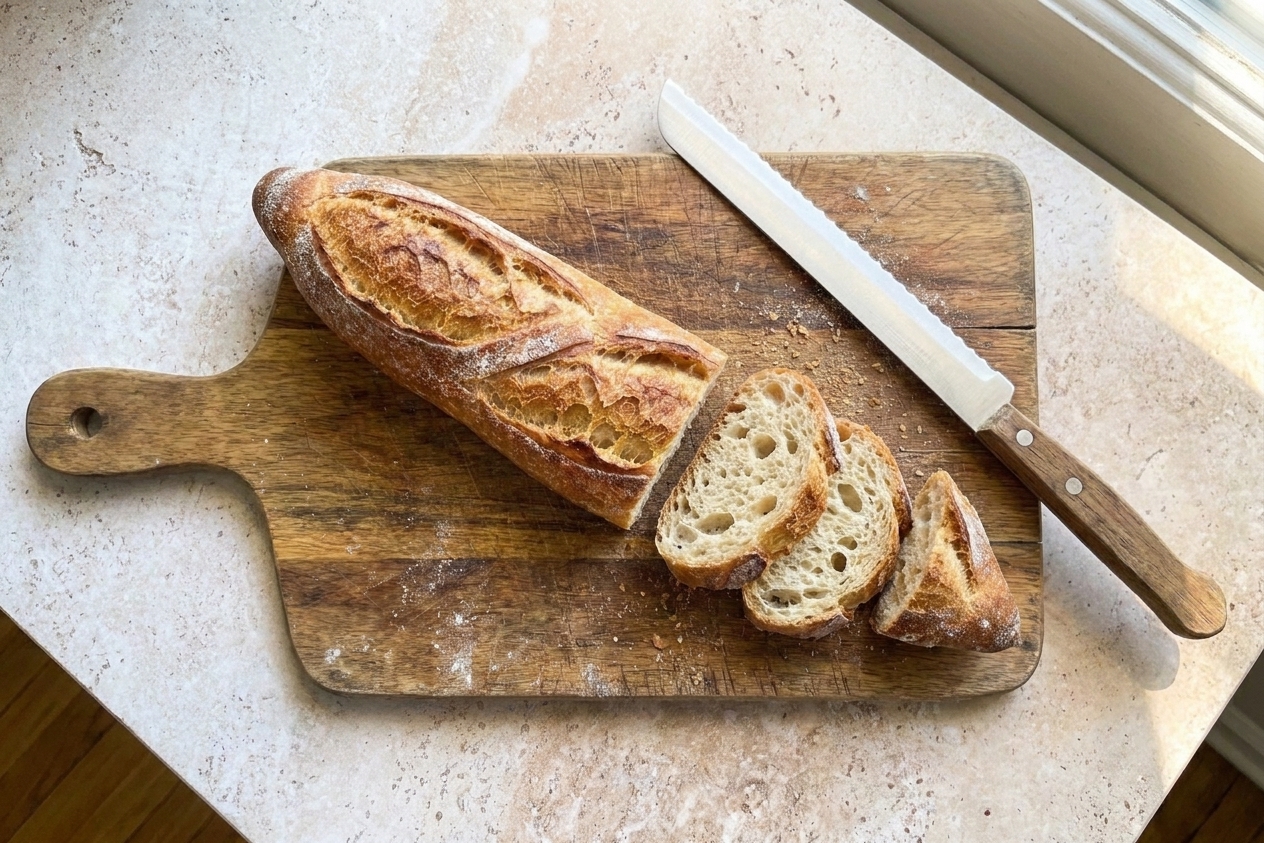
Sliced sourdough baguette on a cutting board with a serrated bread knife beside it

Common Questions

Do I need a baguette pan?

No. A baguette pan helps the loaves keep their shape, but you can get great results on a preheated baking steel or stone. If you do not have either, bake on an inverted sheet pan and expect a slightly less dramatic bottom crust.

How do I get that shiny, blistery crust at home?

Steam, high heat, and a cold ferment. Steam for the first part of the bake, then vent the oven so the crust dries and crisps. The overnight fridge rest also encourages small surface blisters.

My baguettes keep bursting on the side. Why?

Usually one of three things: your score was too shallow, the dough was under-proofed, or you did not use enough steam early on. Aim for confident, angled scores about 1/4 inch deep, and make sure the dough looks airy and jiggly before baking.

Note on the poke test: If your baguettes are cold straight from the fridge, the poke test can be less reliable because cold dough springs back differently. Instead, look for visible aeration, a slightly puffy shape, and dough that feels lighter than when you shaped it.

Can I use all-purpose flour instead of bread flour?

Yes, but bread flour is more forgiving. If using all-purpose, hold back a tablespoon or two of water at first, and focus on building strength during bulk fermentation.

What if my starter is not super strong?

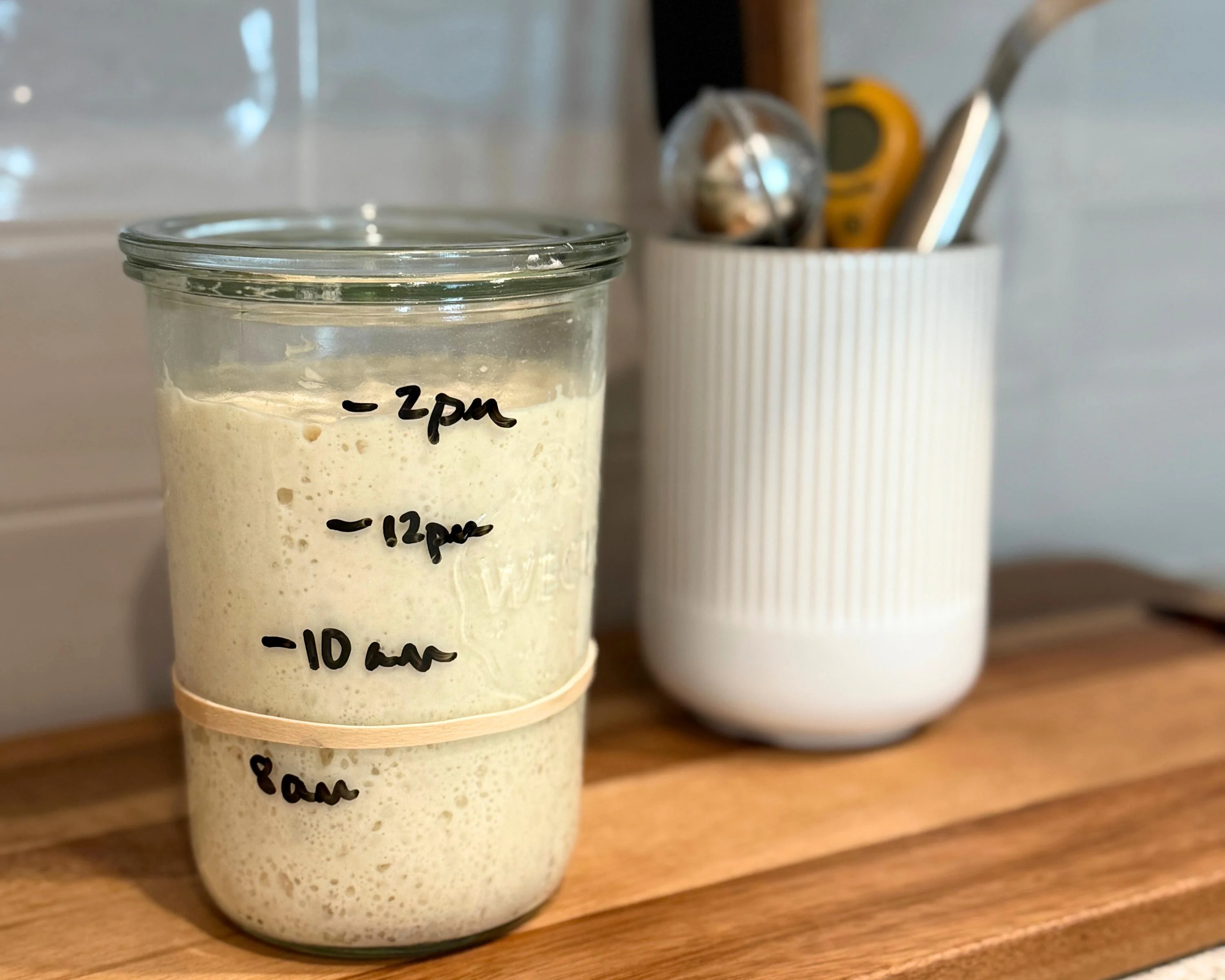
Feed it 1 to 2 times before baking and use it at peak activity. If it is sluggish, give the dough warmer time during bulk fermentation and expect it to take longer.

Is it safe to pour boiling water into a hot pan for steam?

It works well, but be careful. Use a sturdy metal pan (cast iron is great), pour slowly, and keep your face and hands away from the burst of steam. Avoid glass pans. If you prefer, use a handful of ice cubes instead of boiling water, or add preheated lava rocks to the pan for gentler steam.
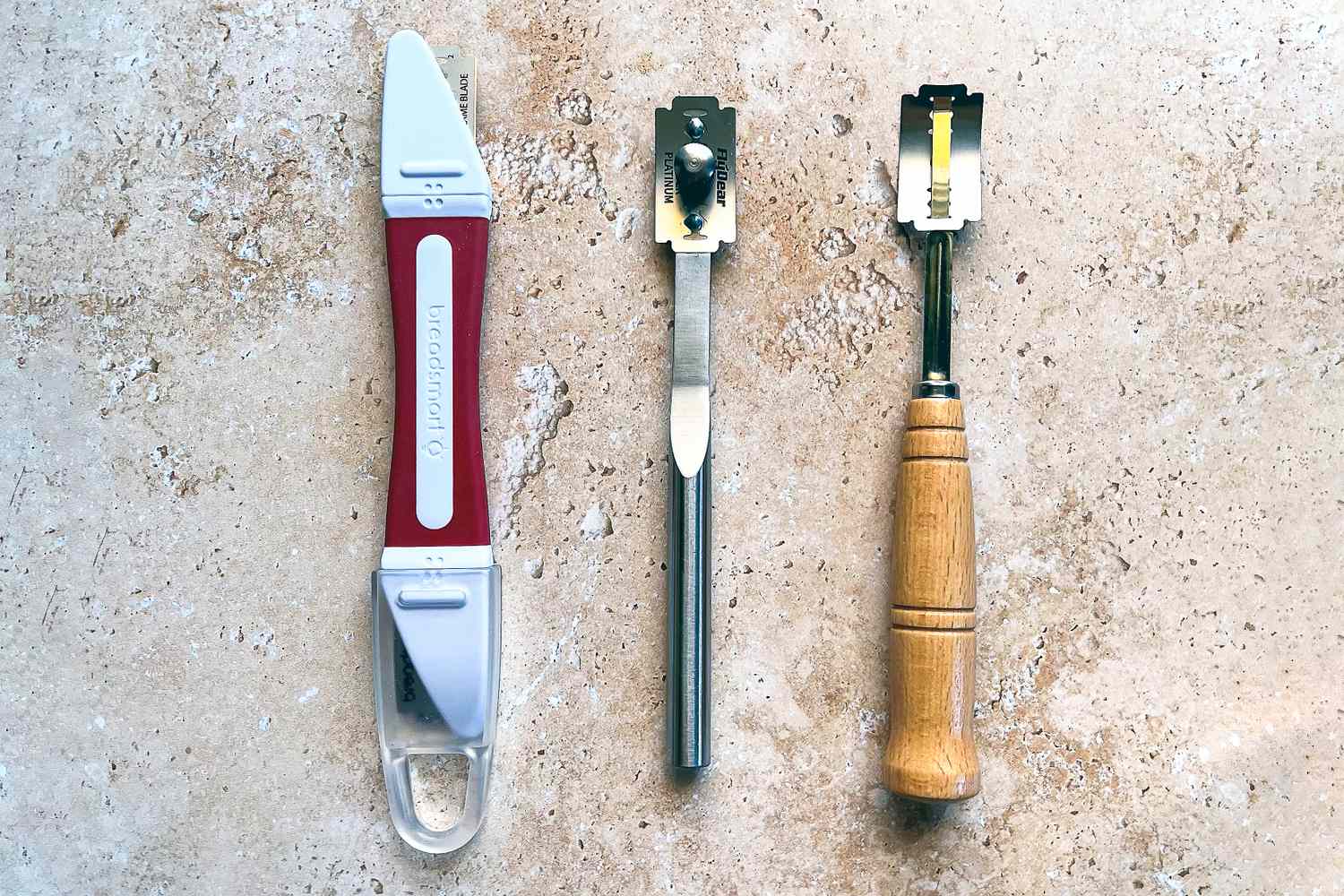

A hand scoring proofed sourdough baguette with a bread lame on parchment paper

I did not grow up making baguettes. I grew up eating the kind that shows up in a paper sleeve and somehow disappears on the drive home. The first time I tried shaping baguettes, I rolled them like play-dough and baked two very confident breadsticks.

But here is the thing. Baguettes are a skill, not a personality test. Once I learned to slow down, build tension without tearing the dough, and actually commit to the scores, they started coming out with that crisp, shattery crust that makes you feel like you have your life together. Even if your kitchen is a little chaotic. Mine definitely is.