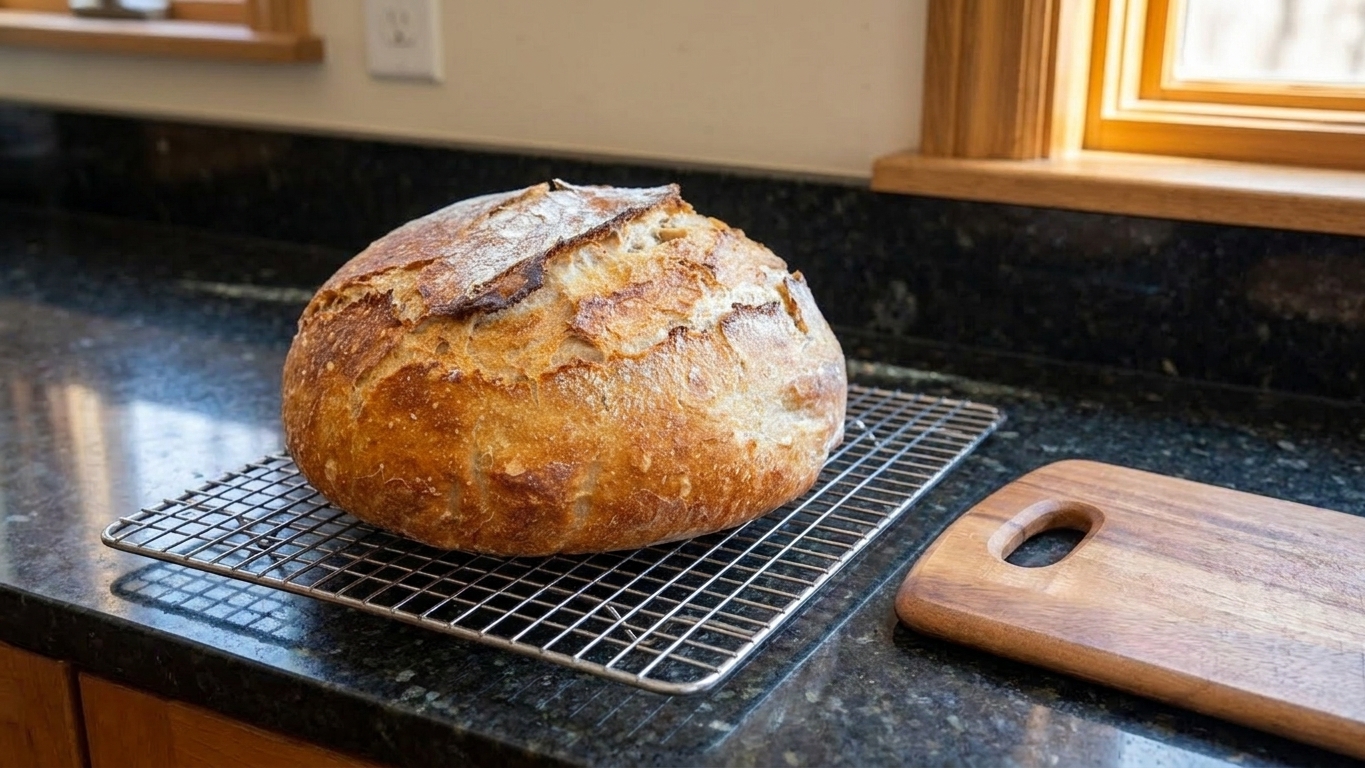
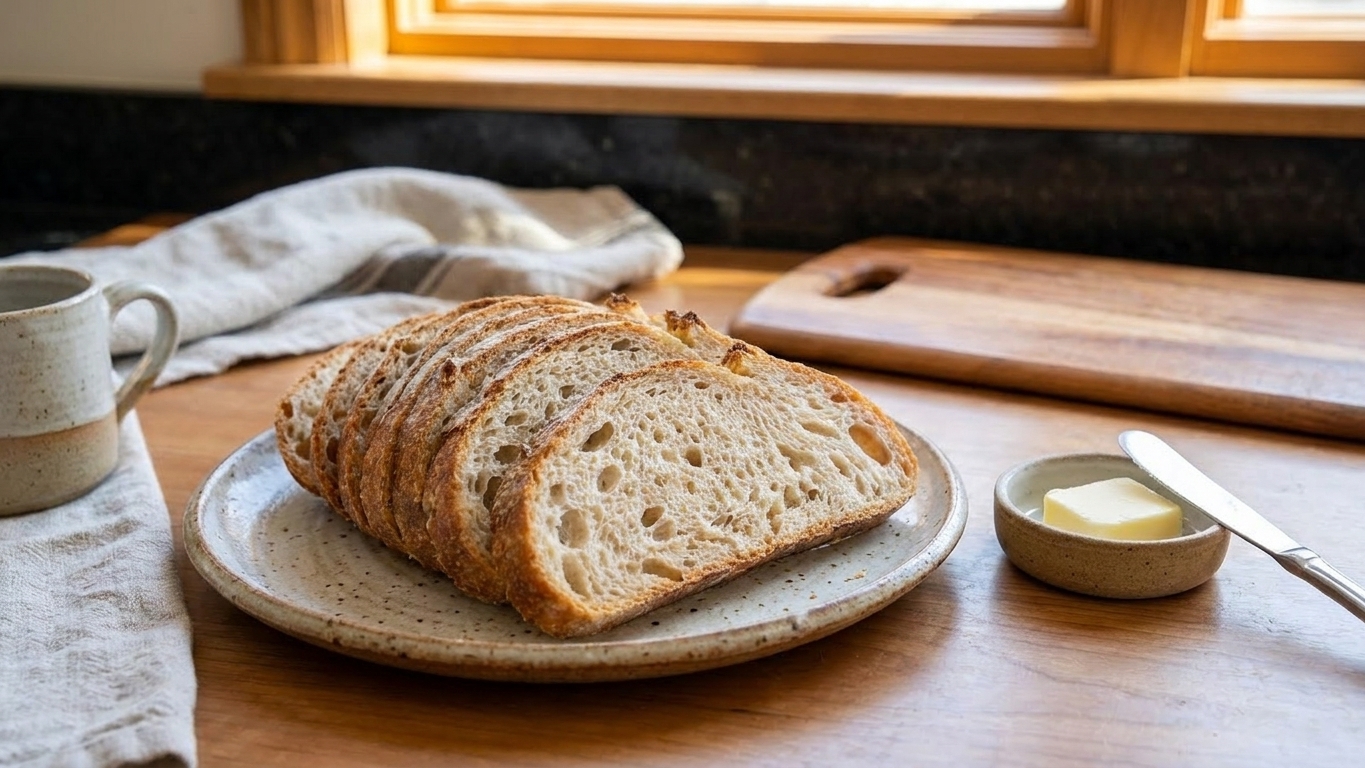
How do I know my starter is ready to bake with?
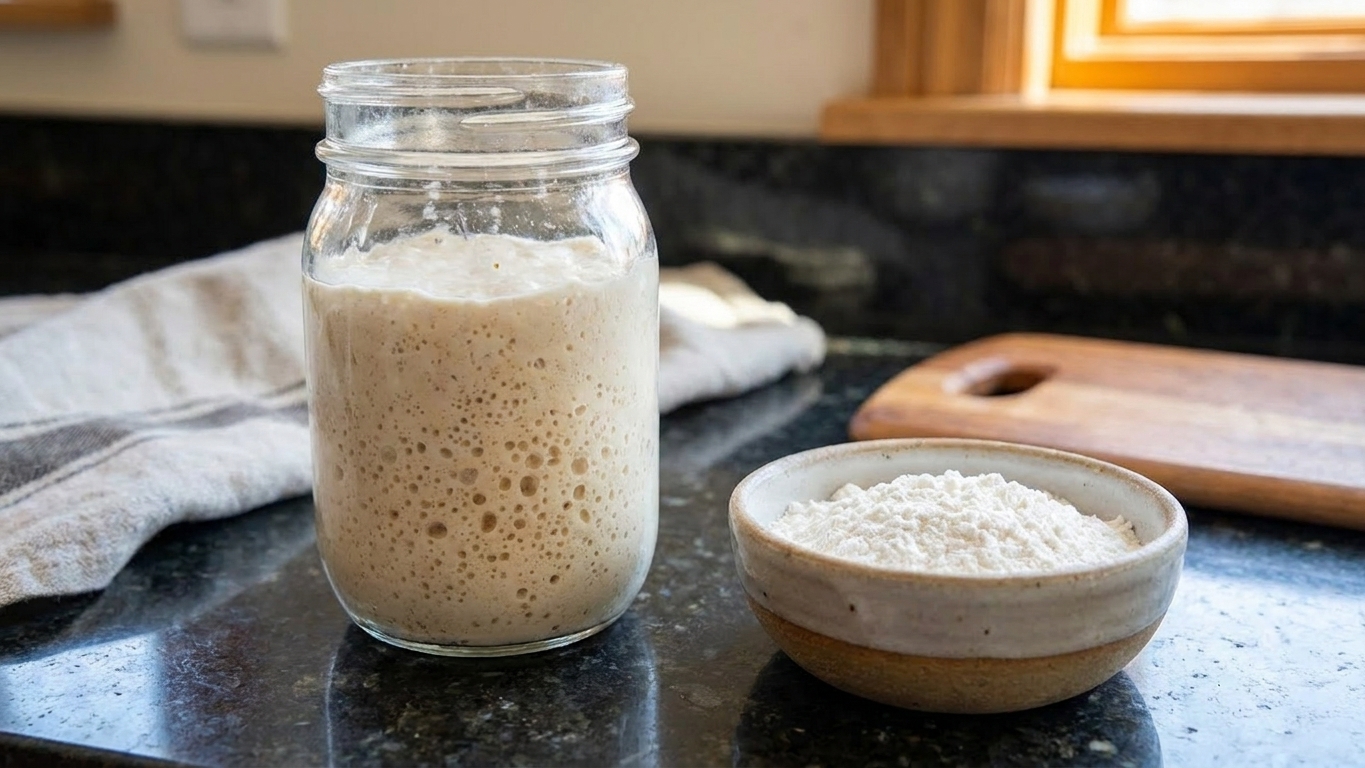
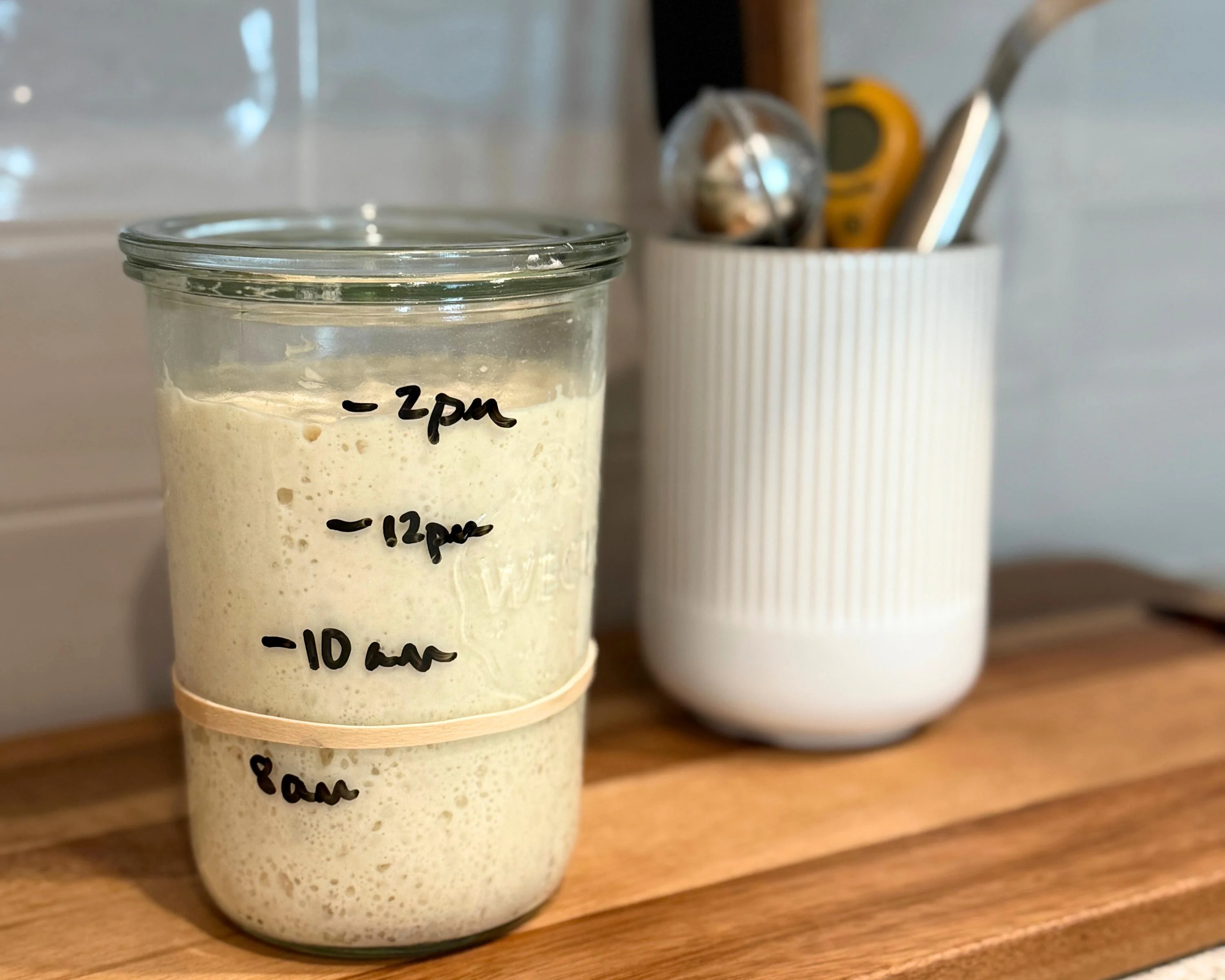
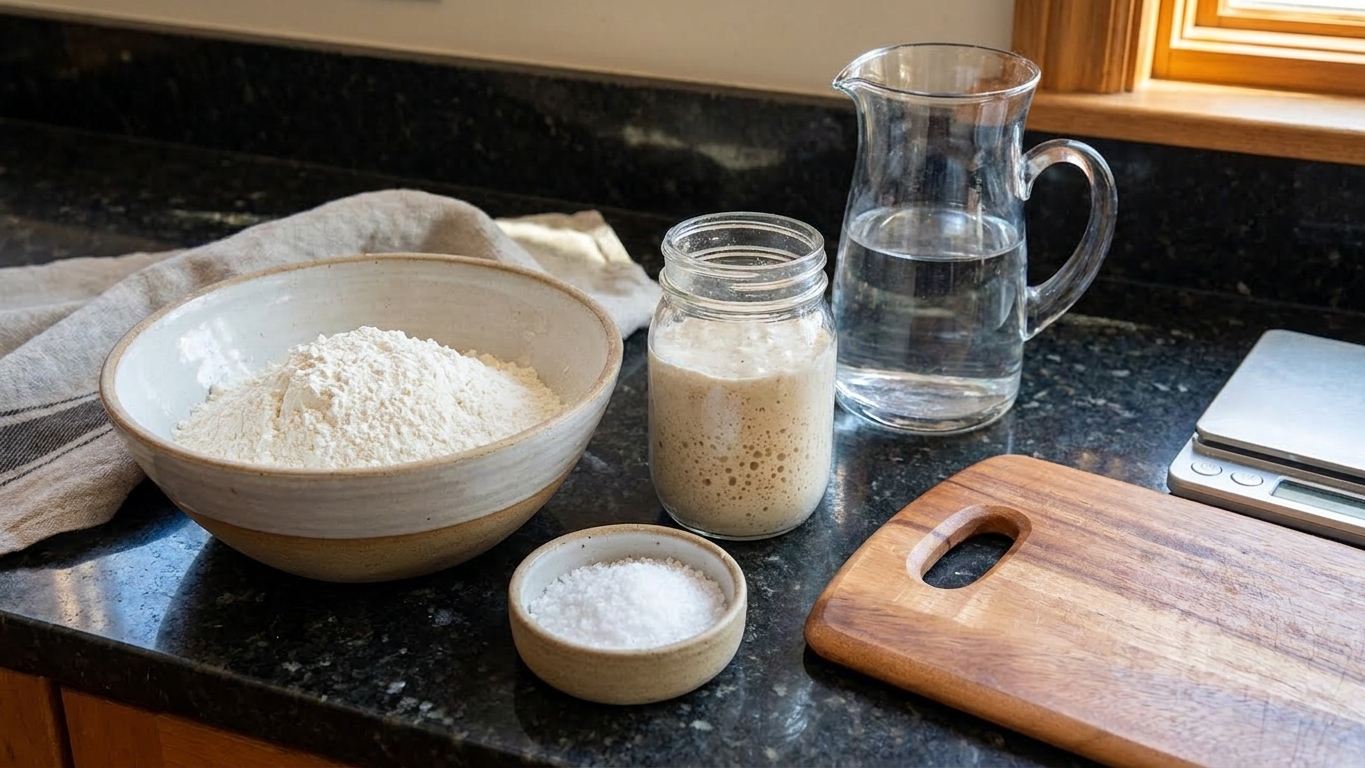
Your starter should be bubbly, smell pleasantly tangy, and ideally double in volume after feeding at your usual feeding ratio. In a reasonably warm kitchen (around 70 to 78°F), that is often about 4 to 8 hours, but it can be faster or slower depending on your flour, ratio (1:1:1 vs 1:2:2), and starter strength. If a spoonful floats in water, that can be a helpful hint, but bubbles and doubling are more reliable.
Do I have to use a Dutch oven?
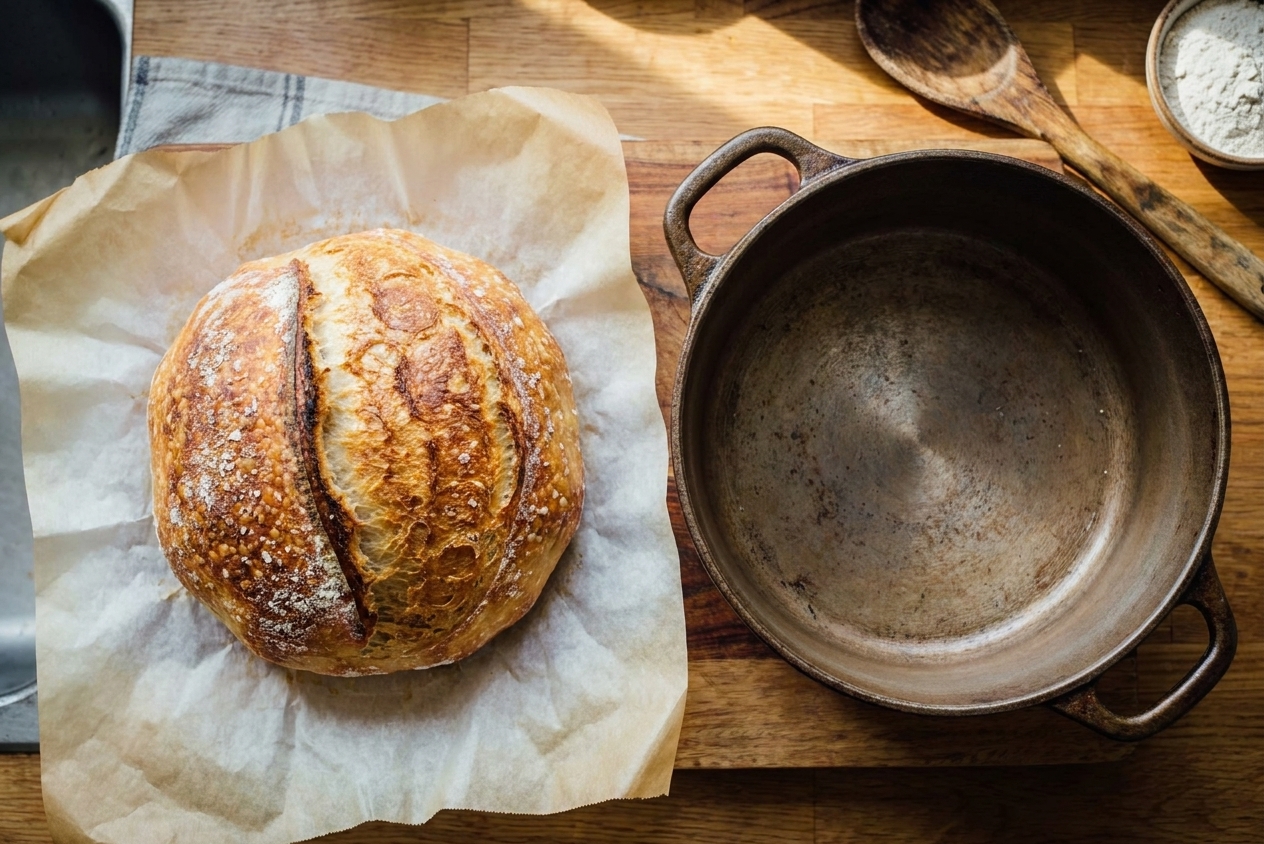
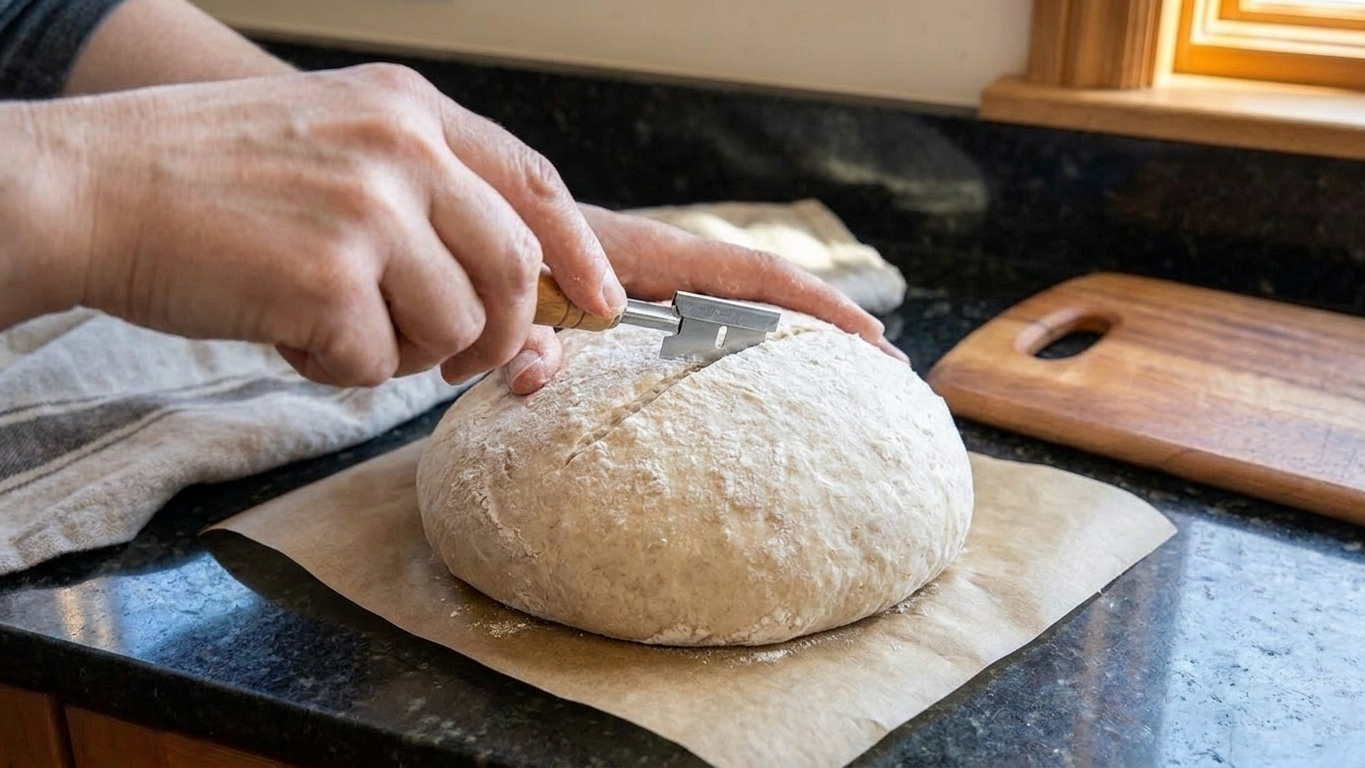
A Dutch oven is the easiest path to great crust because it traps steam. If you do not have one, bake on a preheated sheet pan or pizza stone and add steam by placing a sturdy metal pan on a lower rack. Preheat the pan too, then carefully pour in boiling water right after the bread goes in. Use oven mitts, keep your face back, and follow your oven manufacturer guidance, since some ovens do not love excess steam near heating elements or glass. Your crust may be slightly less dramatic, but still delicious.
Why is my dough sticky?
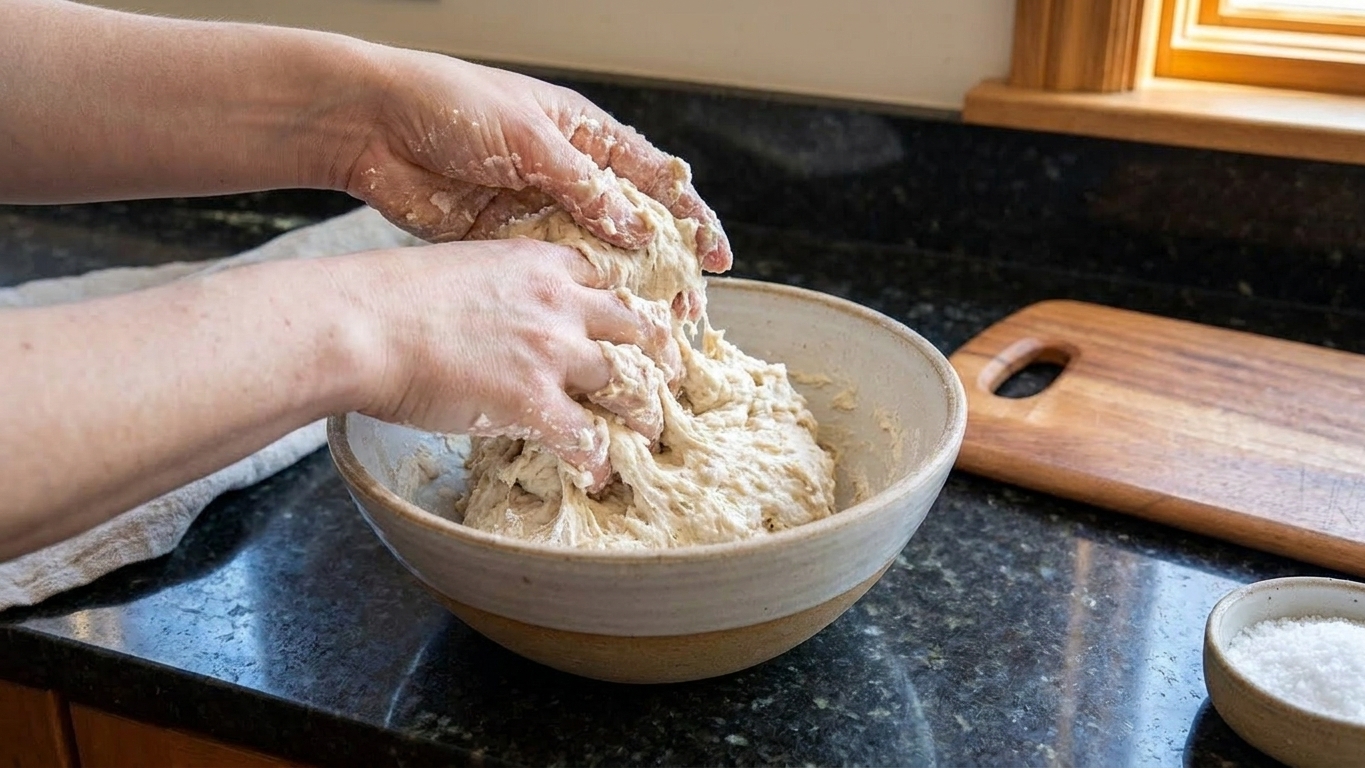
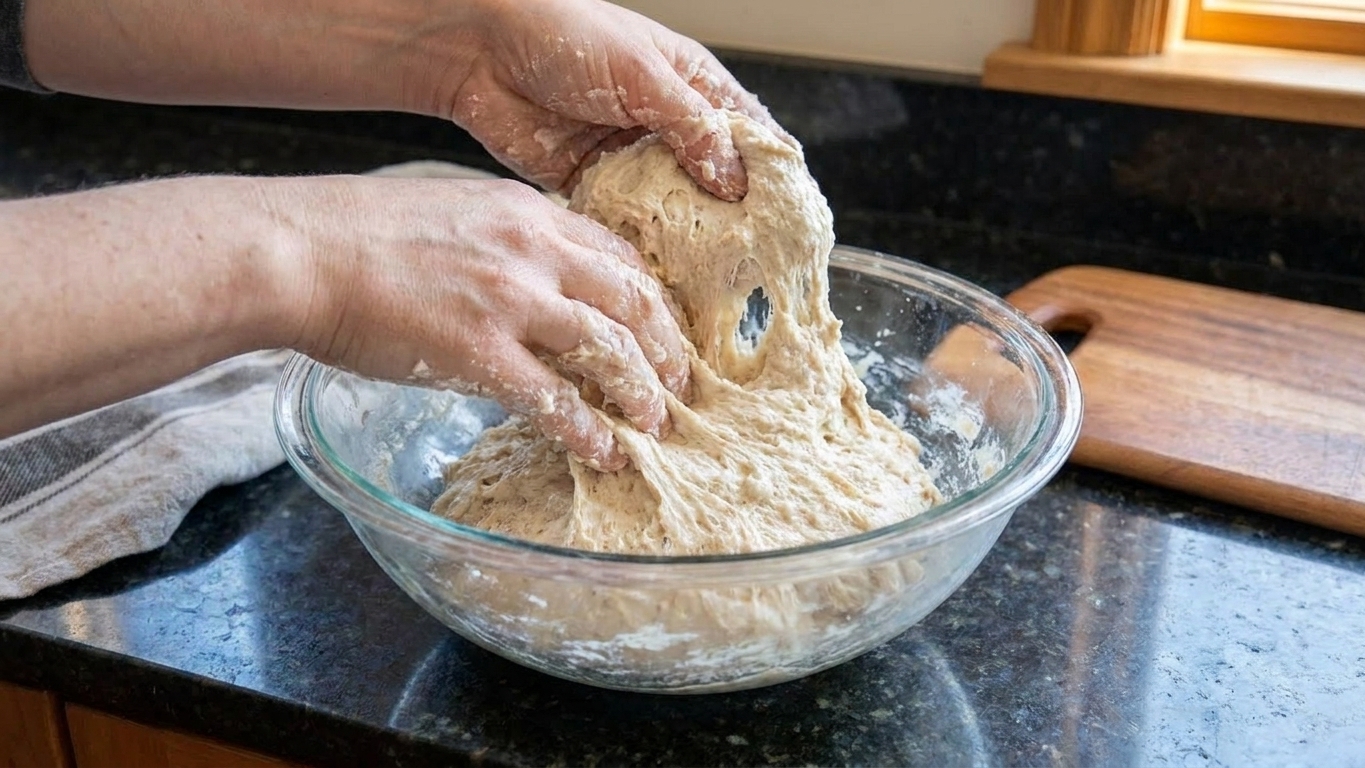
Sourdough dough is naturally tacky, especially at higher hydration. This loaf lands around 70% hydration (assuming your starter is 100% hydration), so it is expected to feel a little sticky early on. Give it time. The folds build structure, and the dough becomes smoother as gluten develops. Wet your hands for folding instead of adding lots of extra flour.
Why is my loaf dense?
Most common causes are: starter not active enough, bulk fermentation too short (dough did not rise enough), or the kitchen was cool and the dough needed more time. Let the dough rise until it looks puffier, shows bubbles at the edges, and jiggles slightly when you nudge the bowl, not just until the clock says so.
How can I tell if I overproofed it?
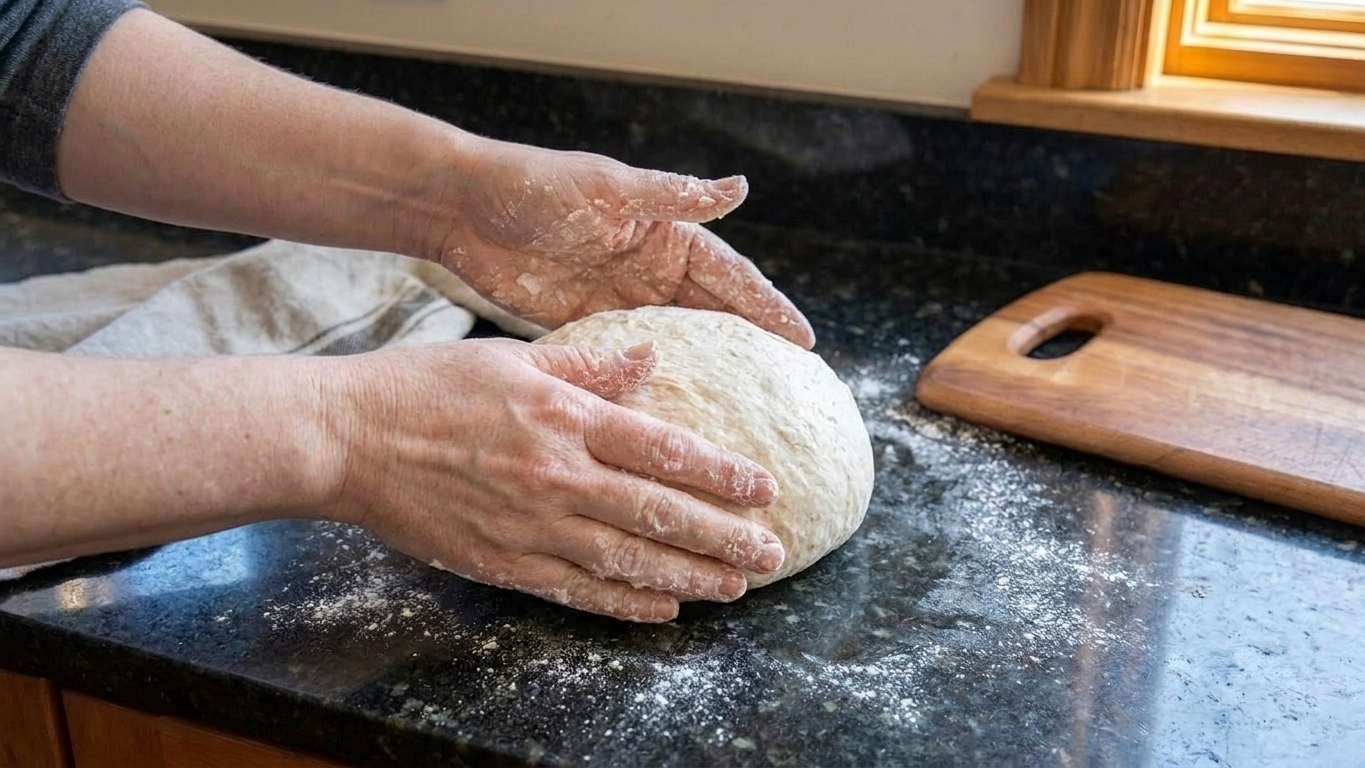
Overproofed dough often looks very slack and fragile, spreads out instead of holding shape, and may feel gassy but weak when you handle it. After baking, you may see less oven spring and a flatter loaf. Next time, shorten bulk a bit (or cool the dough sooner), and aim to shape while it still has some strength and a gently domed look.
Can I use whole wheat flour?
Yes. Start by swapping in 10 to 20% whole wheat flour and keep an eye on hydration since whole wheat absorbs more water.
Can I use all-purpose flour instead of bread flour?
You can, but the dough may feel softer and the loaf may spread a little more. Start by holding back 25 to 40 g of the water and add it only if the dough feels like it can take it.