Mom's Best Recipes
Recipe

Sourdough Hamburger Buns

Soft, lightly tangy sourdough buns with a tender crumb and golden top, ready for burger night with an easy same-day timeline.

Author By Pip
4.8
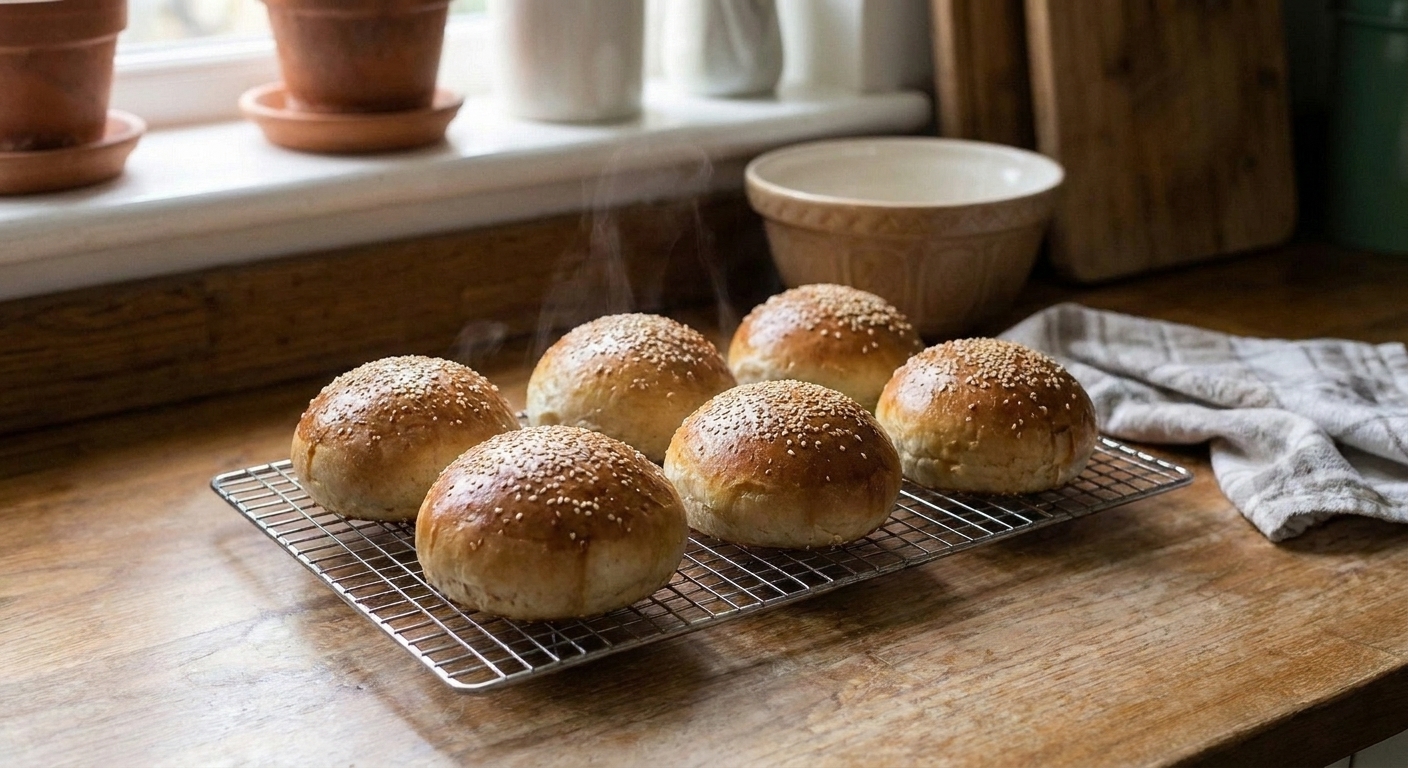
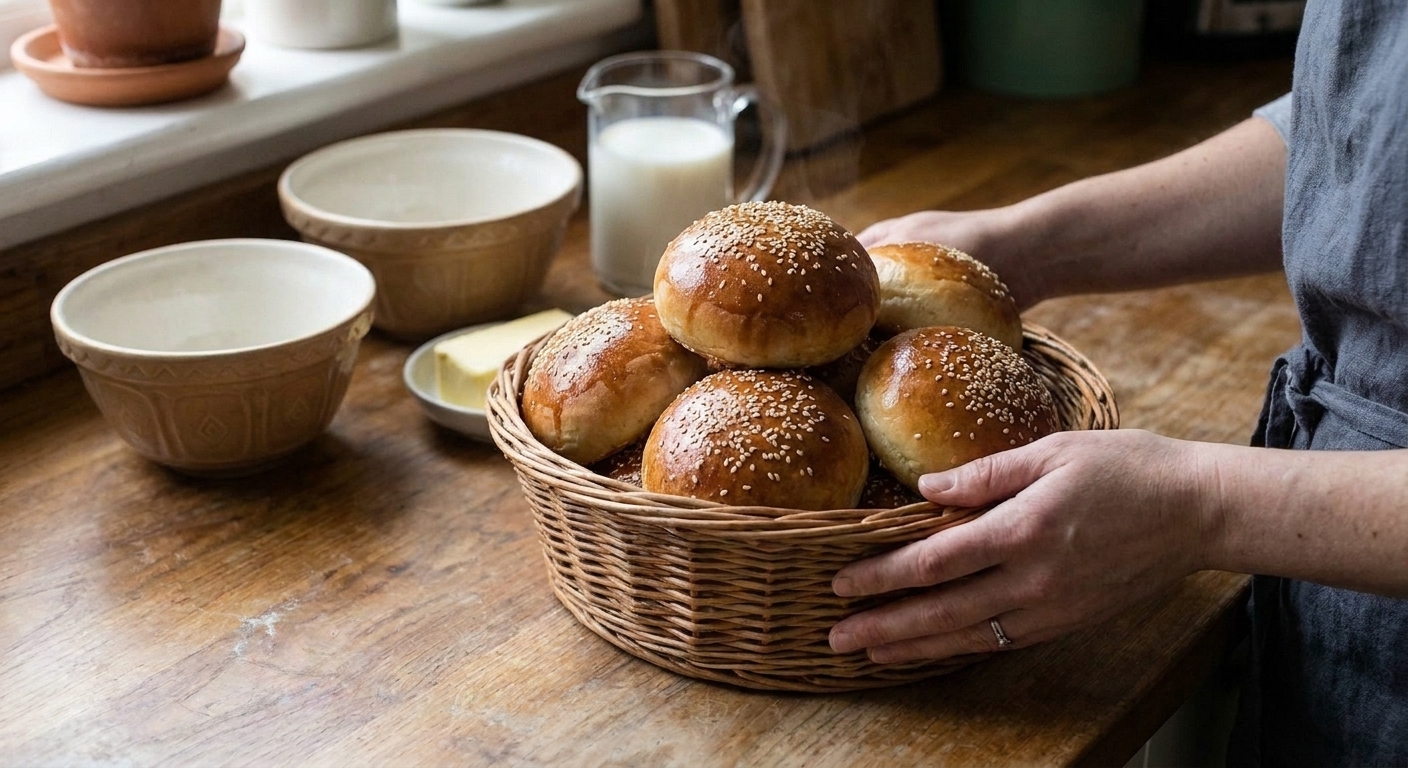
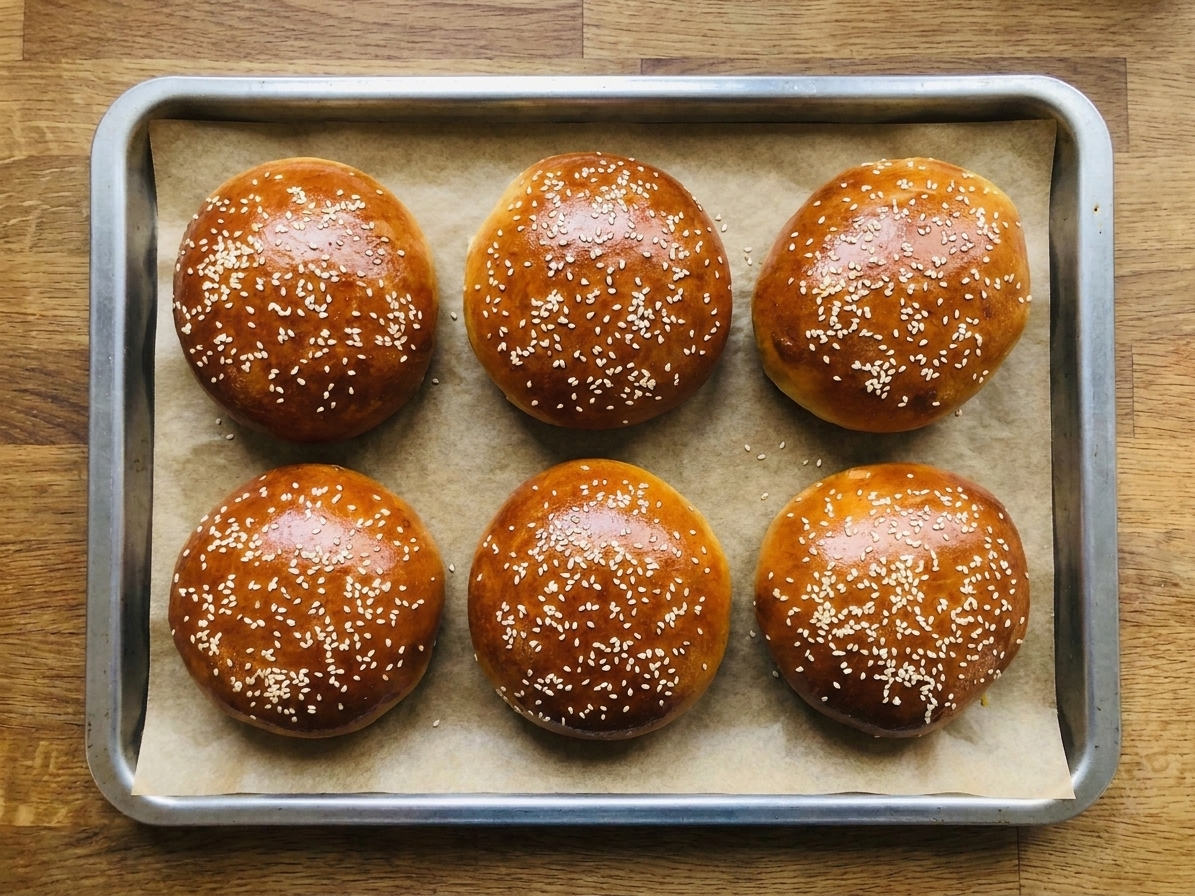
A basket of freshly baked sourdough hamburger buns with a glossy golden top and sesame seeds on a wooden table in a cozy kitchen

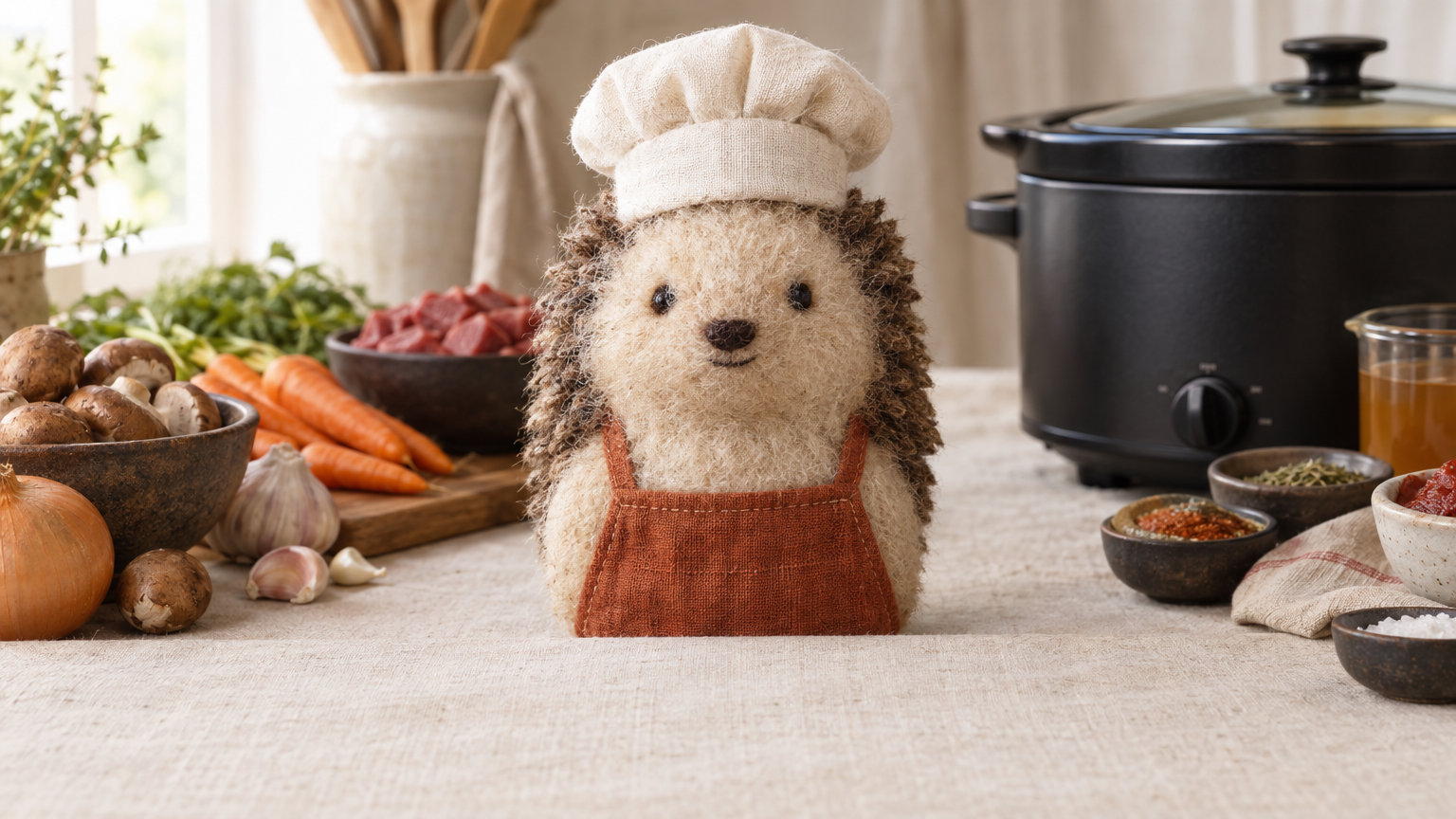
Pull up a chair. Our little hedgehog host is here to help you make sourdough hamburger buns that are pillowy inside, bronzed on top, and sturdy enough to hold a juicy burger without turning into a sad sponge.

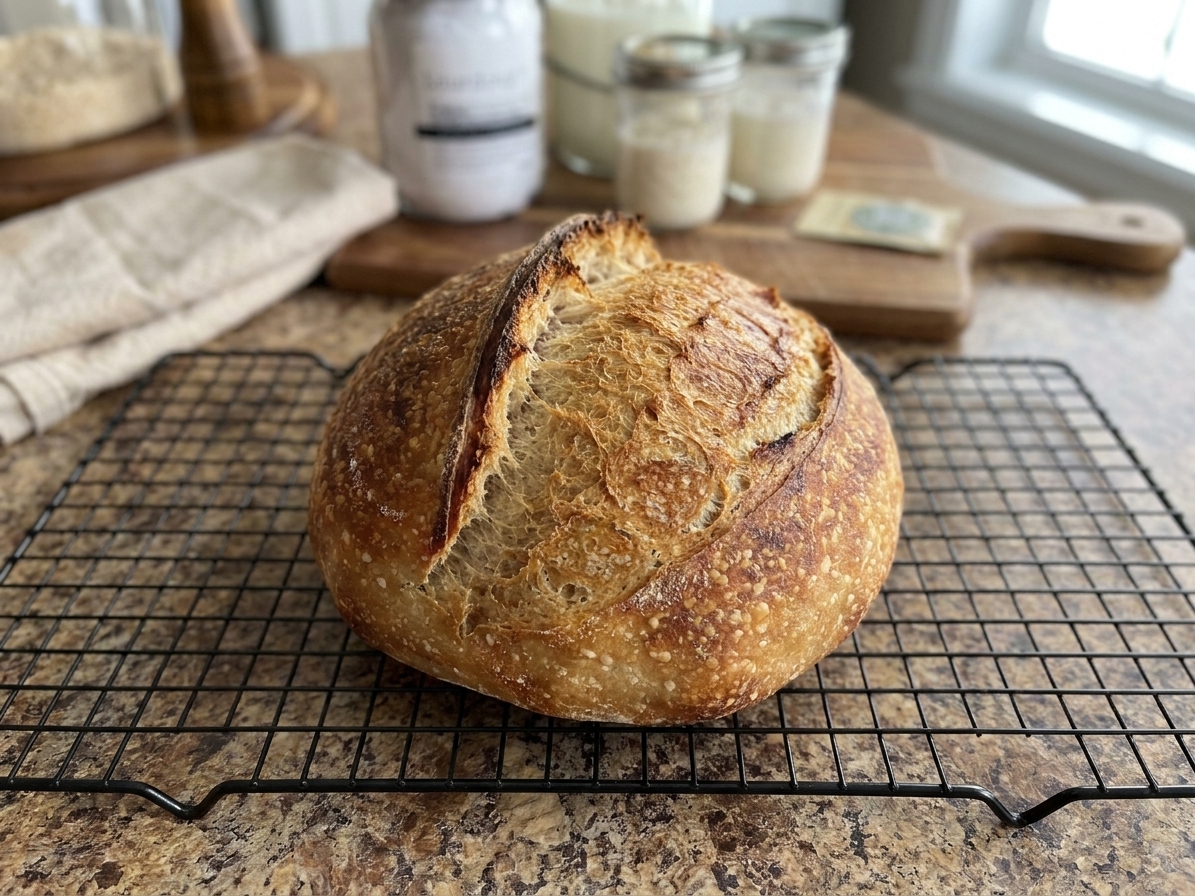
These buns are enriched (hello, butter and milk), which keeps the crumb tender and the crust soft. You can make them with active starter for maximum lift, or use sourdough discard plus a pinch of instant yeast when you want sourdough flavor on a tighter schedule.
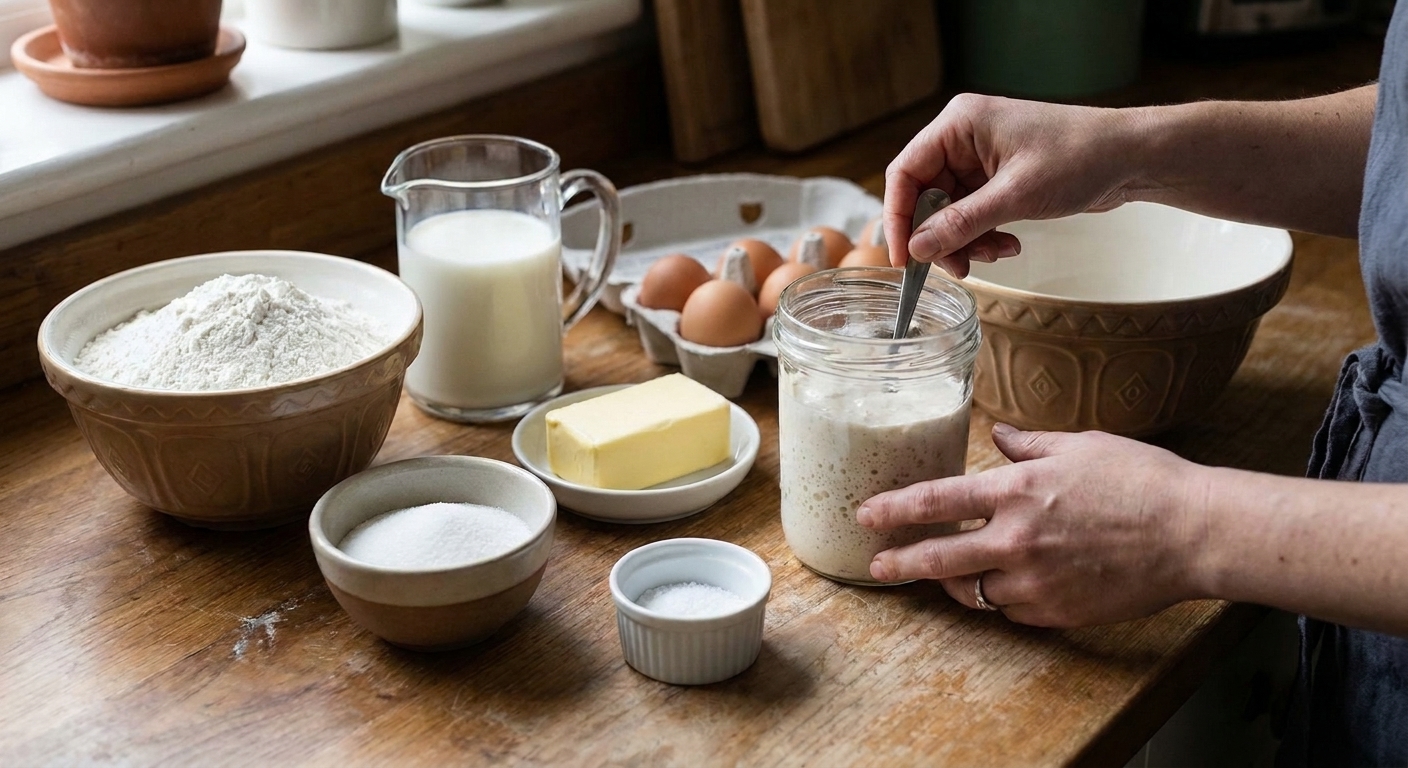
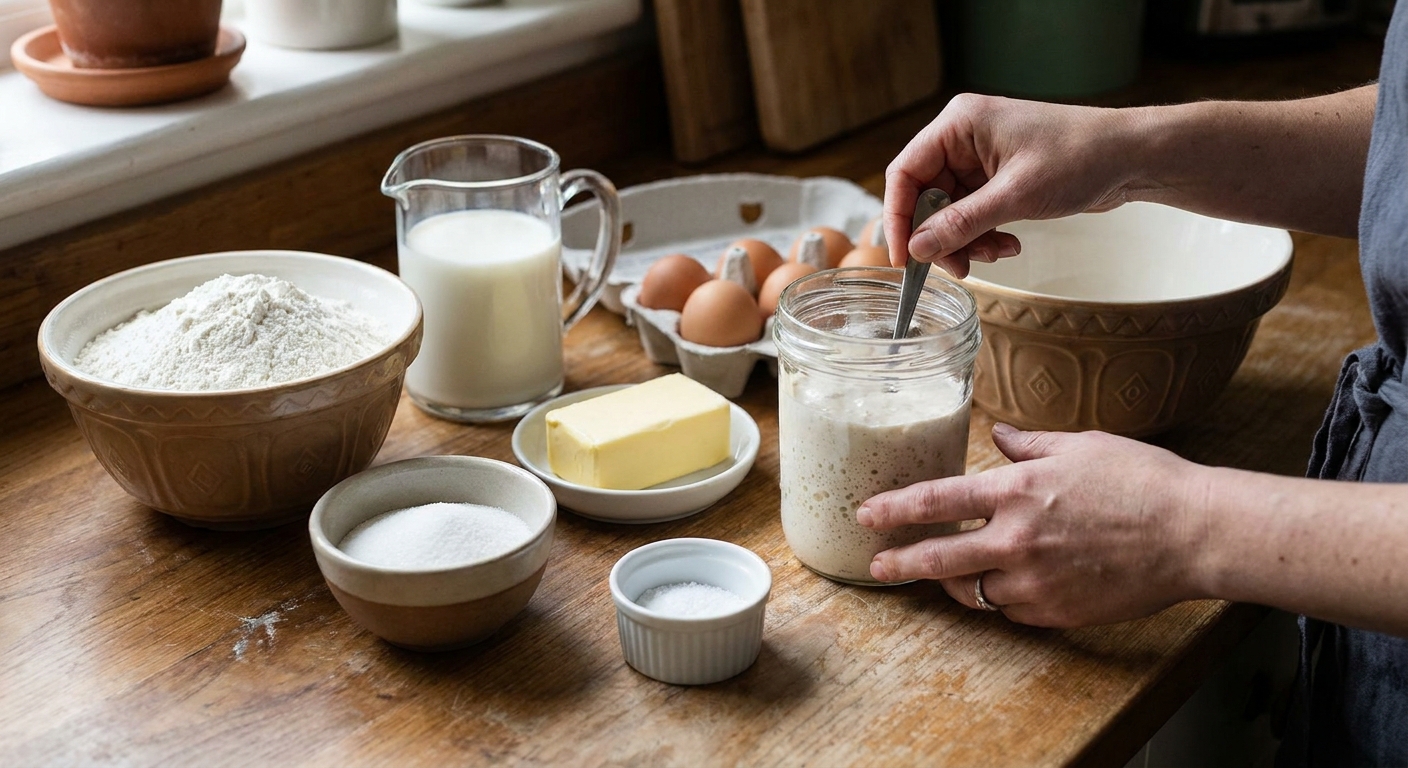
Flour, milk, eggs, butter, sugar, salt, and sourdough starter arranged neatly on a kitchen counter

Same-day timeline

If your starter is ready to work, here is a practical rhythm for the day. Dough always follows the thermostat, so watch the dough more than the clock.

  • 9:00 AM: Mix dough
  • 9:20 AM: Knead until smooth
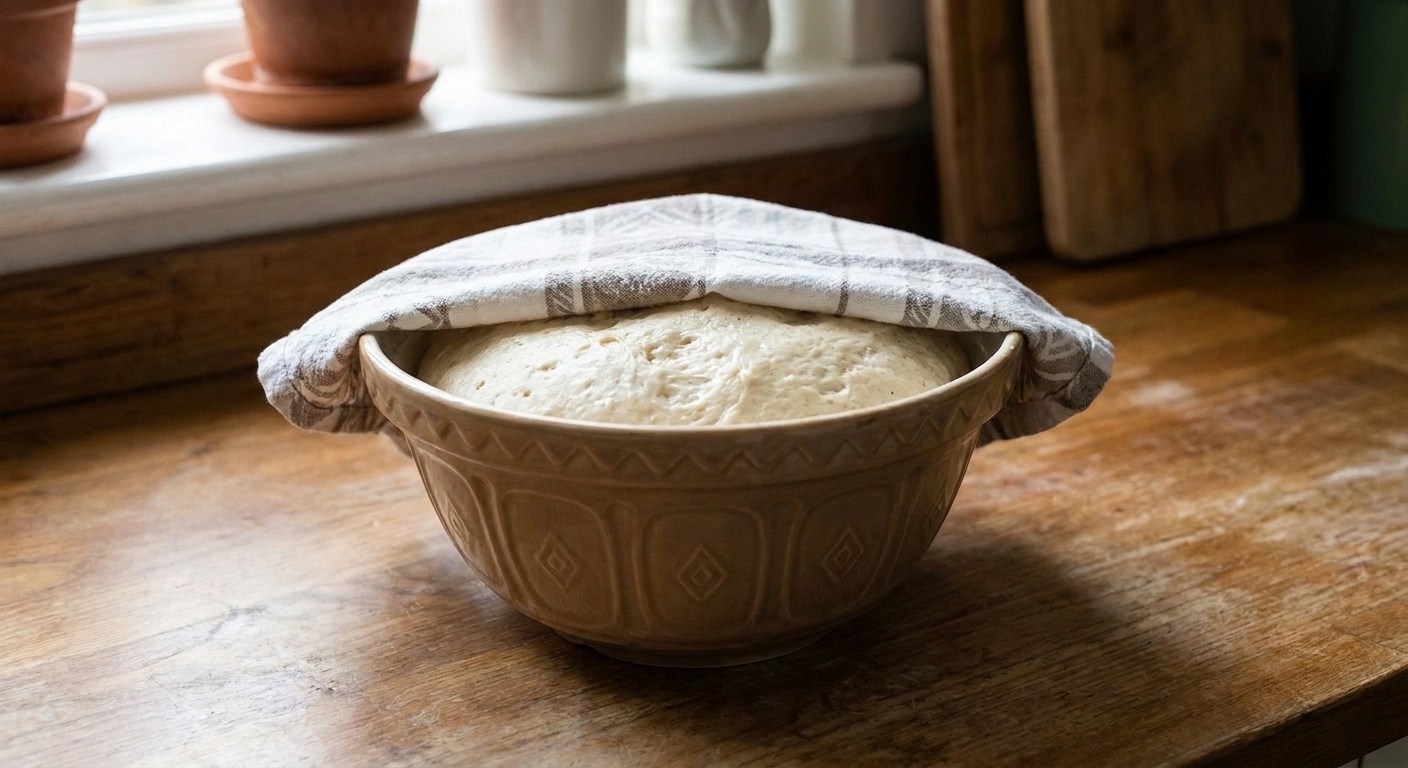
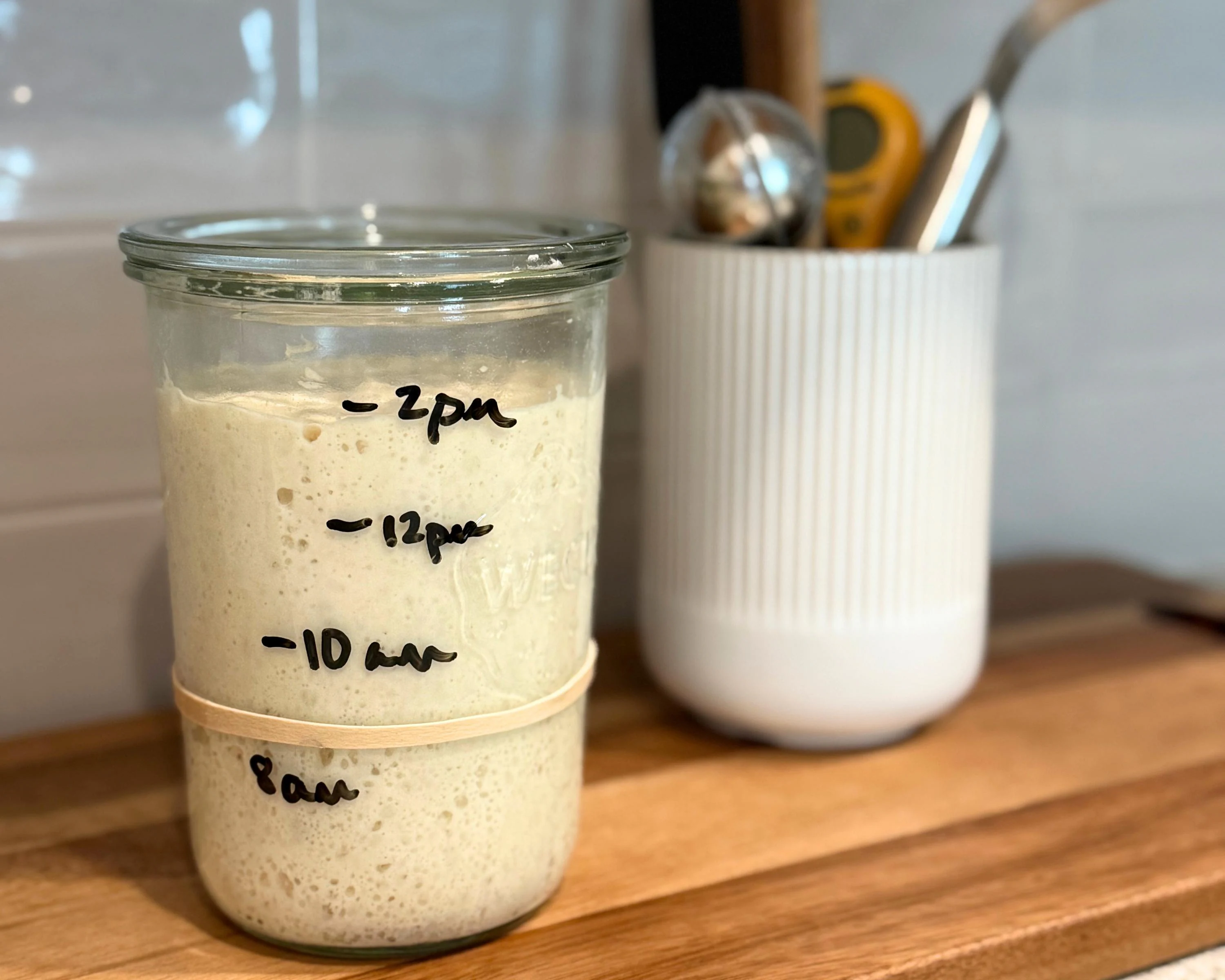
  • 9:30 AM to 1:30 PM: Bulk rise until puffy and about 50 to 75% larger
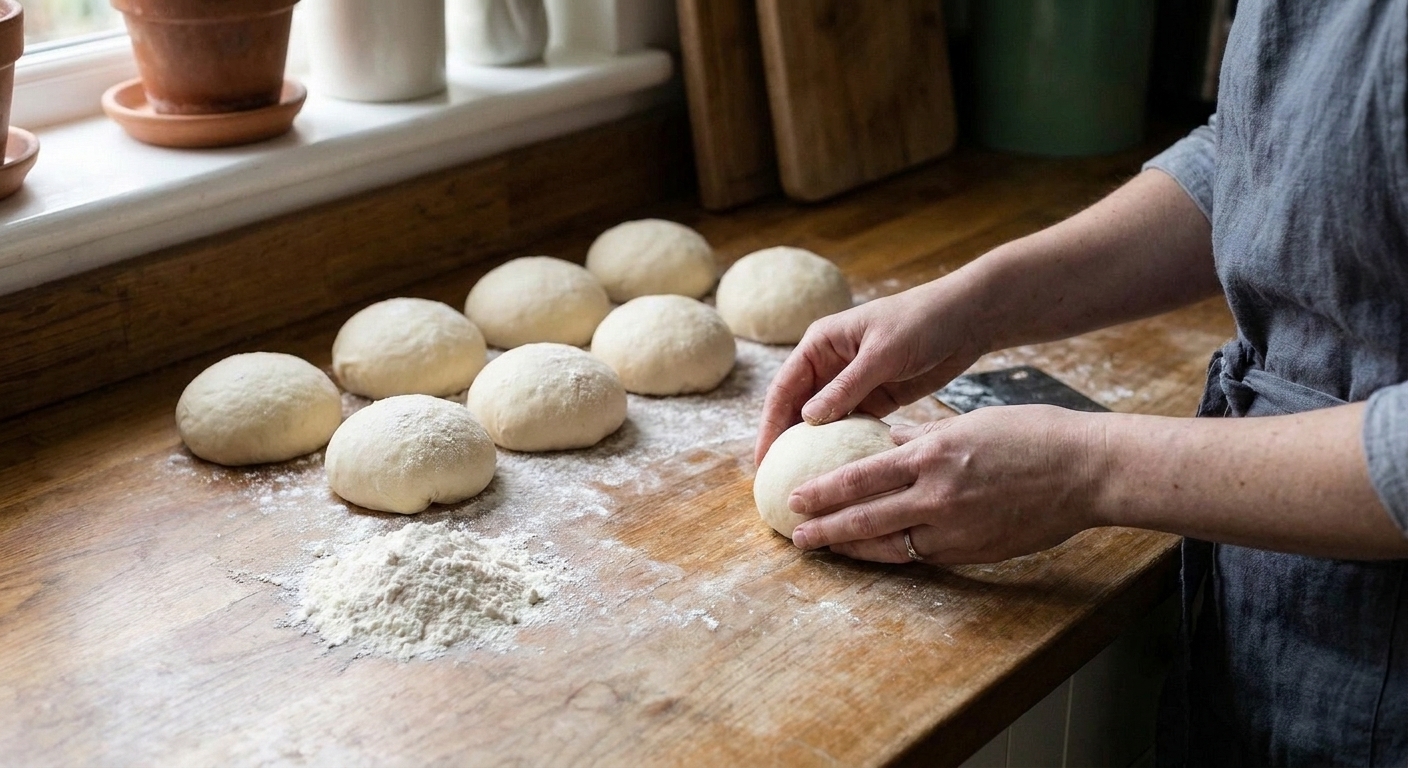
  • 1:40 PM: Divide and shape
  • 1:50 PM to 3:15 PM: Proof until noticeably puffy
  • 2:45 PM: Preheat oven (give it a good 30 minutes)
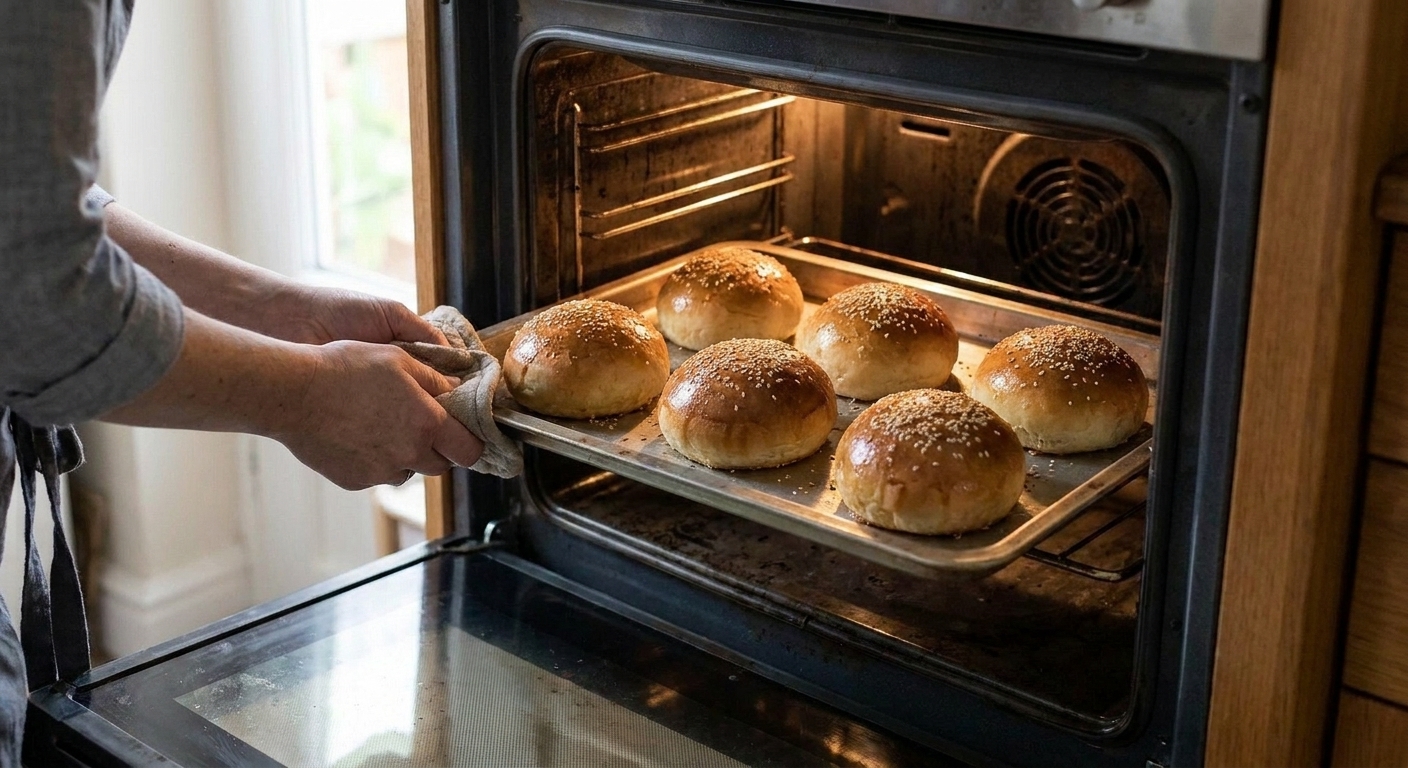
  • 3:20 PM: Egg wash, bake
  • 3:40 PM: Cool, then slice for burgers

Starter notes

Active starter: Use when it is bubbly and has recently peaked. It gives the most lift with the cleanest schedule.

Discard option: If your discard is unfed and sleepy, it can still bring flavor. For reliable same-day buns, add instant yeast. You get sourdough character without waiting all day for wild yeast to wake up and find its shoes.

Quick assumption: This recipe assumes starter is 100% hydration. If yours is different, let the dough texture be the boss.
Why It Works

  • Soft and tender: Milk, butter, and egg keep the crumb fluffy and sandwich-ready.
  • Golden, glossy tops: A quick egg wash gives that bakery finish.
  • Sturdy for burgers: This dough bakes up light but strong enough for sauces and juicy patties.
  • Flexible sourdough options: Make it with active starter, or use discard plus instant yeast for a dependable same-day rise.

Pairs Well With

Storage Tips

Room temperature: Cool completely, then store in a sealed bag or container for up to 2 days. For the softest buns, keep them out of the fridge. Refrigerators dry bread out faster than you can say “where did my bun go?”

Freeze: Slice buns in half once fully cool, then freeze in a zip-top bag for up to 2 months. Sliced buns thaw faster and toast beautifully.

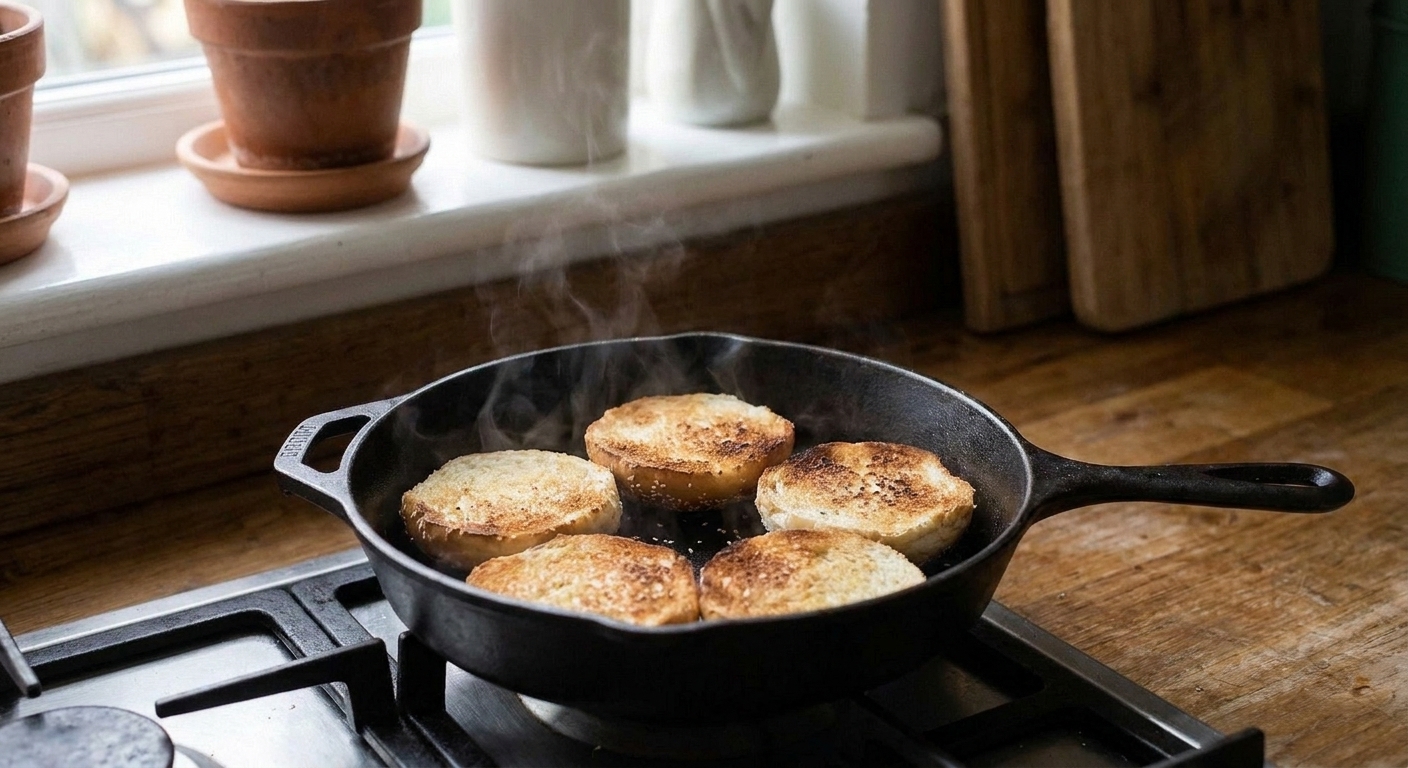
Reheat: Warm whole buns in a 300°F oven for 8 to 10 minutes, or toast cut sides until lightly crisp.

Make-ahead tip: If you want buns for tomorrow, bake today and freeze. Thaw on the counter, then toast right before serving.

Common Questions

Is the starter assumed to be 100% hydration?

Yes. This recipe assumes a 100% hydration starter (equal parts flour and water by weight). If your starter is stiffer or looser, the dough texture and timing can change. Use the feel cues: the dough should be soft and slightly tacky, not dry.

Can I make these with discard only and no yeast?

You can, but the timing becomes much less predictable, especially for a same-day bake. If you skip yeast, plan for a longer bulk rise and proof, often several extra hours depending on starter strength, dough temperature, and room temperature.

Why are my buns dense?

The usual culprits are underproofing, weak starter, or flour that needed a bit more liquid. Let the dough rise until it looks puffy and airy, not just “a little larger.” Also, knead until smooth and elastic so the dough can trap gas.

How do I know bulk fermentation is done?

Look for dough that is puffy, slightly domed, and expanded about 50 to 75%. It should feel lighter and jiggle a bit when you nudge the bowl.

Do I need an egg wash?

No, but it helps with color and that classic bun shine. If you skip it, brush buns with milk or melted butter before baking for a softer, lighter finish.

Can I make these into slider buns?

Yes. Divide into 12 to 16 pieces. Start checking for doneness a few minutes earlier since smaller buns bake faster.

What internal temperature should I aim for?

For softer buns, aim for about 190 to 195°F in the center. If you like a deeper bake and a firmer crumb, you can take them up to about 200°F.

How do I keep buns soft?

Do not overbake, and brush with melted butter right after baking. Cool completely before storing so steam does not turn the crust gummy.

Our little hedgehog host has a soft spot for burger nights because everyone gets to build their own masterpiece. The only problem is when the bun gives up halfway through and your burger starts doing a sloppy escape act. These sourdough buns are my favorite kind of fix: cozy, golden, and just sturdy enough to keep dinner in your hands where it belongs.