Mom's Best Recipes
Recipe

Sourdough Rye Bread

A hearty but not heavy rye loaf with sourdough tang, a crisp crust, and a soft, sliceable crumb that loves butter, soup, and sandwiches.

Author By Matt Campbell
4.8
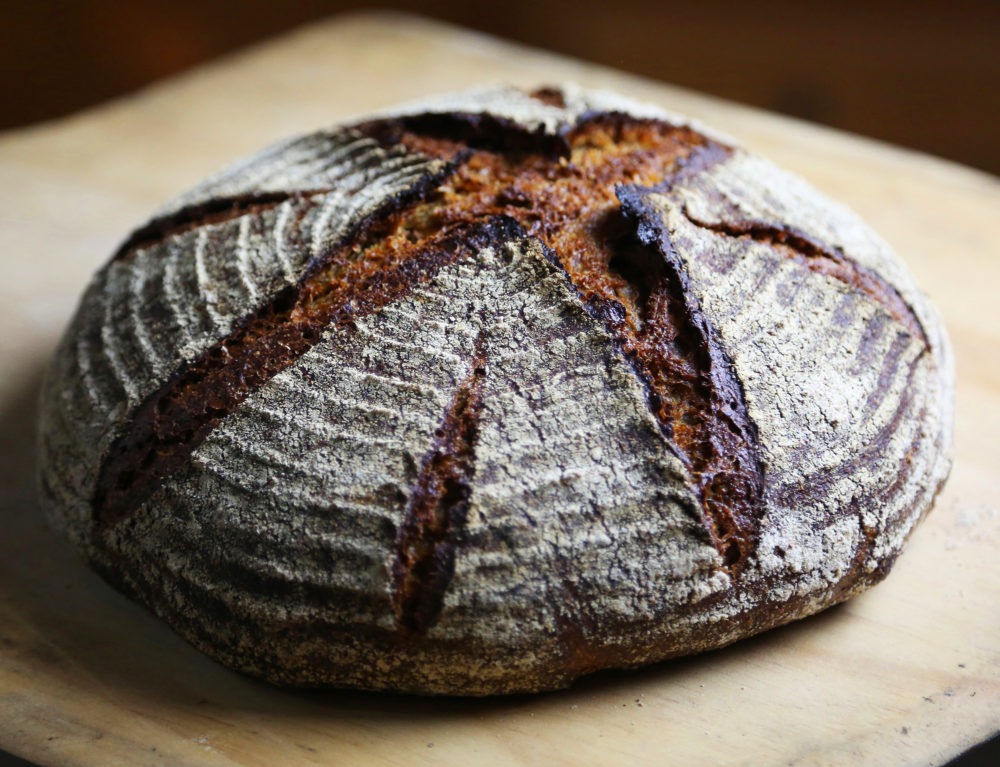
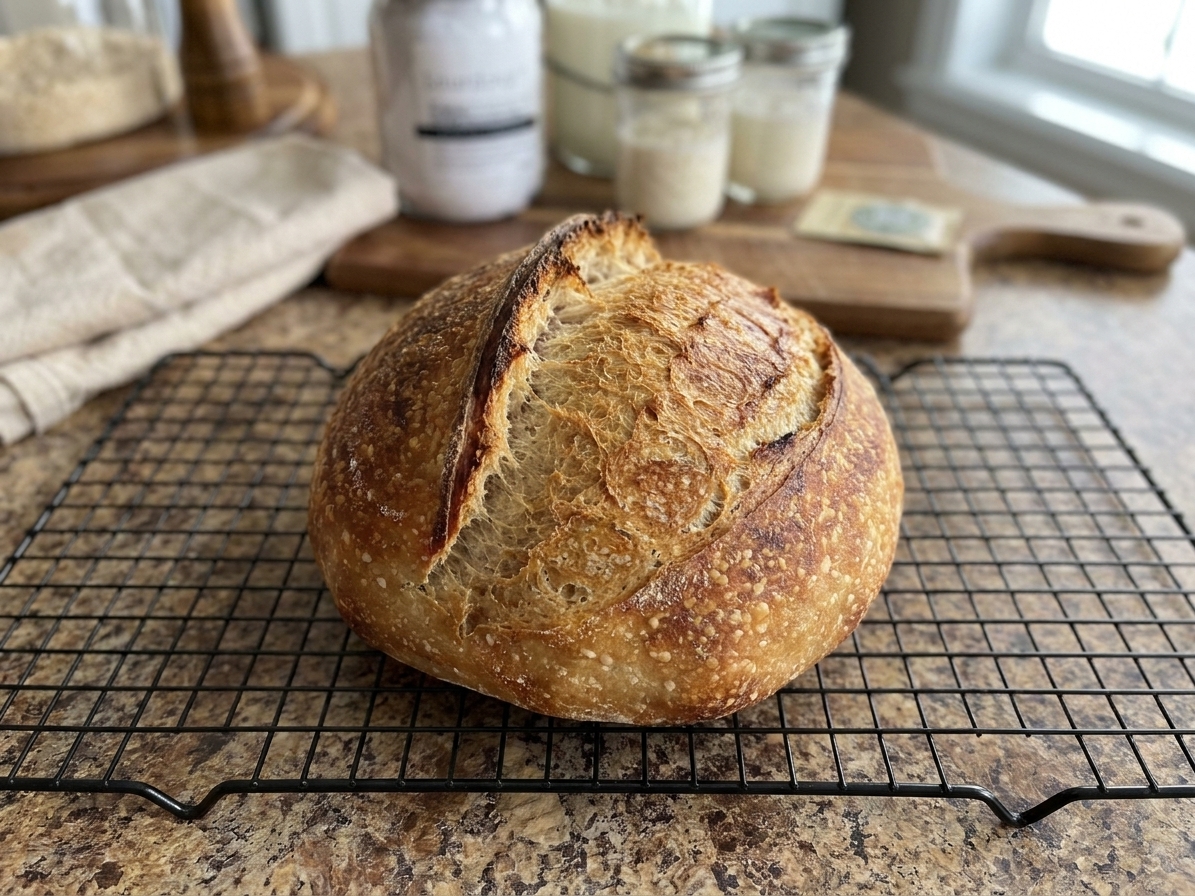
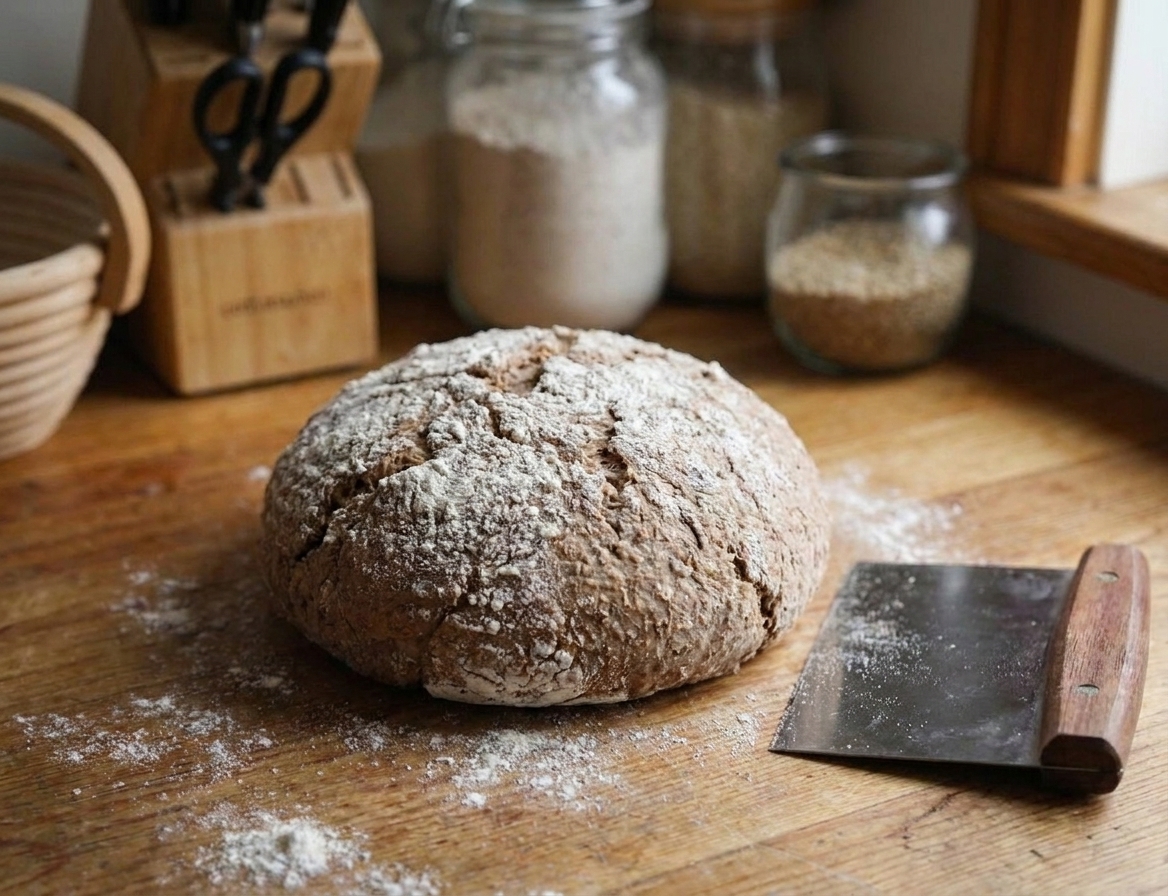
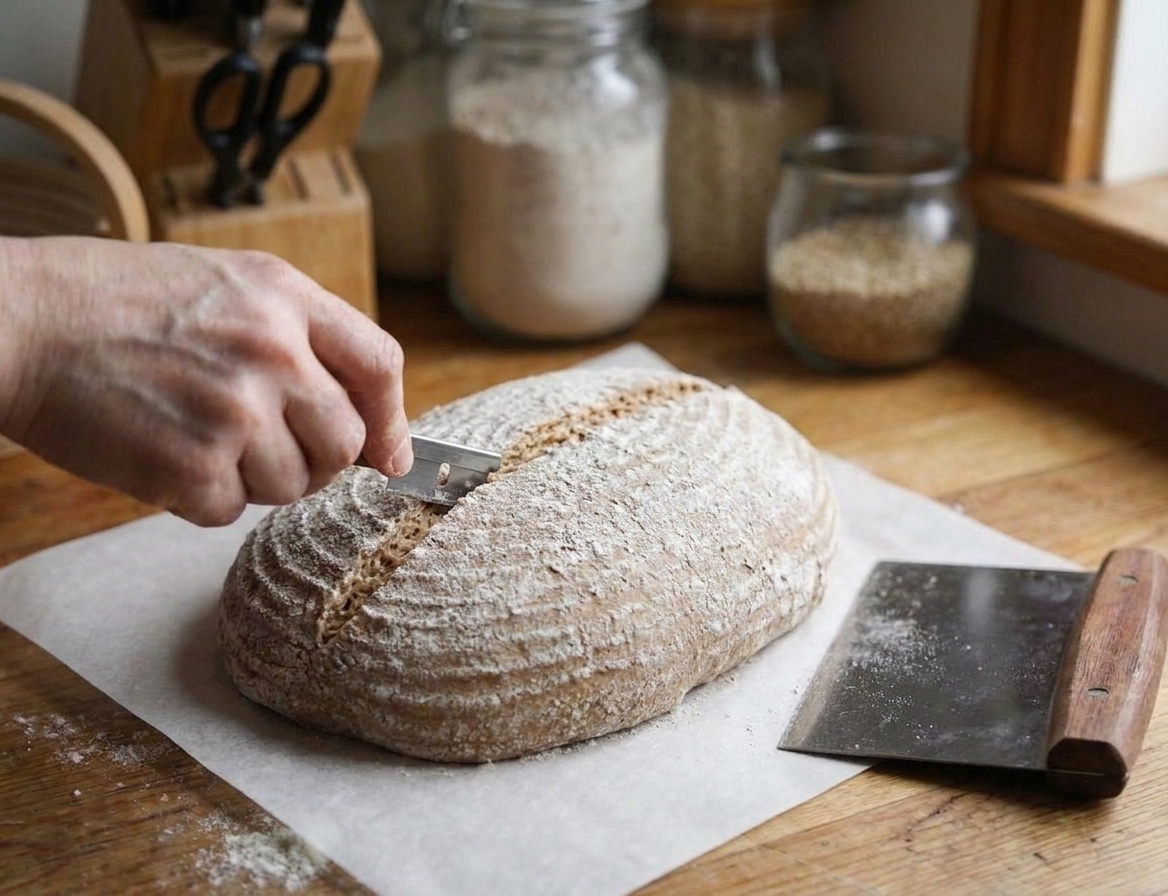
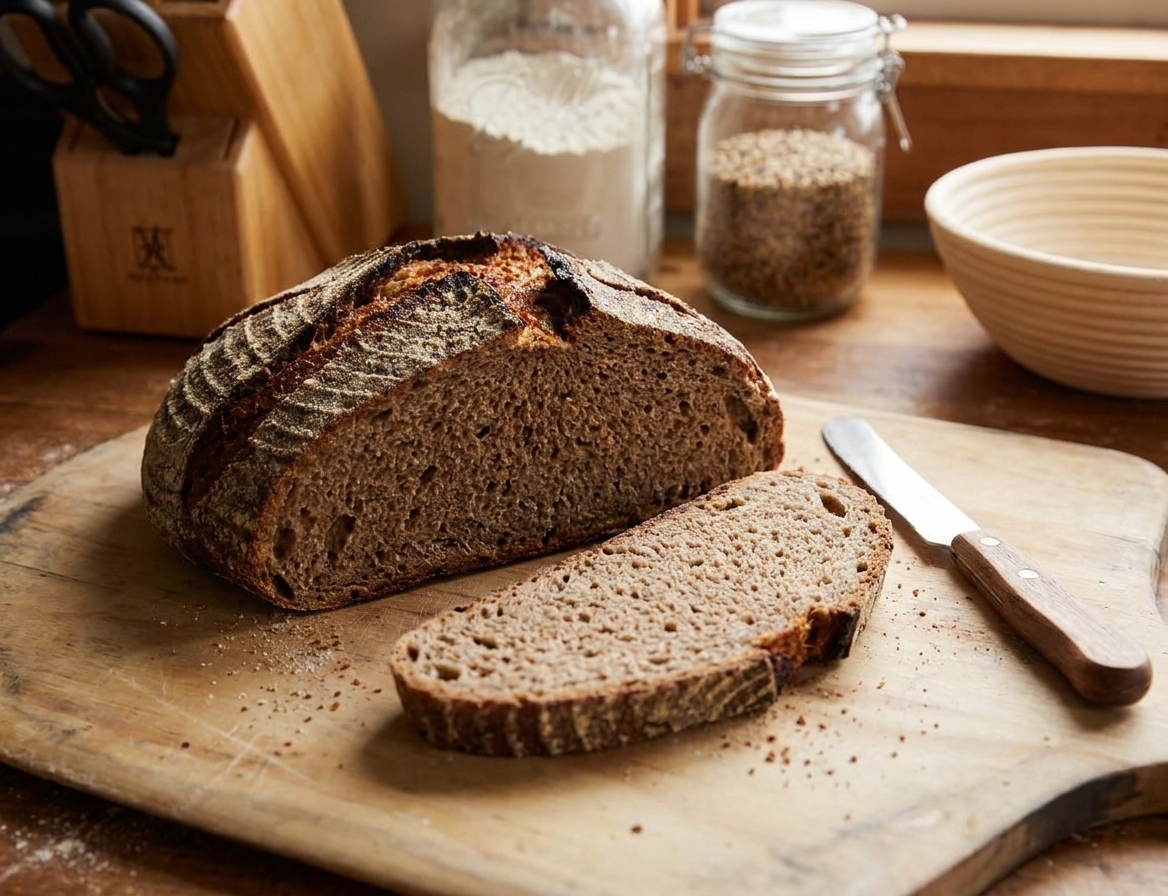
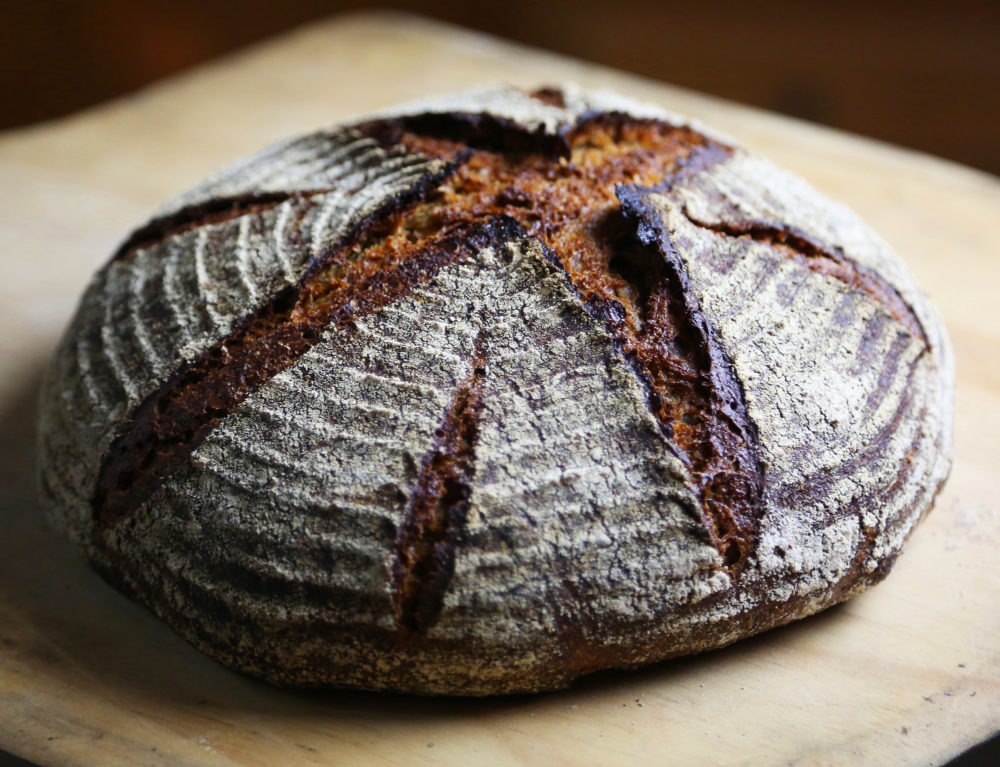
A freshly baked sourdough rye bread loaf with a deep brown crust and a single scored line, resting on a wooden cutting board on a warm kitchen counter

Sourdough rye bread is one of those bakes that feels wildly impressive, but it is actually very doable at home if you keep a couple of rye quirks in mind. Rye flour brings this earthy, lightly sweet flavor and a slightly tighter crumb, and sourdough gives it the kind of tang that makes you keep saying “just one more slice” as the loaf mysteriously gets smaller.

This recipe is built for real life. No specialty ingredients, no complicated add-ins, and no fussy shaping requirements. We are going for a loaf that slices cleanly for sandwiches, toasts like a dream, and holds up to soup without turning into a sad sponge.

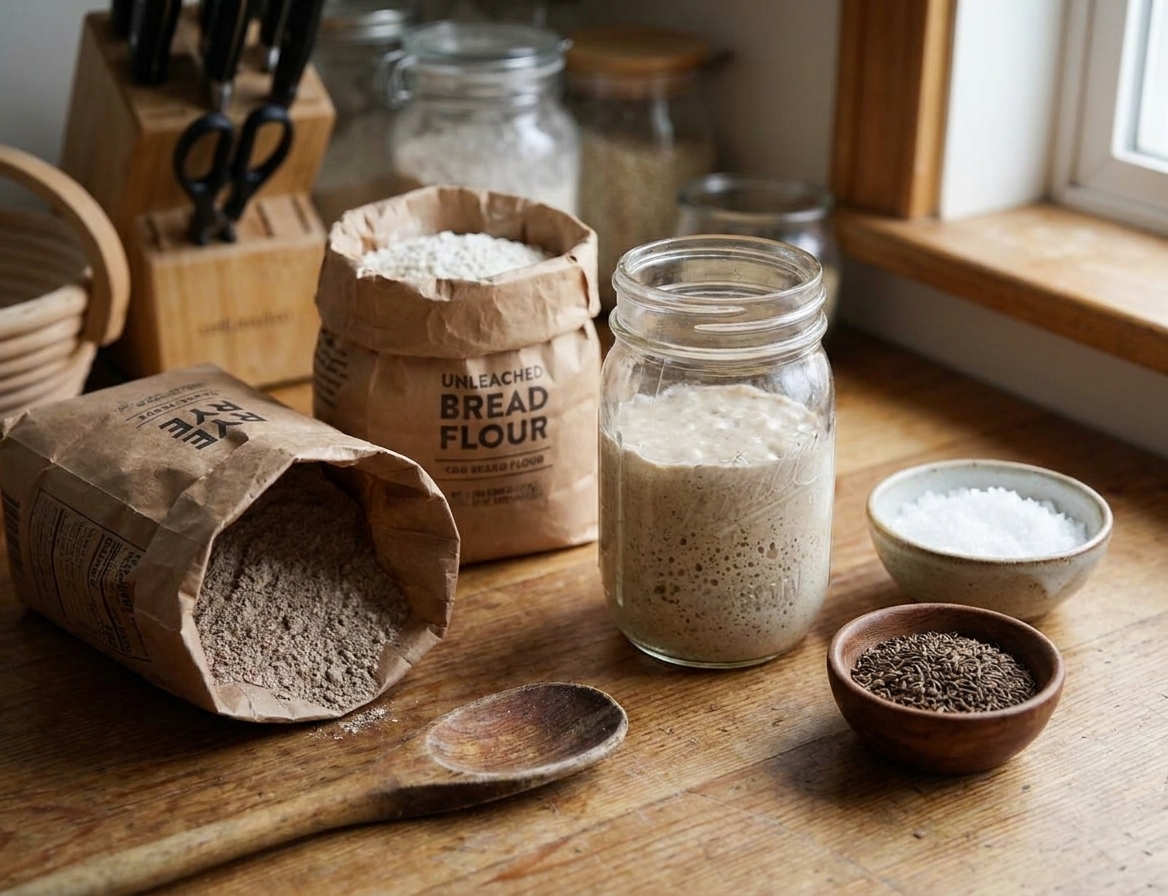
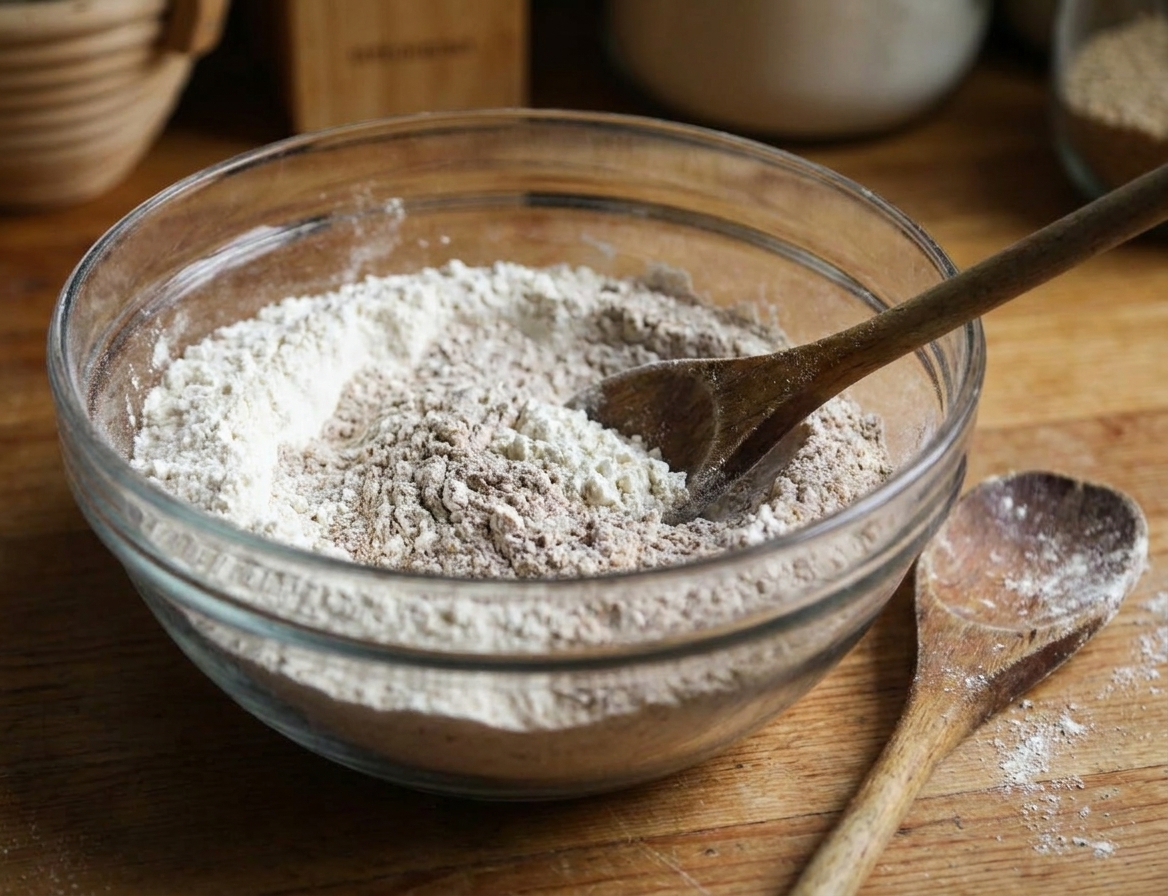
Rye flour, bread flour, a jar of bubbly sourdough starter, salt, and a small bowl of caraway seeds arranged on a clean kitchen counter

Why It Works

  • Balanced rye flavor: A mix of bread flour and rye flour gives you that classic rye aroma without a dense brick vibe.
  • Reliable fermentation: Sourdough does the lift and the flavor, and a touch of optional honey helps the loaf brown beautifully.
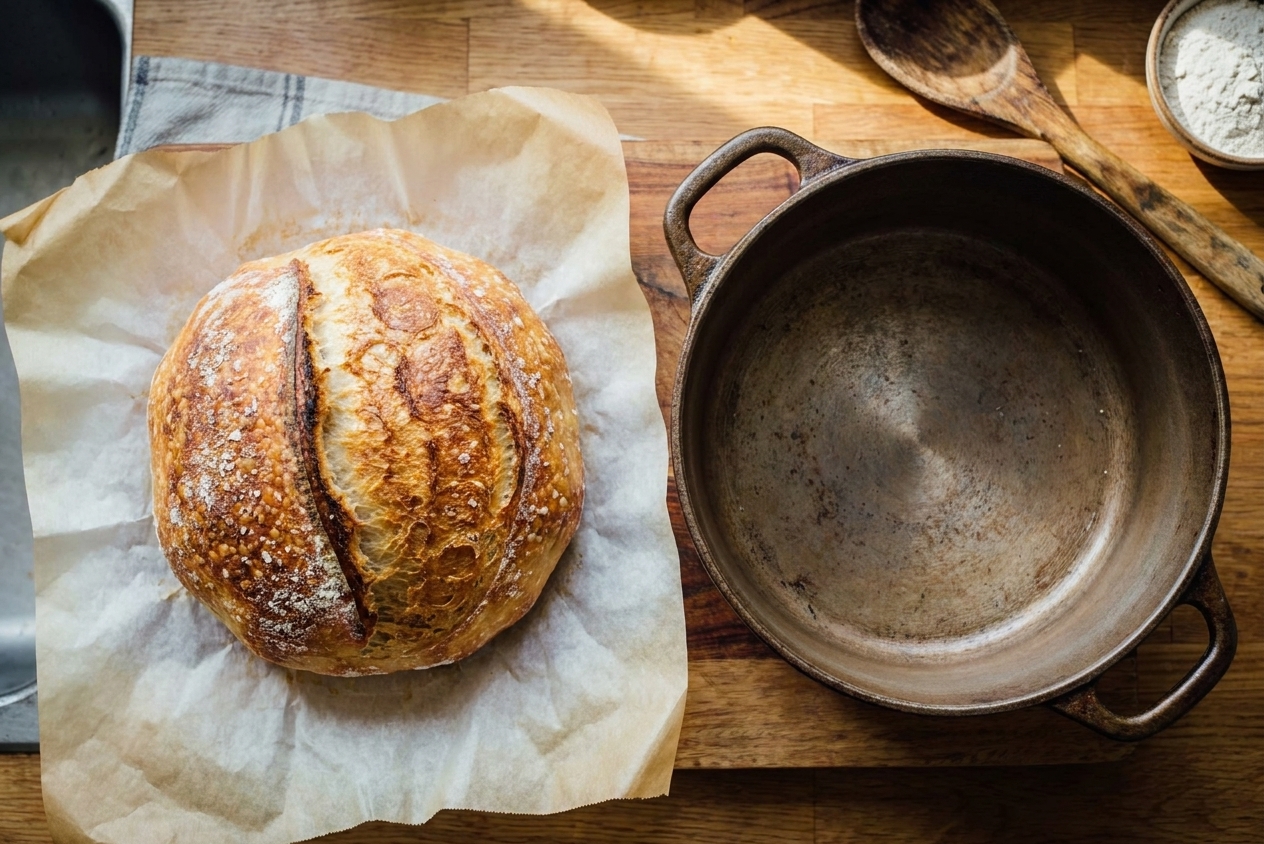
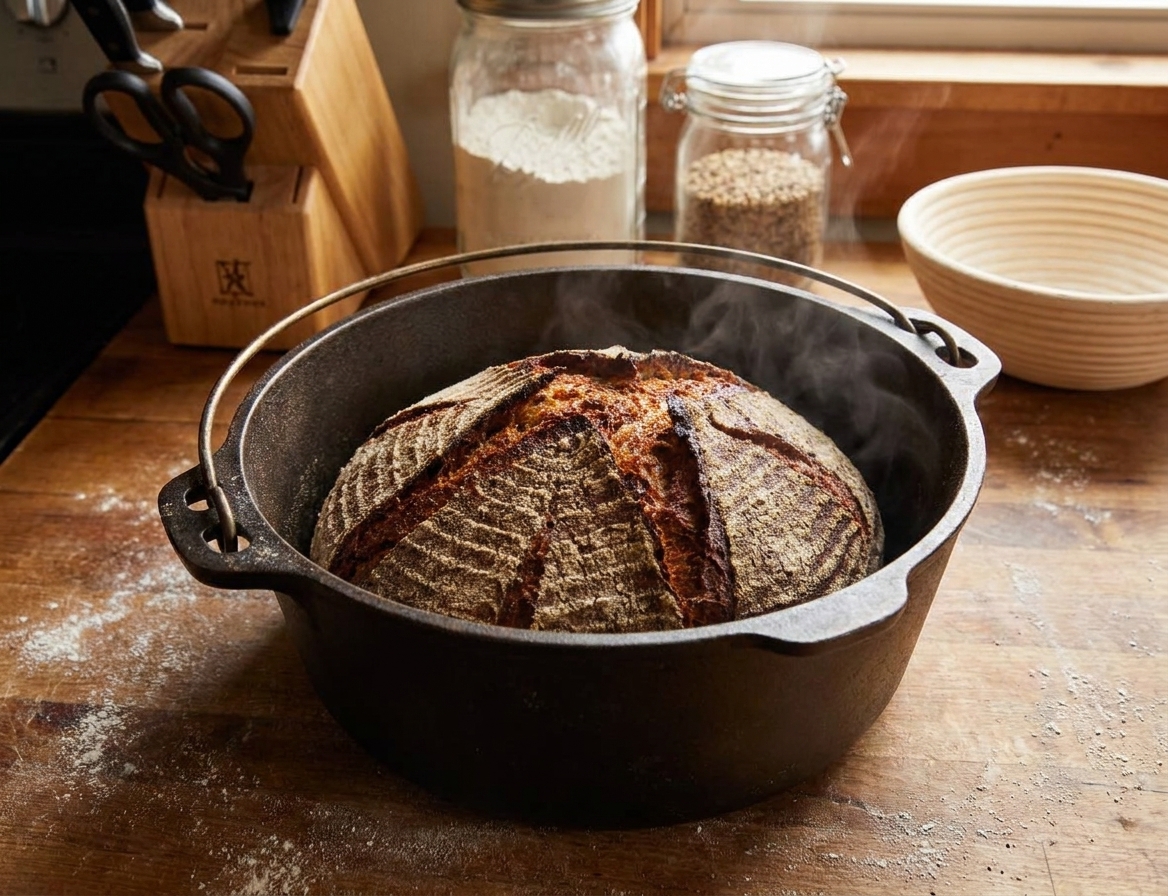
  • Crisp crust, tender crumb: Steam at the start of the bake plus a hot Dutch oven gets you that crackly, bakery-style crust.
  • Sliceable for everyday: This loaf is sturdy enough for sandwiches and still cozy enough for butter and flaky salt.

Pairs Well With

Storage Tips

Day 1 and 2: Keep the loaf cut-side down on a cutting board, or wrap it loosely in a clean towel. Rye breads stay pleasantly moist, so you do not need to over-wrap it.

After day 2: Move it to a paper bag inside a loosely closed plastic bag, or a bread box. The paper helps prevent a rubbery crust.

Freeze for later: Slice the cooled loaf, then freeze slices in a zip-top bag. Toast straight from frozen. It comes back like it never left.

Revive a tired loaf: Spritz the crust lightly with water and warm in a 350°F oven for 8 to 12 minutes. Let it cool 10 minutes before slicing so the crumb sets back up.

Common Questions

Do I need a rye sourdough starter?

Nope. A regular active wheat-based sourdough starter works great. The rye flour in the dough brings the flavor. If you maintain a rye starter, it can ferment a little faster, depending on how lively it is.

What kind of starter does this recipe assume?

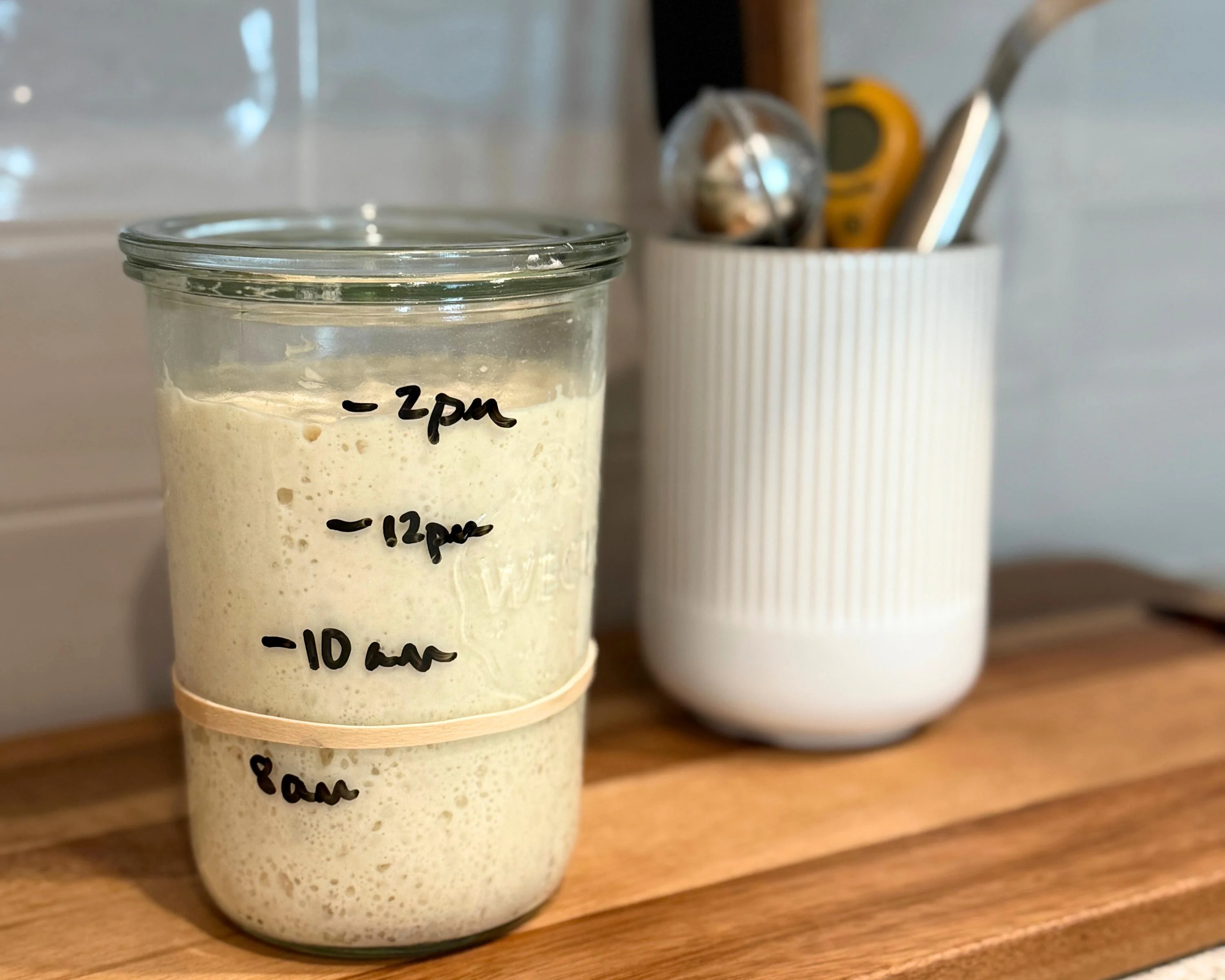
This recipe assumes a 100% hydration starter (equal parts flour and water by weight) that is fed, bubbly, and near peak. If your starter is stiffer or looser, the dough may feel drier or wetter, so follow the dough feel and hold back a splash of water if needed.

Why does rye dough feel sticky?

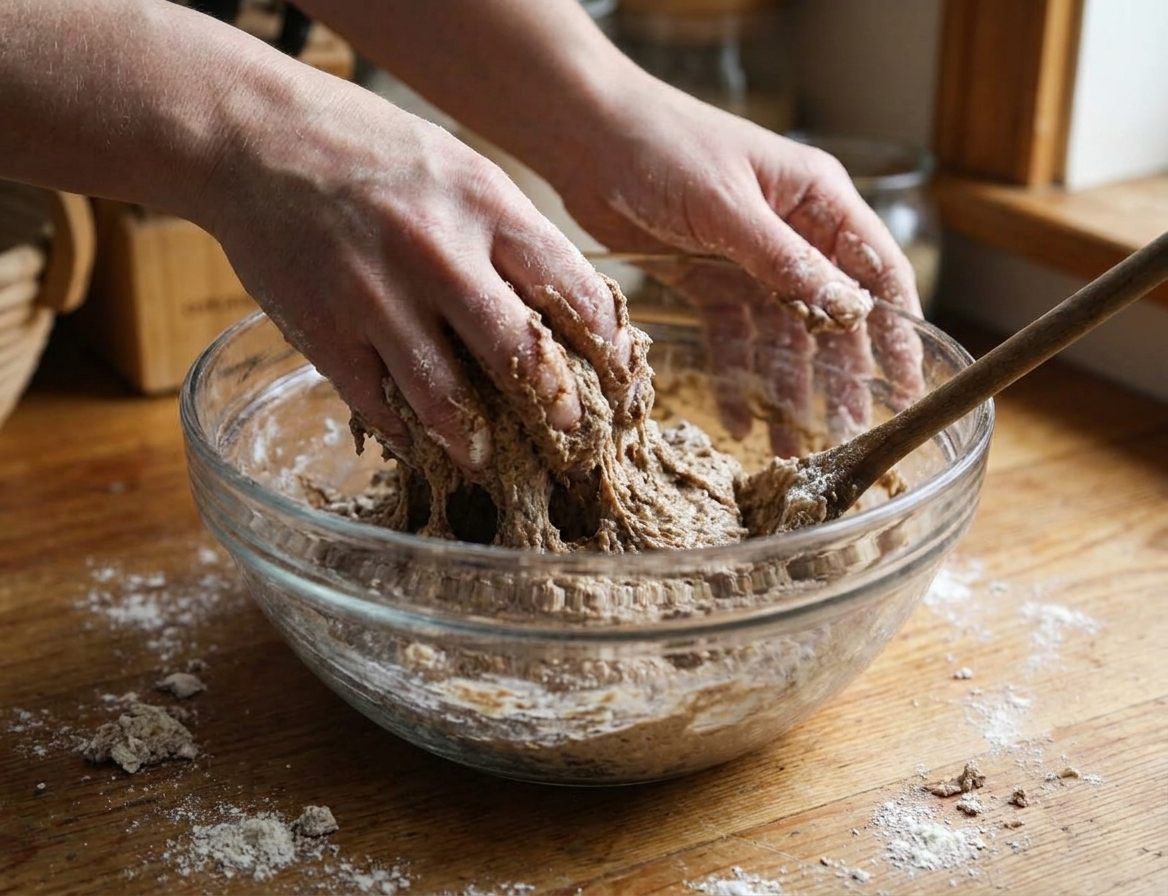
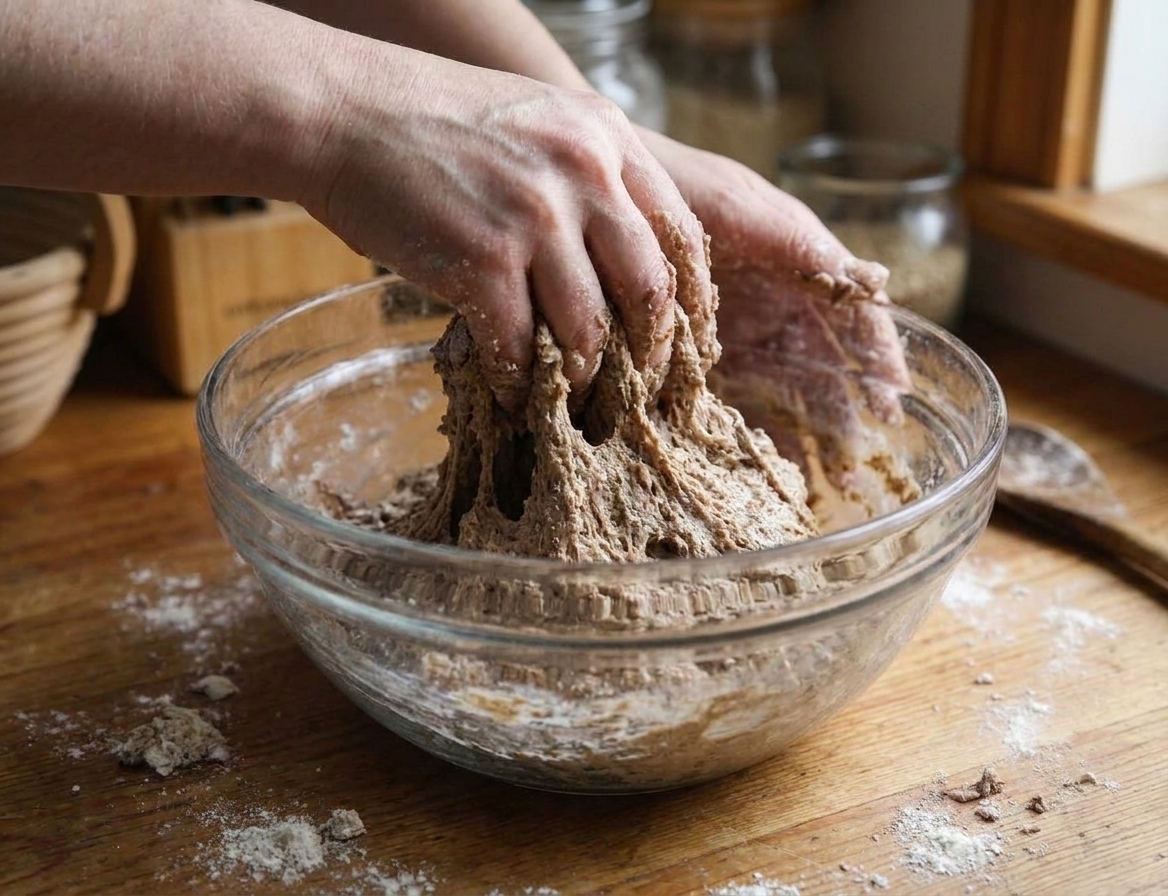
Rye has less gluten-forming potential than wheat, and it absorbs water differently. Expect a tackier dough than a basic white sourdough. Use wet hands during folding, and resist the urge to keep adding flour.

Can I skip the caraway?

Absolutely. Caraway makes it “deli rye adjacent,” but the bread is still fantastic without it. If you want a different vibe, try a teaspoon of fennel seed or coriander.

How do I know it is proofed enough?

Look for a dough that has risen about 40 to 60% (not necessarily doubled), feels aerated, and passes the gentle poke test: a floured finger poke springs back slowly and leaves a slight dent. Timing varies a lot, but this dough is happiest around 74 to 78°F / 23 to 26°C. If your kitchen is cool, expect it to take longer. If it is hot, it will move faster.

My crumb is gummy. What happened?

The usual culprits are underbaking, slicing too soon, or underfermentation. For rye, an internal temperature check helps a lot: bake until the center hits 205 to 210°F / 96 to 99°C. Cool fully before slicing, and next time extend bulk fermentation a bit if your kitchen is cool.

Rye bread has always felt like the “grown-up” loaf to me. The smell alone is a whole mood: warm, toasty, a little earthy, like your kitchen suddenly decided to cosplay as a corner bakery. The first time I baked sourdough rye that actually sliced cleanly, I stood there eating it over the sink with butter like it was a private victory parade. This is that loaf. It is sturdy, flavorful, and forgiving, and it gives you permission to be a little imperfect as long as you keep tasting and paying attention.