Mom's Best Recipes
Recipe

Sourdough Starter

A relaxed, reliable way to grow your own bubbly starter using flour, water, and a few good habits.

Author By Matt Campbell
4.8
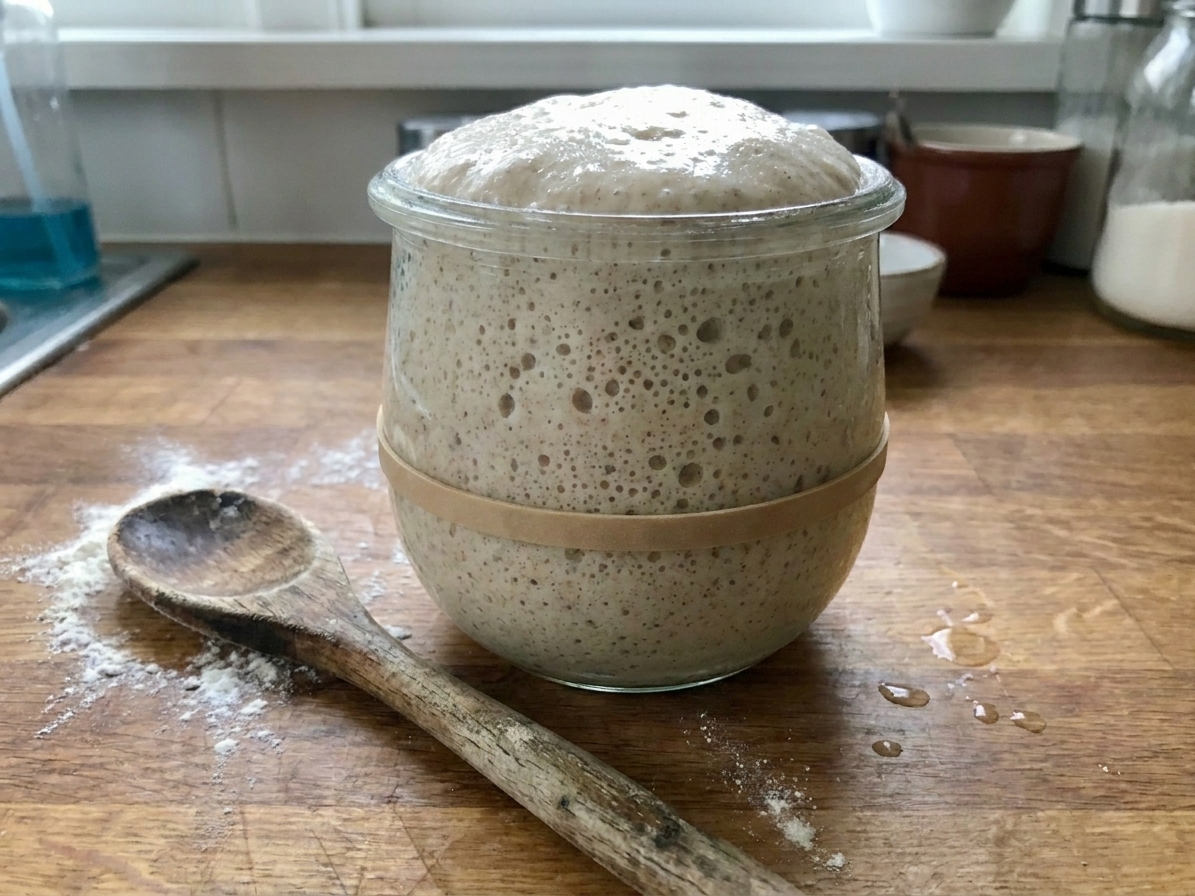
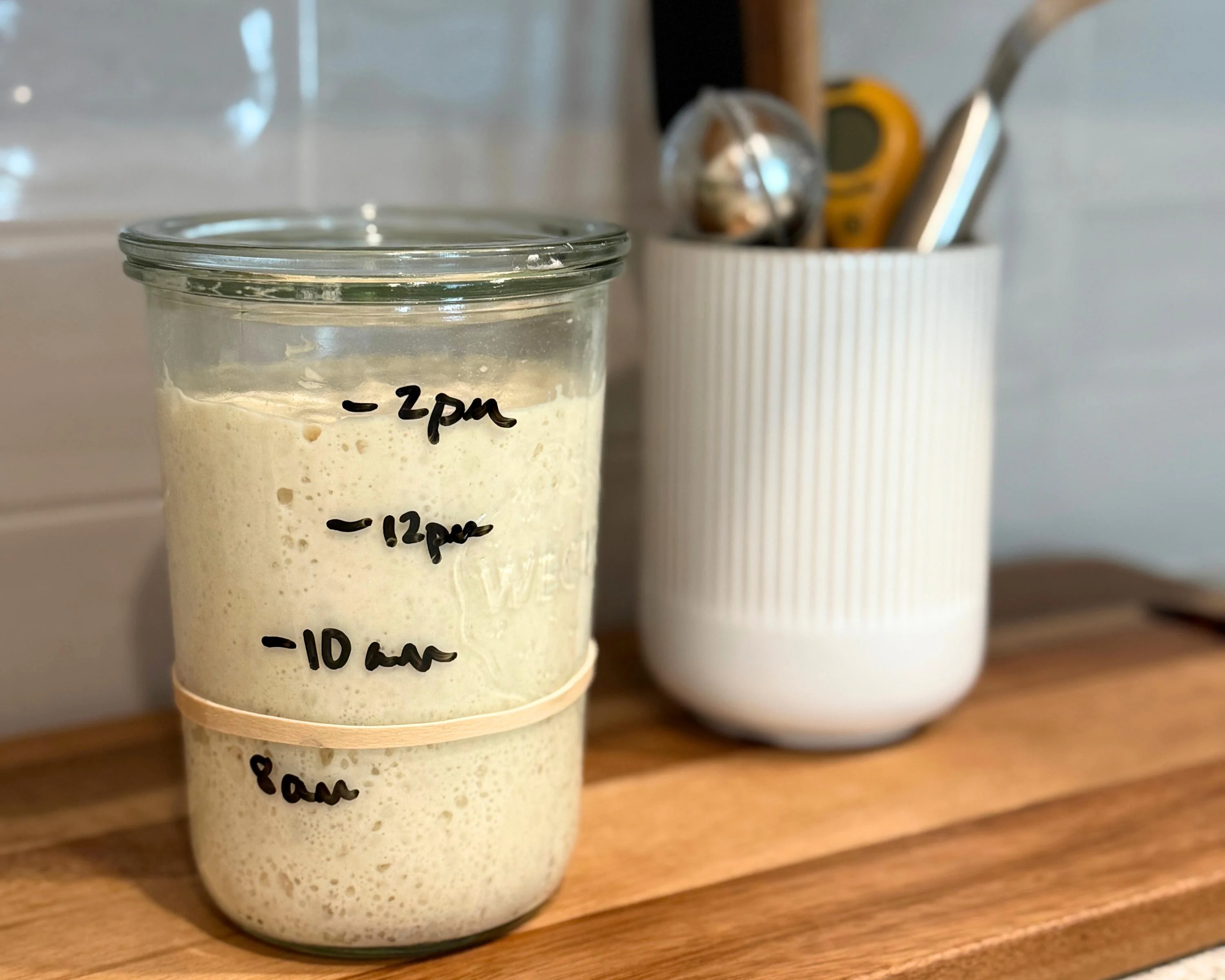
A clear glass jar of active sourdough starter with bubbles and a domed top on a kitchen counter beside a wooden spoon

Sourdough starter is basically a tiny, hungry pet you can bake with. It is flour and water that turns into a living culture of wild yeast and friendly bacteria. Most of the microbes come along for the ride in the flour itself, and your kitchen environment helps shape which ones thrive. Either way, the result is the same: a bubbly little engine that can raise bread, flavor pancakes, and make your kitchen smell like something good is on the way.

If you have ever felt like sourdough is mysterious, I promise it is mostly two things: consistency and paying attention. You do not need special packets of yeast, you do not need a lab coat, and you definitely do not need to be perfect. You just need a jar, a spoon, and a routine you will actually stick to.

Below is my no-drama method for building a starter from scratch, plus how to feed it, store it, and troubleshoot the classic issues like hooch, sluggish activity, and that moment when it smells like gym socks and you start questioning everything.
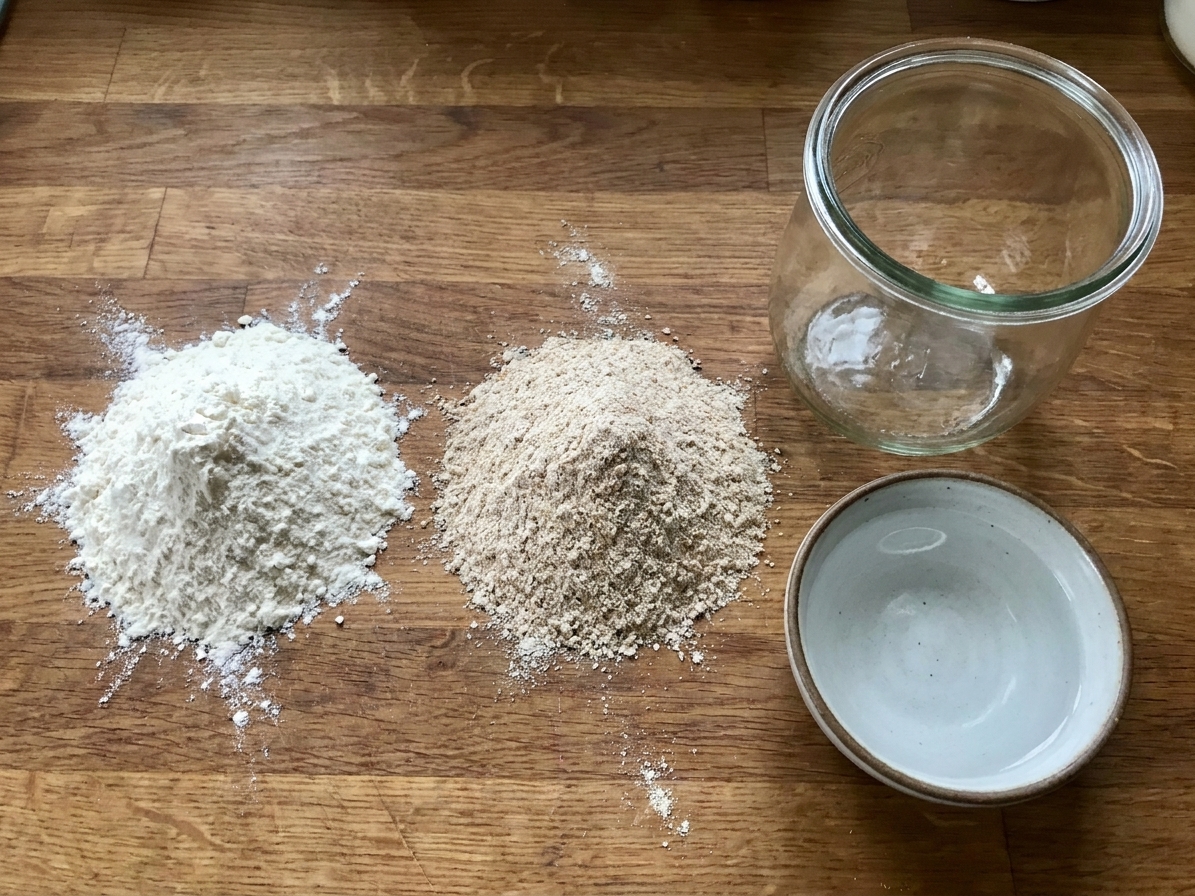
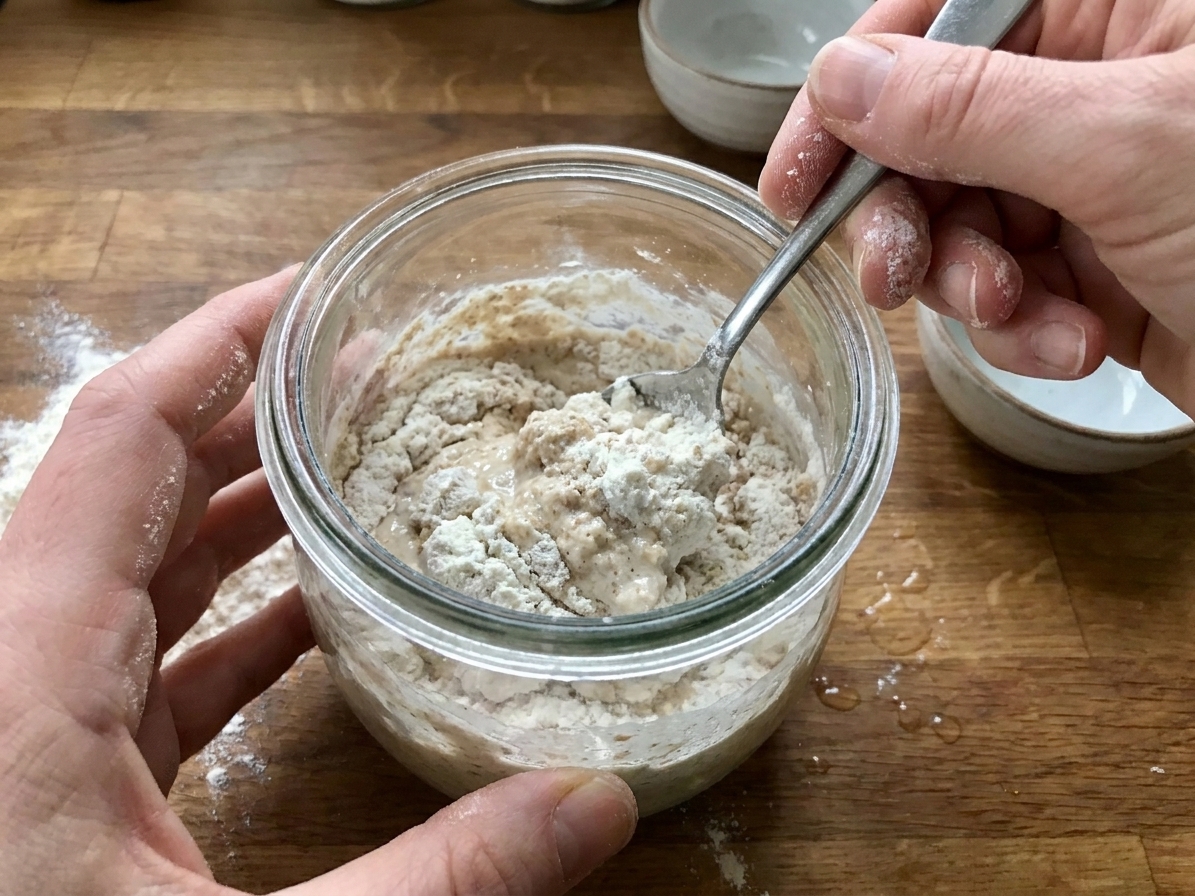
All-purpose flour, whole wheat flour, and a small bowl of water arranged on a tidy kitchen counter next to an empty glass jar

Why It Works

  • Reliable fermentation: A starter that consistently rises and falls on schedule so you can bake without guessing.
  • Better flavor: Mild tang or bold sourness depending on how you feed and store it.
  • Flexible schedule: Keep it on the counter for frequent baking or in the fridge for low-maintenance weeks.
  • Less waste: A practical approach to discard so you are not tossing cups of flour every day.

Pairs Well With

Storage Tips

How to Store Starter (and Discard)

Counter (room temp): Best if you bake 2 to 5 times a week. Feed every 12 to 24 hours depending on warmth and activity. Keep it loosely covered so gases can escape.

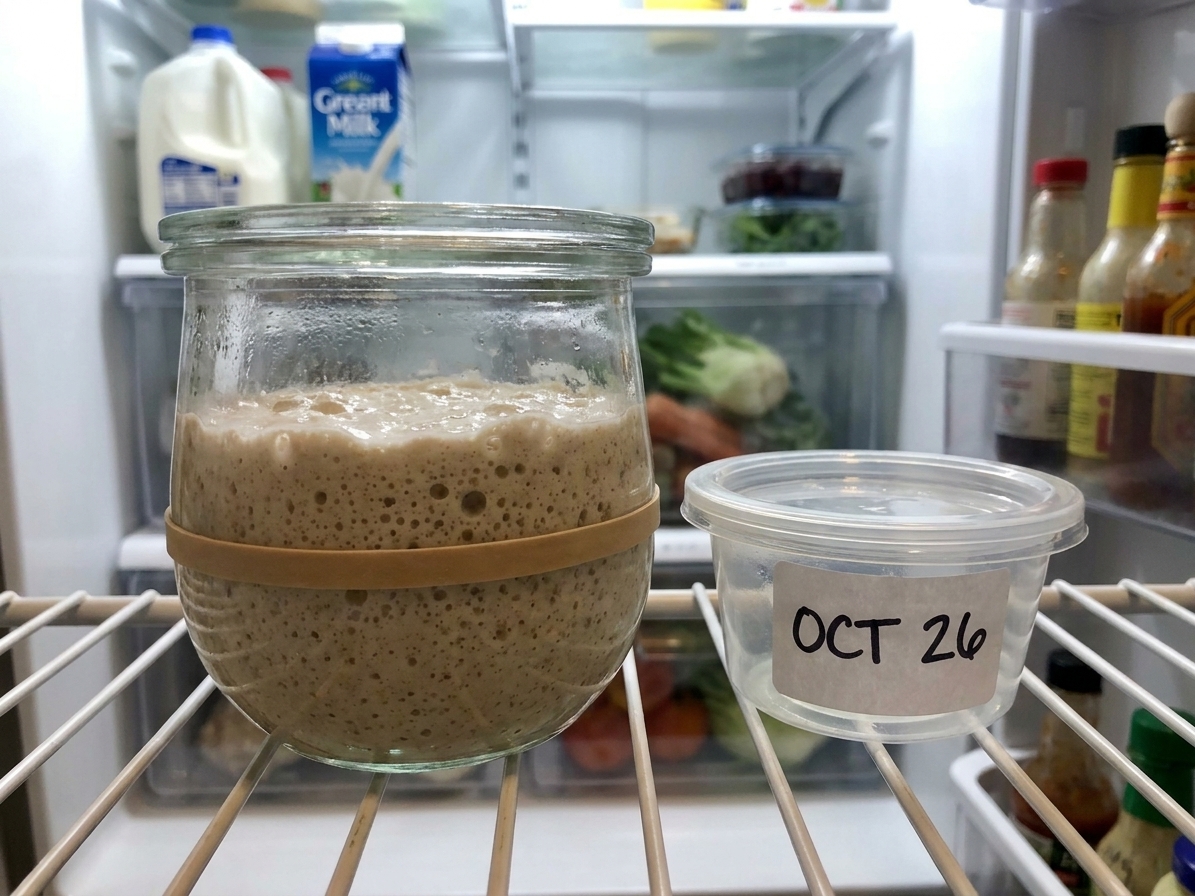
Fridge (weekly maintenance): Feed your starter, let it sit at room temperature for 1 to 2 hours to kickstart fermentation, then refrigerate. Feed about once a week, depending on how cold your fridge runs and how active your starter is. To bake, pull it out, feed it 1 to 2 times at room temperature until it is rising predictably again.

Short break (up to 2 weeks): Fridge method still works, but give it a slightly bigger feeding before chilling, and expect a couple room-temp feedings to fully bounce back.

Long-term backup: Spread a thin layer of starter on parchment, let it dry completely, then crumble and store airtight. To revive, dissolve in water and feed like normal for a few days.

Discard storage: For best quality, keep discard in a sealed container in the fridge for up to 1 week. Many people keep it longer, but use your senses: if you see mold or it smells truly rotten, toss it.

A lidded glass jar of sourdough starter sitting on a refrigerator shelf next to a small container labeled with the date

Common Questions

What day is my starter ready to bake with?

Usually day 7 to day 14. You want a starter that reliably doubles in volume within about 4 to 8 hours after feeding at typical room temp (around 70 to 78 F) using a common feeding like 1:1:1 or 1:2:2 by weight. Cooler kitchens and bigger feeds can push that timeline longer, and that is normal.

What is hooch and should I pour it off?

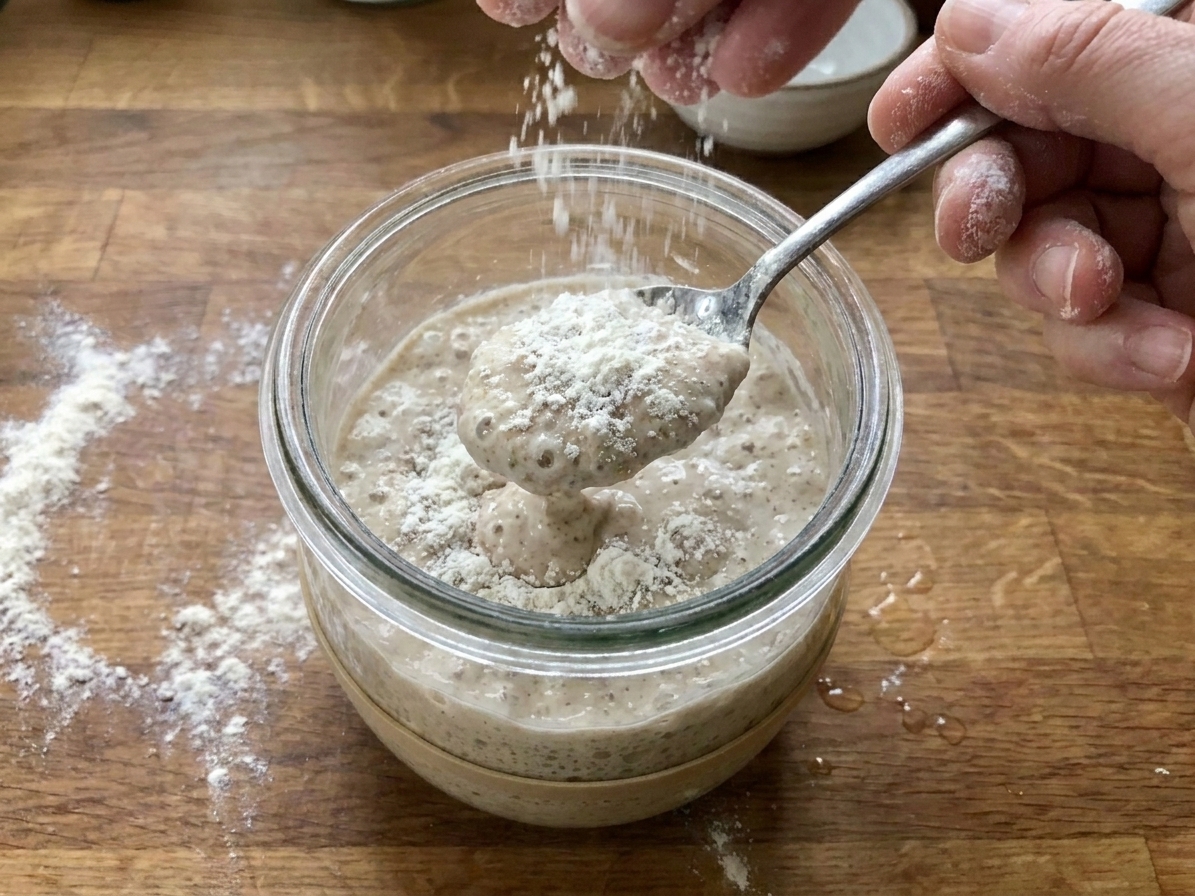
Hooch is a grayish or brown liquid that forms when your starter is hungry. You can pour it off for a milder starter, or stir it back in for more tang. Either way, feed your starter soon.

Why did my starter get super active on day 2 and then go quiet?

That early surge is often a short-lived bloom of bacteria. Totally normal. Keep feeding on schedule and it will settle into a more stable culture over the next several days.

Can I use all-purpose flour only?

Yes. It works. That said, a little whole wheat or rye early on can boost activity because it brings more nutrients and microbes to the party.

Do I need filtered water?

Not always, but if your tap water is heavily chlorinated, it can slow fermentation. Filtered water or letting tap water sit out for a few hours can help if your city uses chlorine. If your water supply uses chloramine (common in many places), letting it sit out will not remove it, so use filtered, bottled, or water treated to remove chloramine.

My starter smells bad. Is it ruined?

Sharp, funky smells can happen, especially early. If you see pink or orange streaks, fuzzy mold, or it smells truly rotten, toss it and start over. Otherwise, keep feeding and it usually corrects itself.

How do I make it more sour?

Use some whole grain flour, ferment a bit longer between feeds, or keep it in the fridge (cooler temps often favor more acidity). For less sour, feed more often and keep it warmer.

Can I use the discard right away?

For the first few days, I treat discard as a practice run and do not cook with it. Once your starter smells clean and pleasantly tangy and shows consistent activity (often after about a week), discard is fair game. Always skip discard that shows mold or smells putrid.

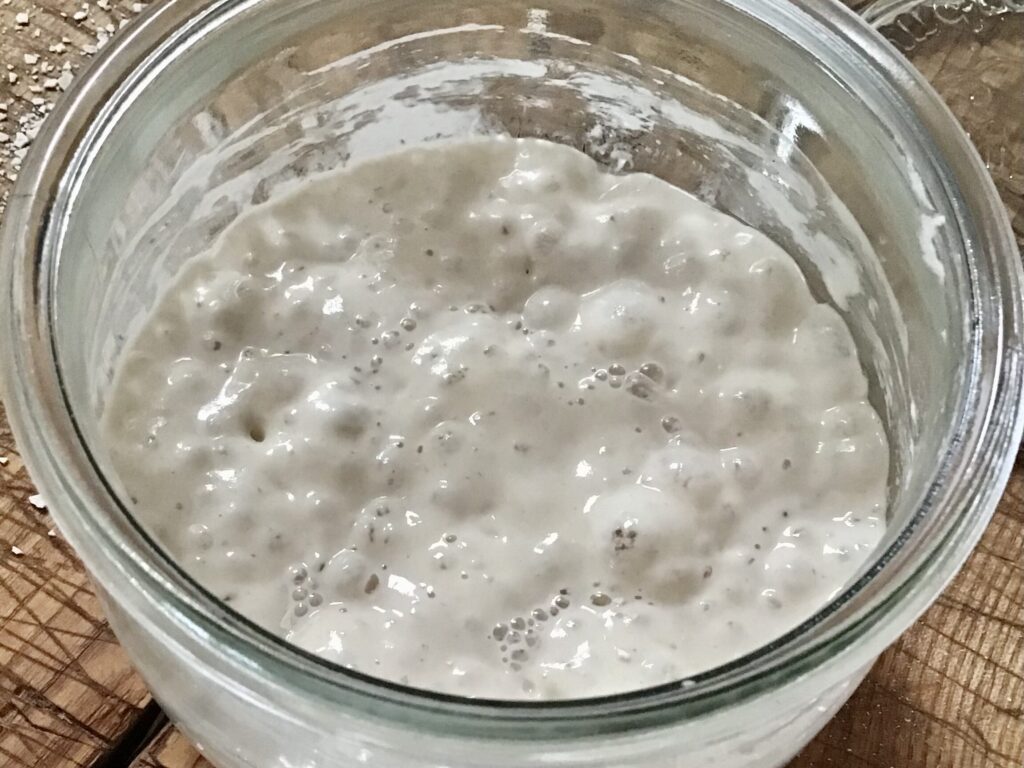
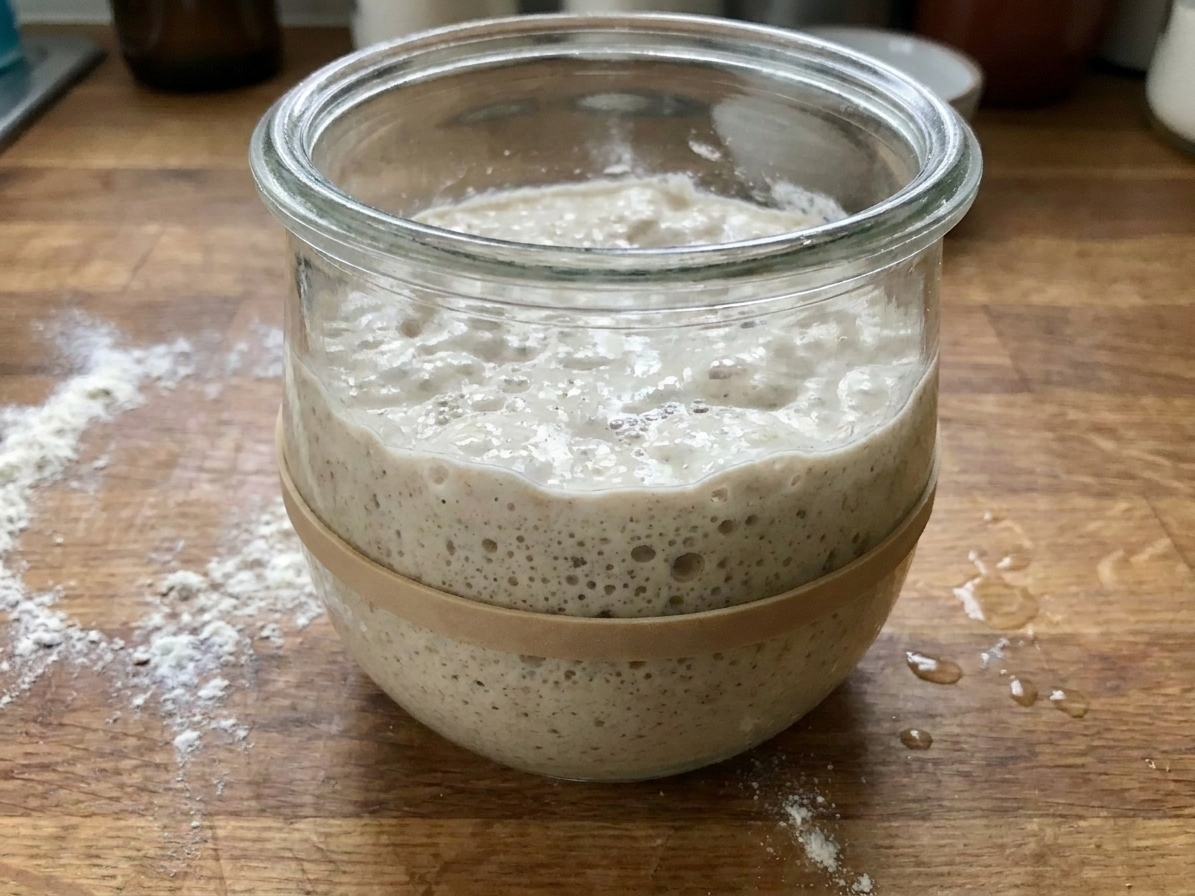
Close-up of bubbly sourdough starter showing an airy honeycomb texture inside a glass jar on a kitchen counter

I went into sourdough the way I go into most kitchen projects, with confidence that is only occasionally backed up by planning. My first starter looked like a science fair volcano for two days, then went completely silent, and I hovered over it like a worried plant parent. The thing that finally clicked was treating it less like a recipe and more like a routine. Same jar, same ratio, same time of day, and a quick smell-check like I was tasting a sauce. Once you get that rhythm, sourdough stops being intimidating and starts feeling like you have a quiet little engine on your counter making tomorrow’s bread better.