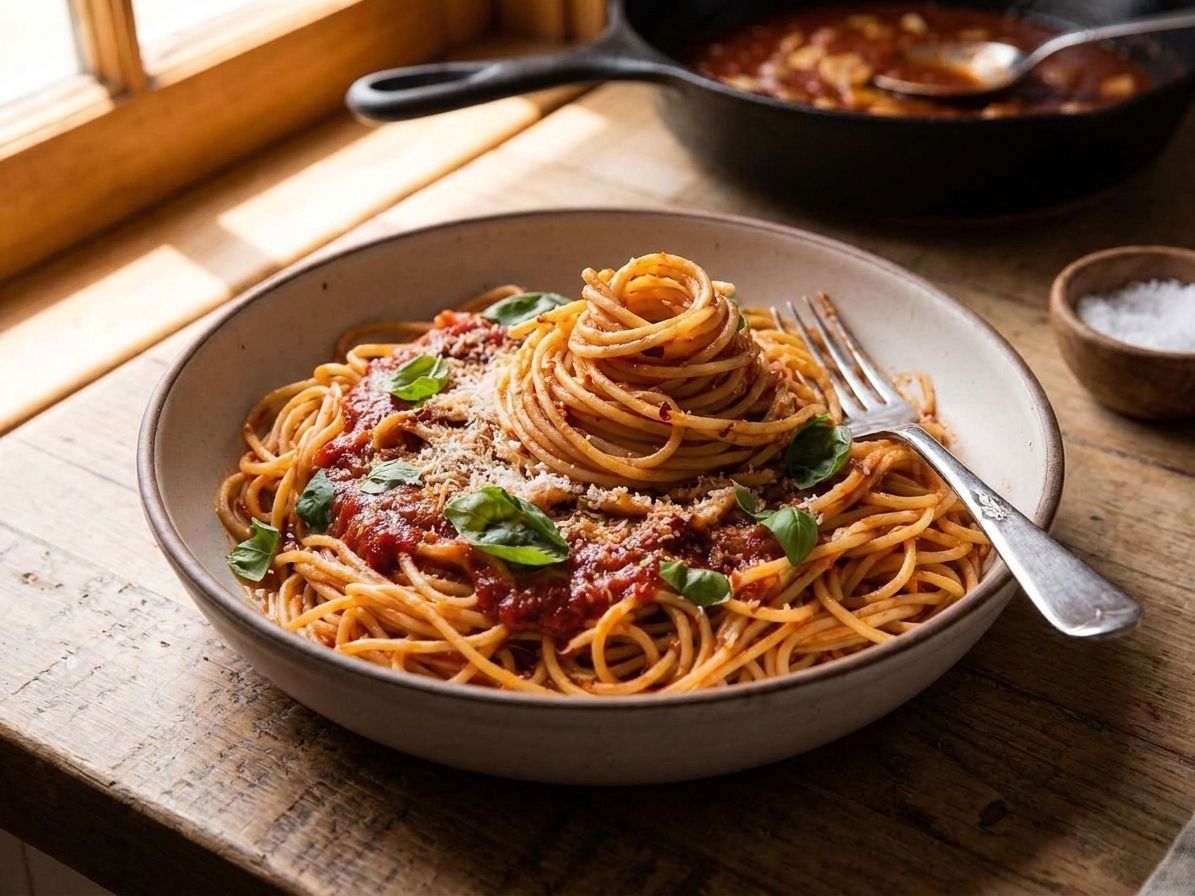
Mom's Best Recipes
Recipe

Spaghetti Sauce

A bold, home-cook friendly tomato sauce you can simmer in under an hour, or let go longer for restaurant-level depth.

Author By Matt Campbell
4.8
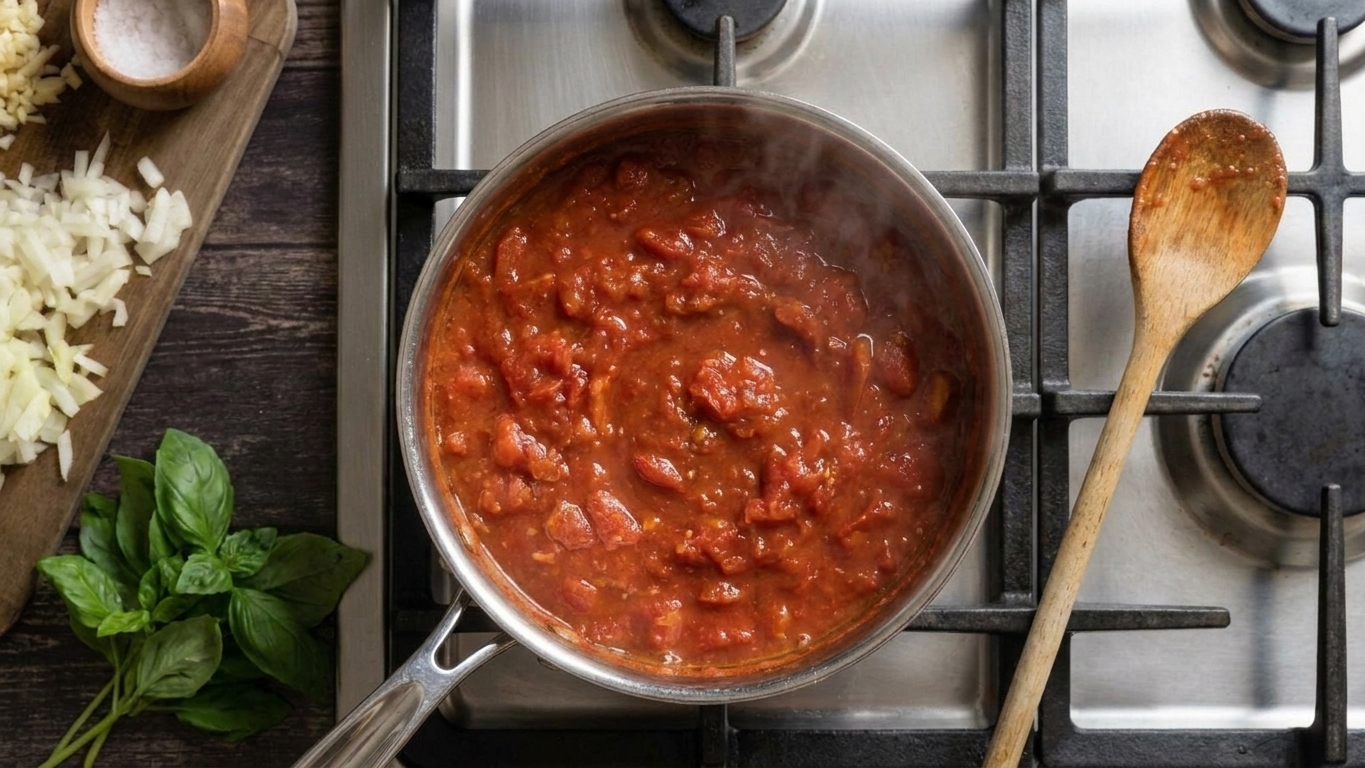
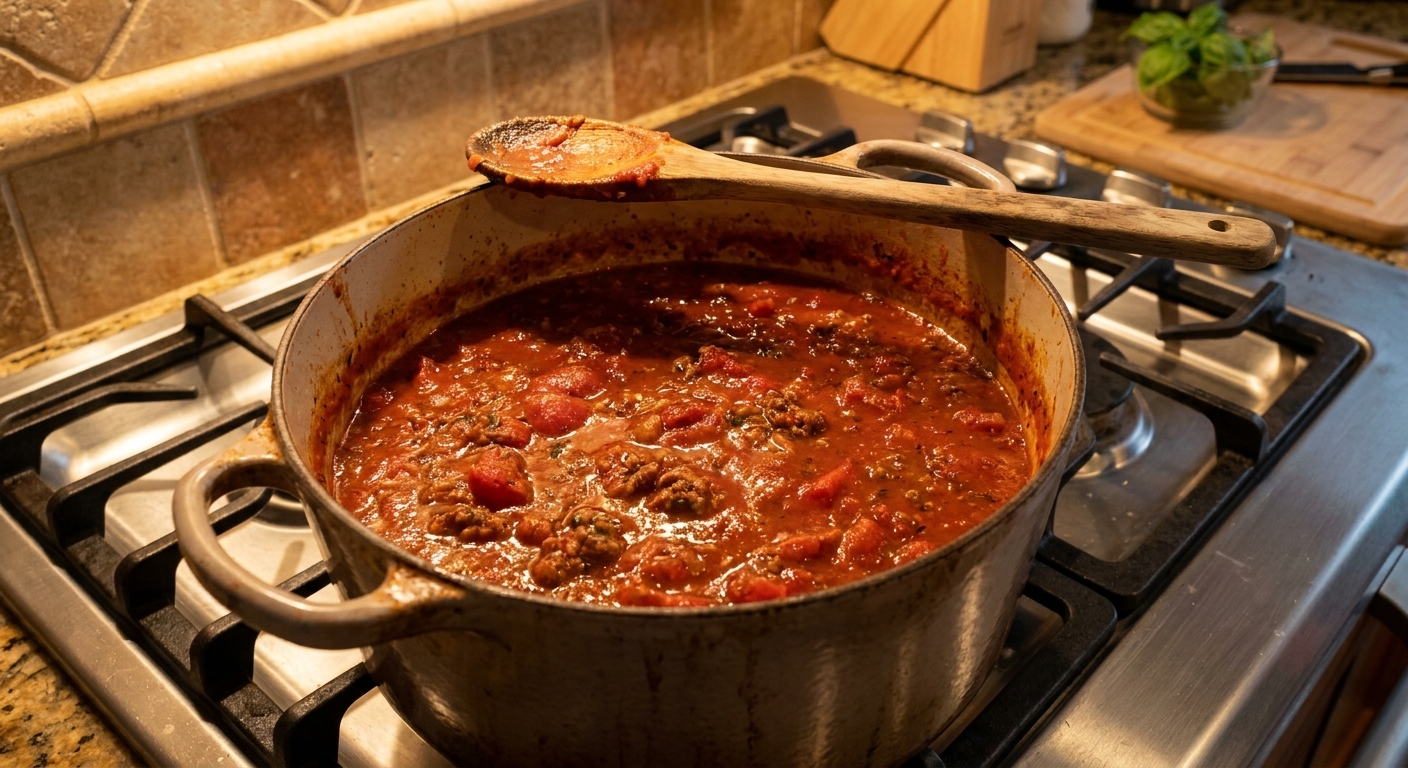
A pot of homemade spaghetti sauce gently simmering on a stovetop with a wooden spoon resting nearby, warm kitchen lighting

There are two kinds of spaghetti sauce nights in my kitchen: the we need dinner now nights and the let it simmer while we clean up life nights. This sauce does both. It starts with easy pantry staples, builds flavor with a quick sauté, and finishes with that classic tomato richness that clings to noodles the way it should.

It is relaxed, forgiving, and pretty hard to mess up as long as you taste as you go. That is the real secret sauce.
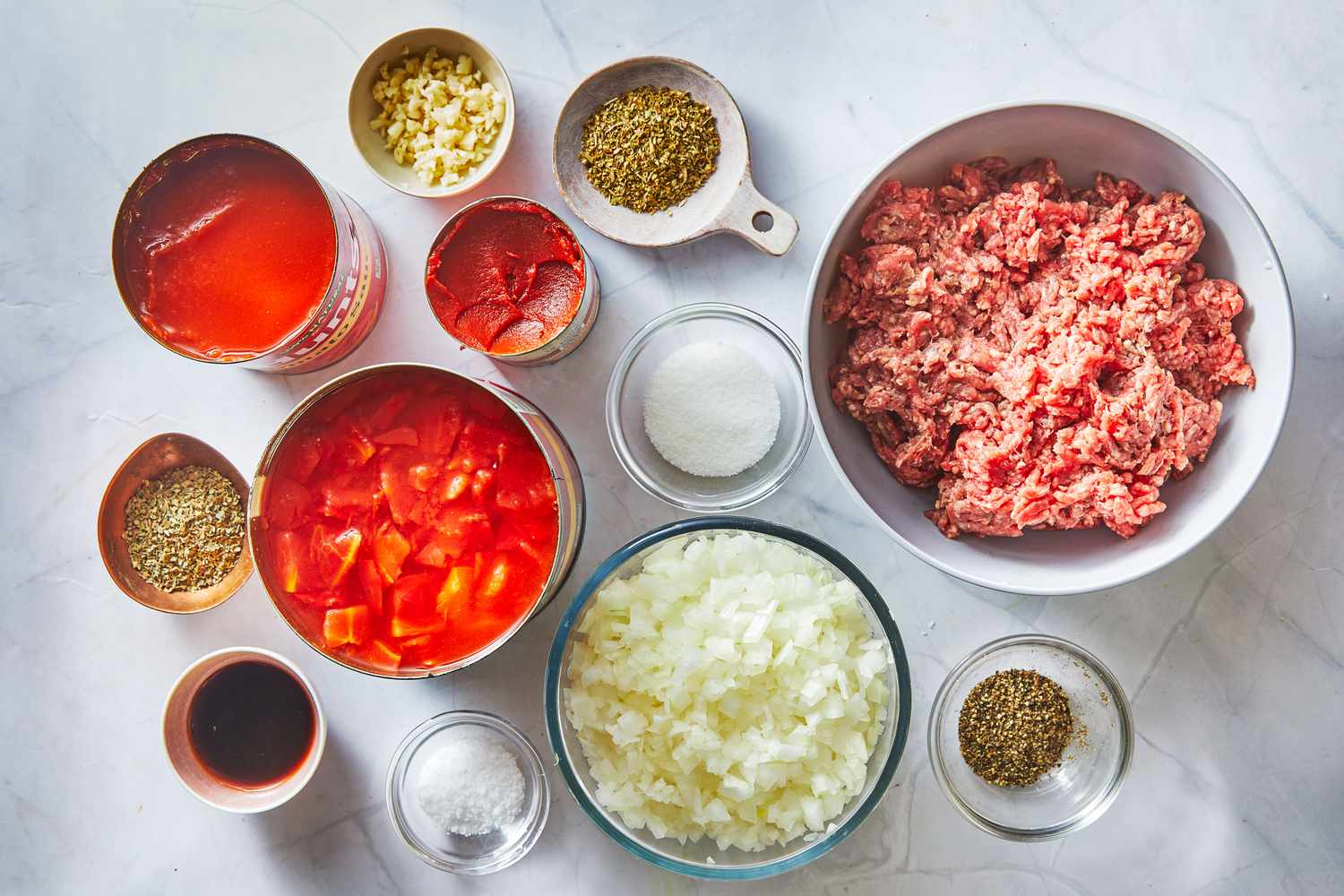
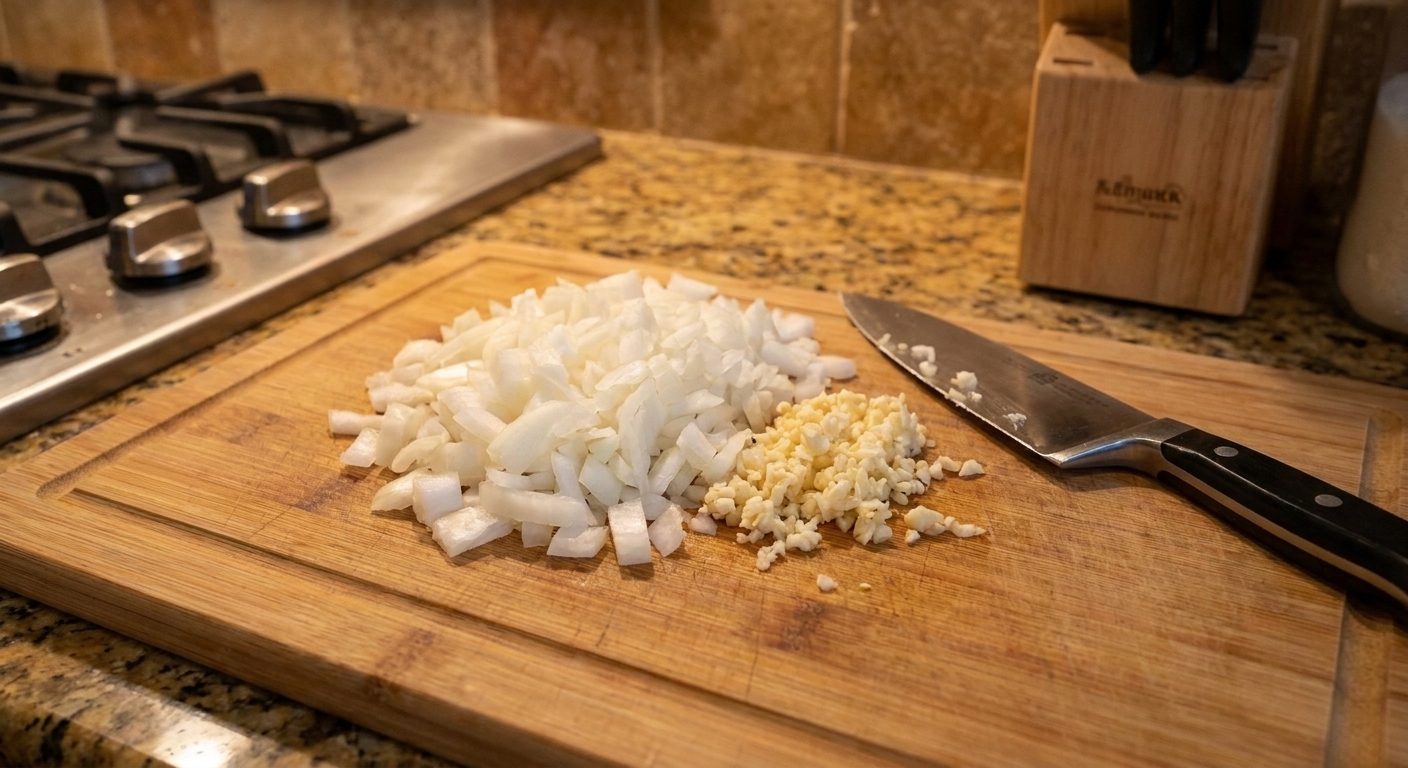
Crushed tomatoes, tomato paste, onion, garlic, olive oil, dried herbs, salt, and pepper arranged on a clean kitchen counter

Why It Works

  • Big flavor, accessible ingredients: crushed tomatoes, tomato paste, garlic, and dried herbs do most of the work.
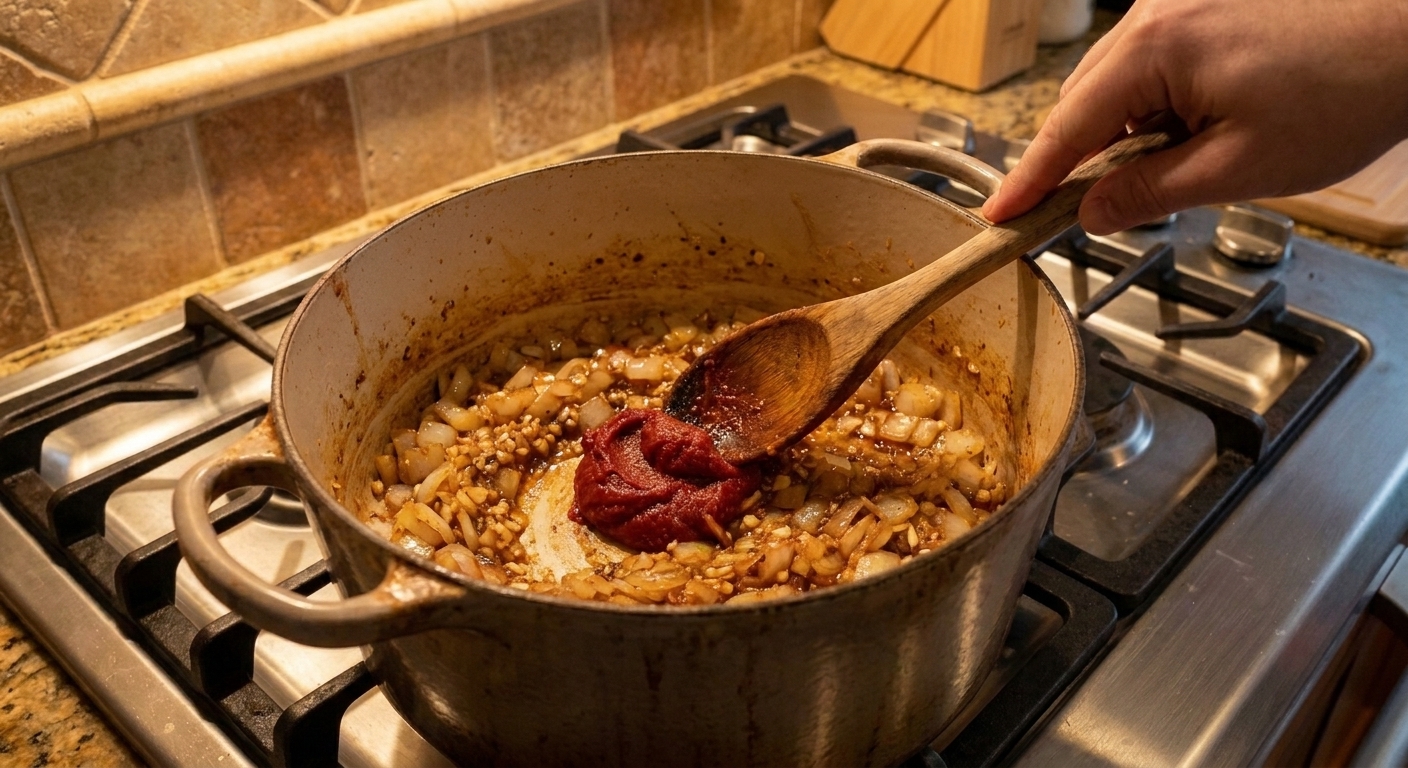
  • Quick depth without fuss: blooming the garlic and toasting the tomato paste for a minute makes the sauce taste simmered longer than it is.
  • Flexible finish: keep it bright and classic, or make it meaty, spicy, or extra cozy with a splash of cream.
  • Freezer-friendly: make a batch today and future-you gets a high-five.

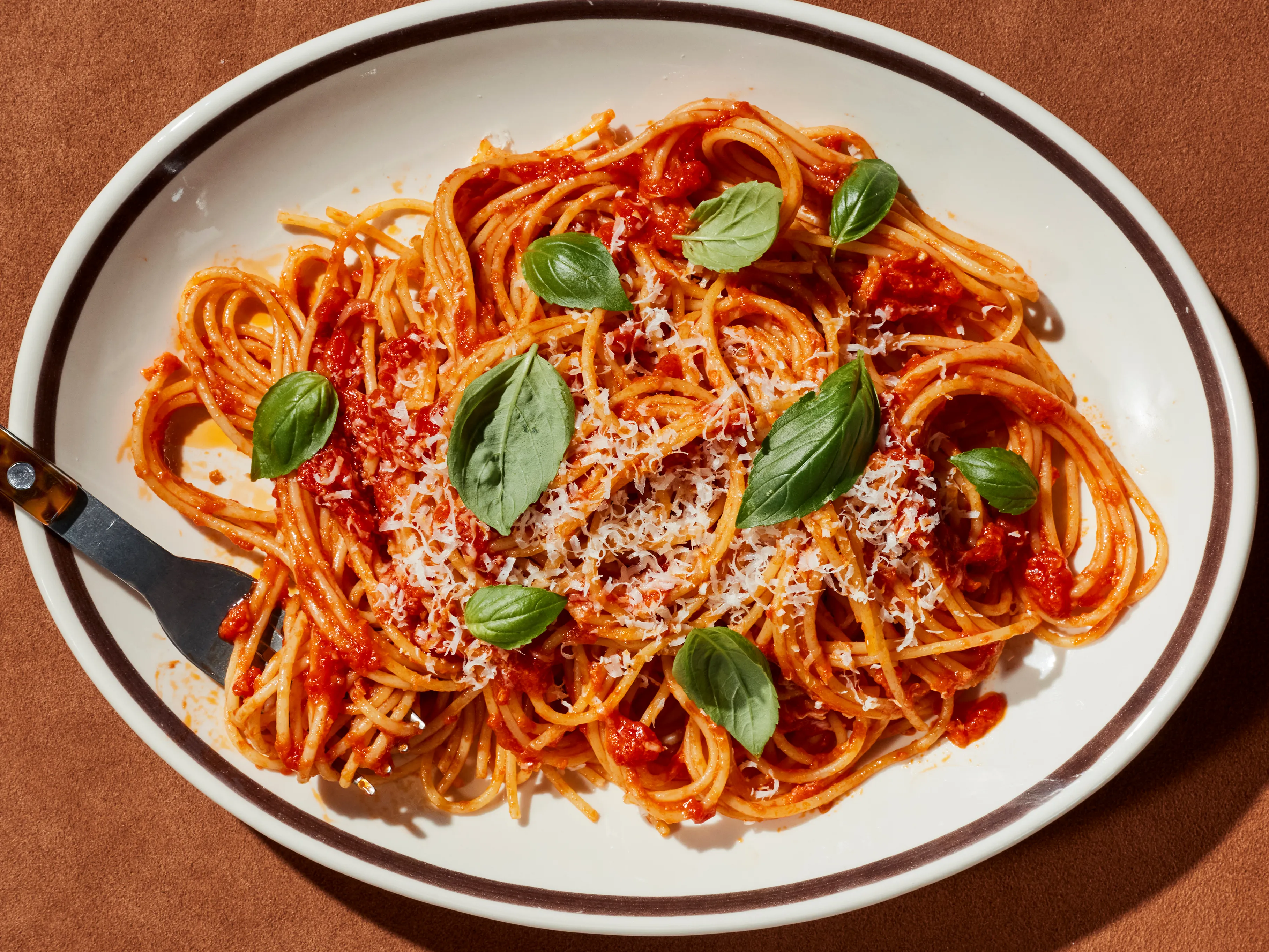
Pairs Well With

Storage Tips

Refrigerator: Cool the sauce completely, then store in an airtight container for 4 to 5 days.

Freezer: Freeze in portioned containers or zip-top freezer bags for up to 3 months. Lay bags flat so they stack neatly.

Reheat: Warm gently in a saucepan over medium-low, stirring occasionally. If it thickened in the fridge, loosen with a splash of water, broth, or pasta cooking water.

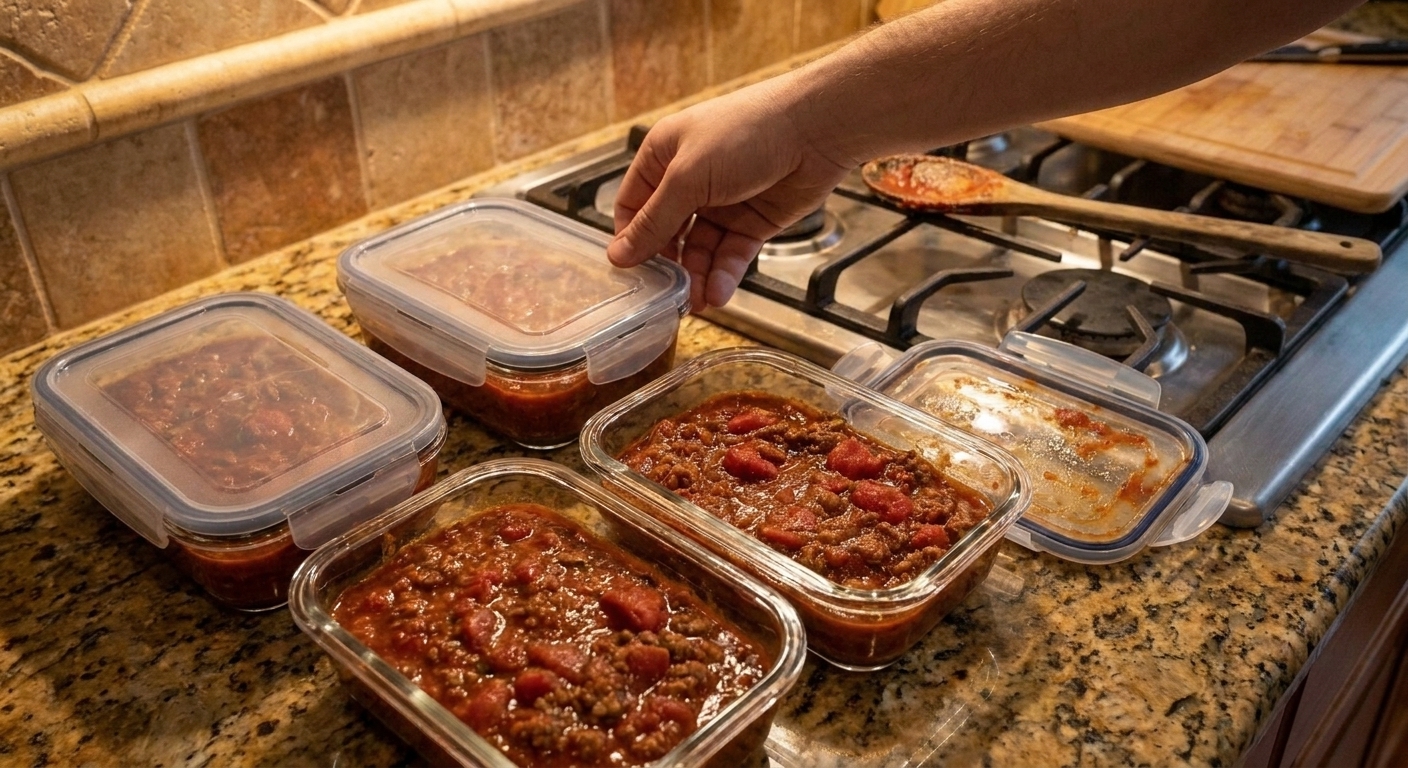
Portioned spaghetti sauce in clear glass storage containers with lids on a kitchen counter

Common Questions

Can I make this sauce without sugar?

Yes. The optional sugar just rounds out sharp acidity in some canned tomatoes. If you skip it, try a longer simmer, a pinch more salt, or a small grated carrot (it adds natural sweetness without tasting like carrot).

How do I thicken spaghetti sauce?

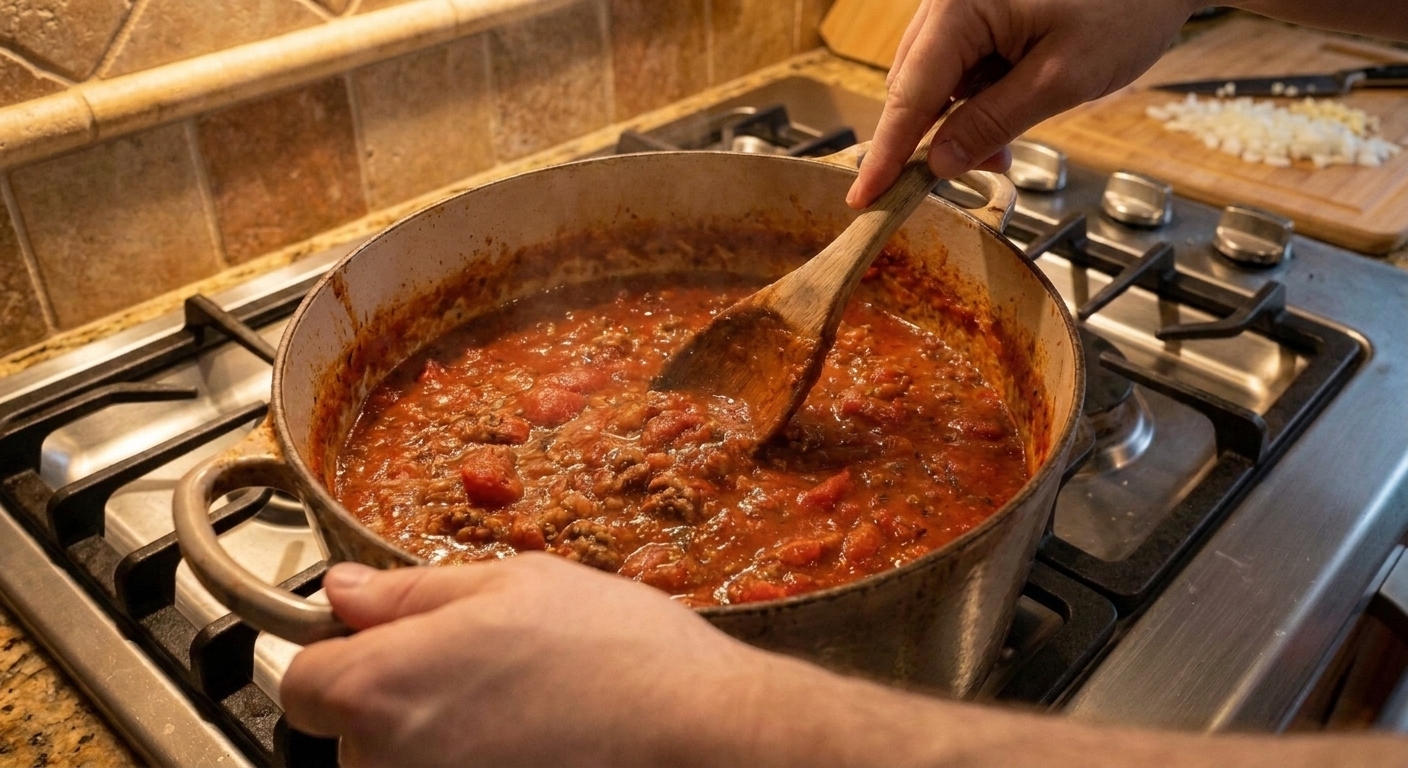
Simmer uncovered a little longer. If you are in a rush, stir in 1 to 2 more tablespoons tomato paste, or let the sauce bubble a bit more vigorously for a few minutes, stirring so it does not scorch.

How do I fix sauce that tastes too acidic?

Try this order: 1) more salt (seriously), 2) a pinch of sugar or grated carrot, then 3) a small knob of butter or a splash of cream if you want it mellow and silky.

Do I have to use fresh basil?

Nope. Dried basil works great here. Fresh basil is a nice finishing move if you have it, but the sauce is still solid without it.

Should I rinse pasta before adding sauce?

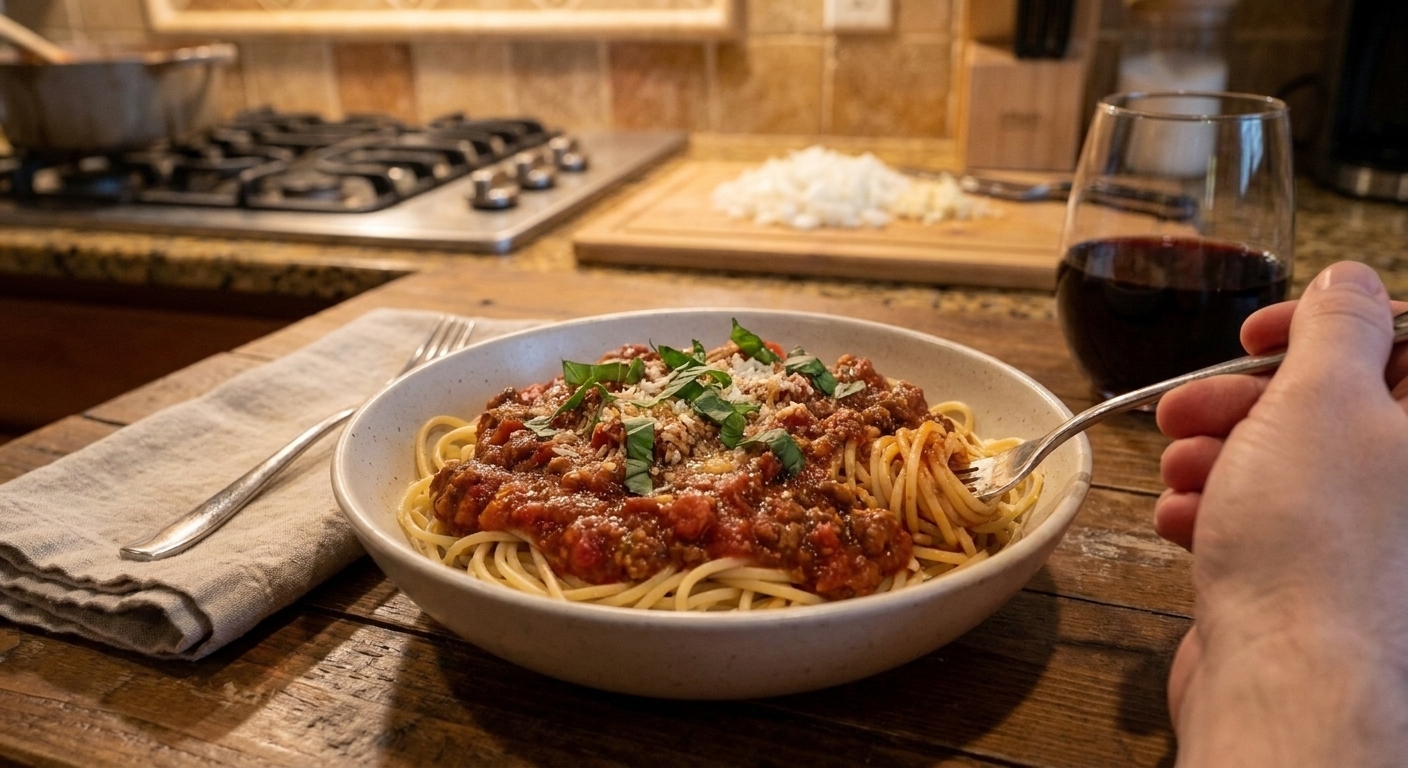
Do not rinse. You want the surface starch so the sauce clings. Instead, reserve a mug of pasta water and use it to help the sauce coat the noodles.

I used to think “great spaghetti sauce” required a full day, a grandmotherly secret, and a pot the size of a small swimming pool. Turns out what it really requires is paying attention for the first five minutes. Get the onions soft, toast the tomato paste until it turns brick-red and smells almost sweet, then let tomatoes do their thing. The rest is just stirring, tasting, and pretending you are not going back for a second piece of garlic bread.