Mom's Best Recipes
Recipe

Spicy Garlic Udon

Chewy udon noodles in a glossy garlic-chili sauce with crisp veggies and a cozy, slurpable finish.

Author By Matt Campbell
4.8
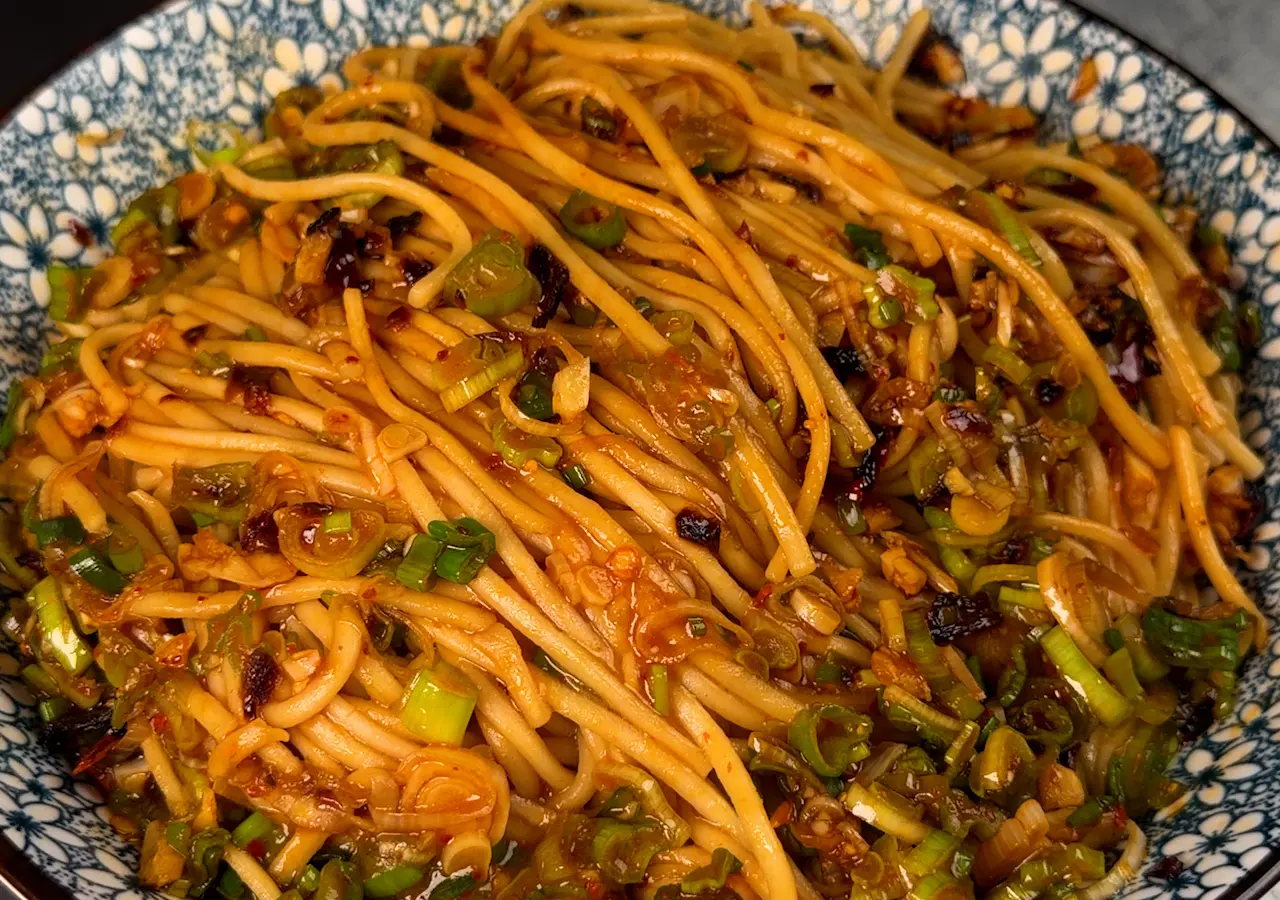
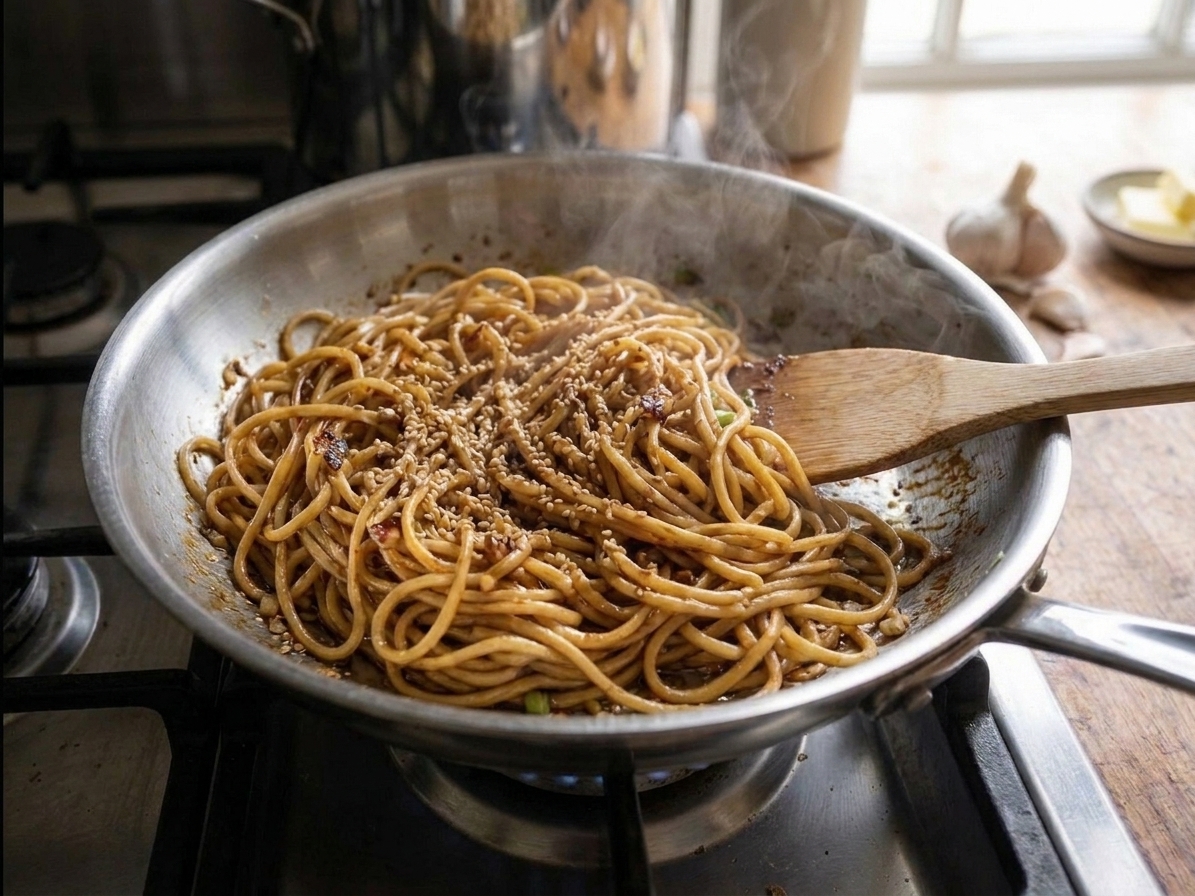
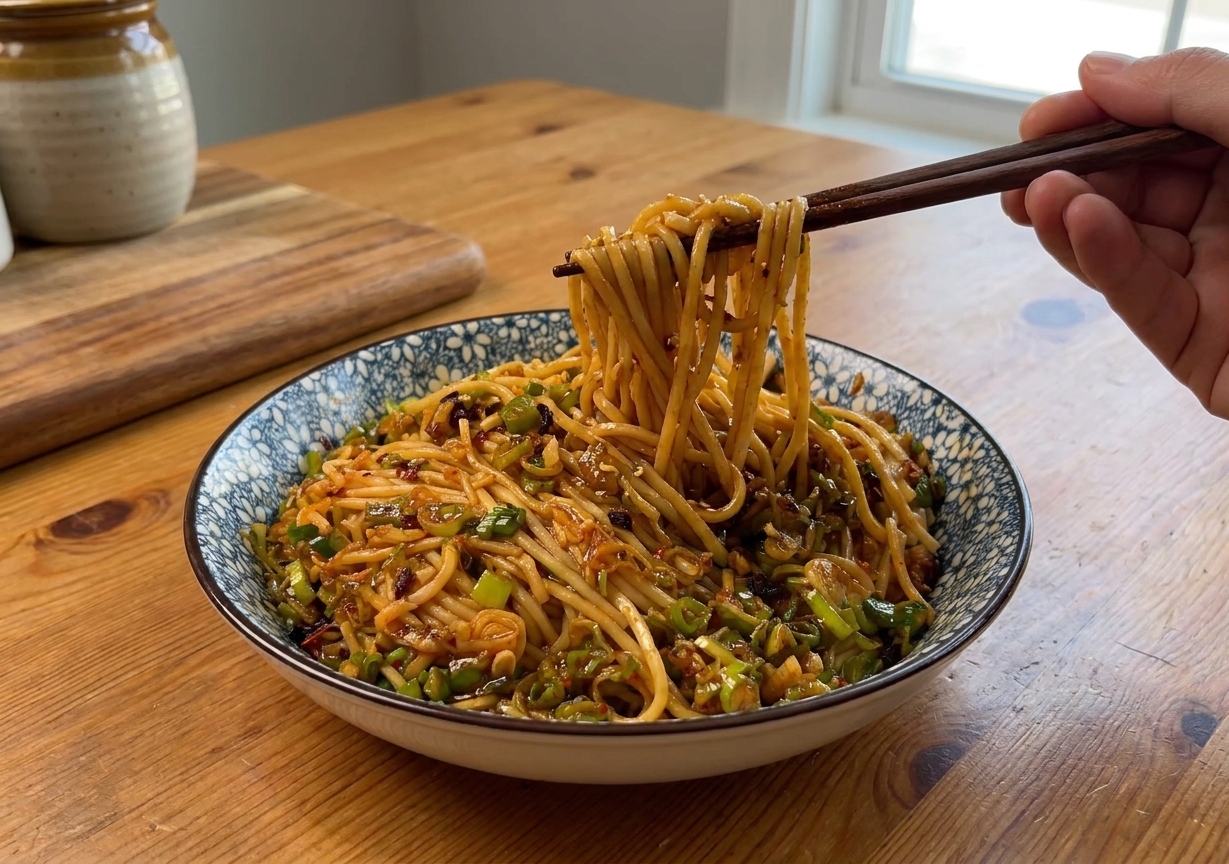
A shallow bowl of glossy spicy garlic udon noodles topped with sliced scallions and sesame seeds on a warm-toned kitchen table

Udon is my weeknight cheat code: thick, chewy noodles that taste like you tried harder than you did. This is the version I make when I want bold flavor fast, a little heat, and those crisp edges on the veggies that make you keep digging for one more bite.

The sauce is simple and loud in the best way: soy, chili crisp, brown sugar, rice vinegar, and a lot of garlic. It turns glossy in the pan, clings to the noodles, and makes even a random bag of fridge vegetables feel like a plan. Tasting as you go is not only allowed, it is encouraged.

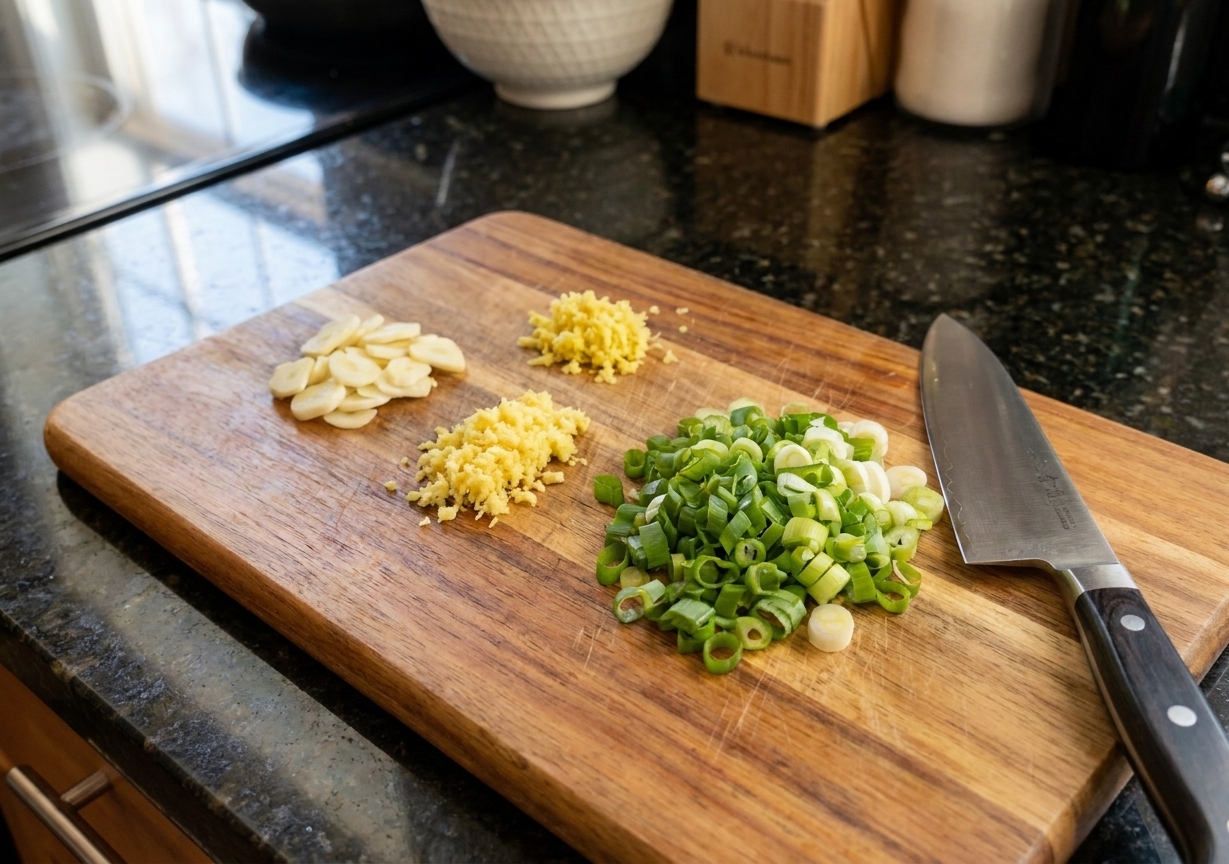
Ingredients for spicy garlic udon arranged on a kitchen counter including udon packs, soy sauce, chili crisp, garlic, scallions, sesame oil, and mixed vegetables

Why It Works

  • Chewy noodles, not mushy: We loosen the udon gently, then finish it in the sauce so it soaks up flavor without falling apart.
  • A glossy, balanced sauce: Sweet, salty, tangy, and spicy, with garlic doing most of the heavy lifting.
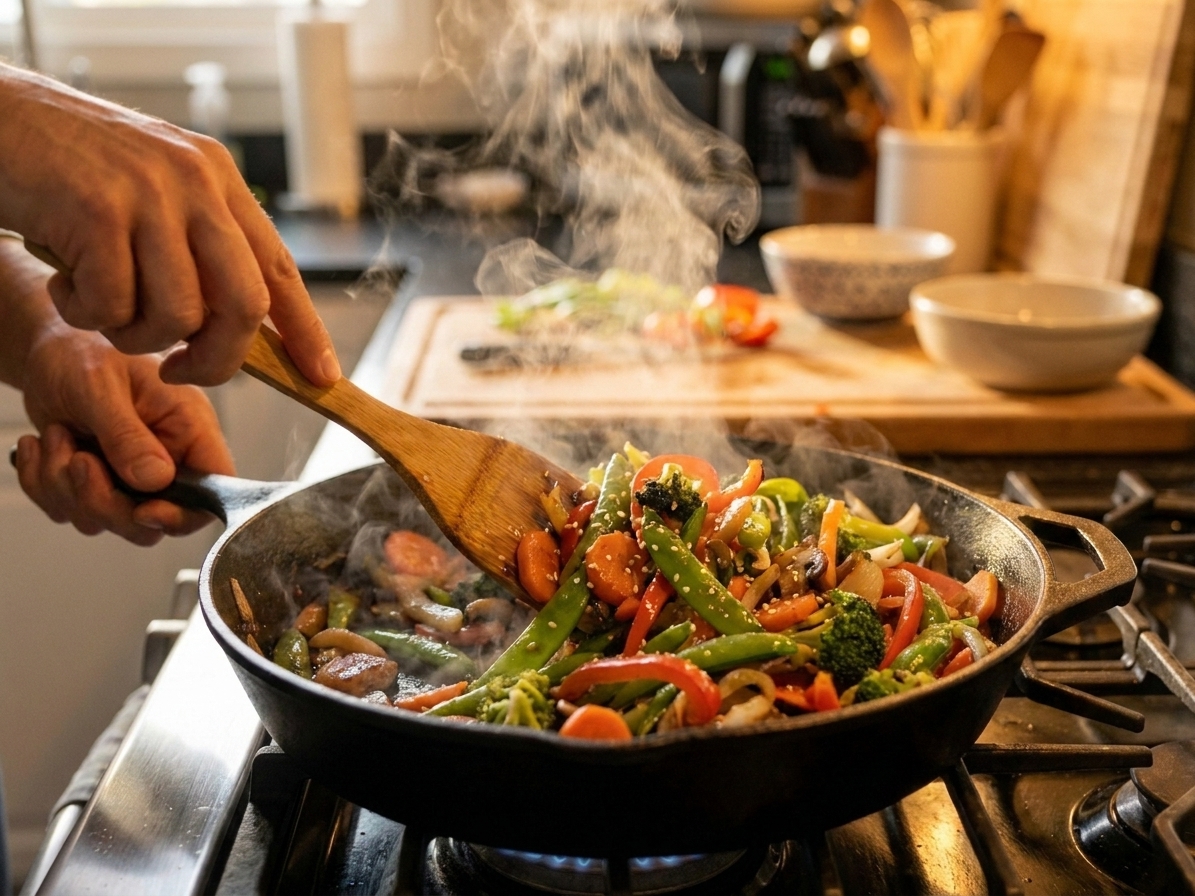
  • Crisp-tender veggies: High heat, quick stir-fry, and you get browned edges without sogginess.
  • Flexible by design: Use whatever protein or vegetables you have, and the sauce still lands.

Pairs Well With

Storage Tips

Fridge: Store in an airtight container for up to 3 days. Udon will firm up as it chills. Totally normal.

Reheat: Best in a skillet over medium heat with a splash of water to loosen the sauce. Toss constantly until the noodles relax again. Microwave works too, just add a tablespoon of water and stir halfway through.

Freezing: I do not love freezing cooked udon. The texture can go a little gummy. If you want to prep ahead, make the sauce and chop the veggies, then cook fresh.

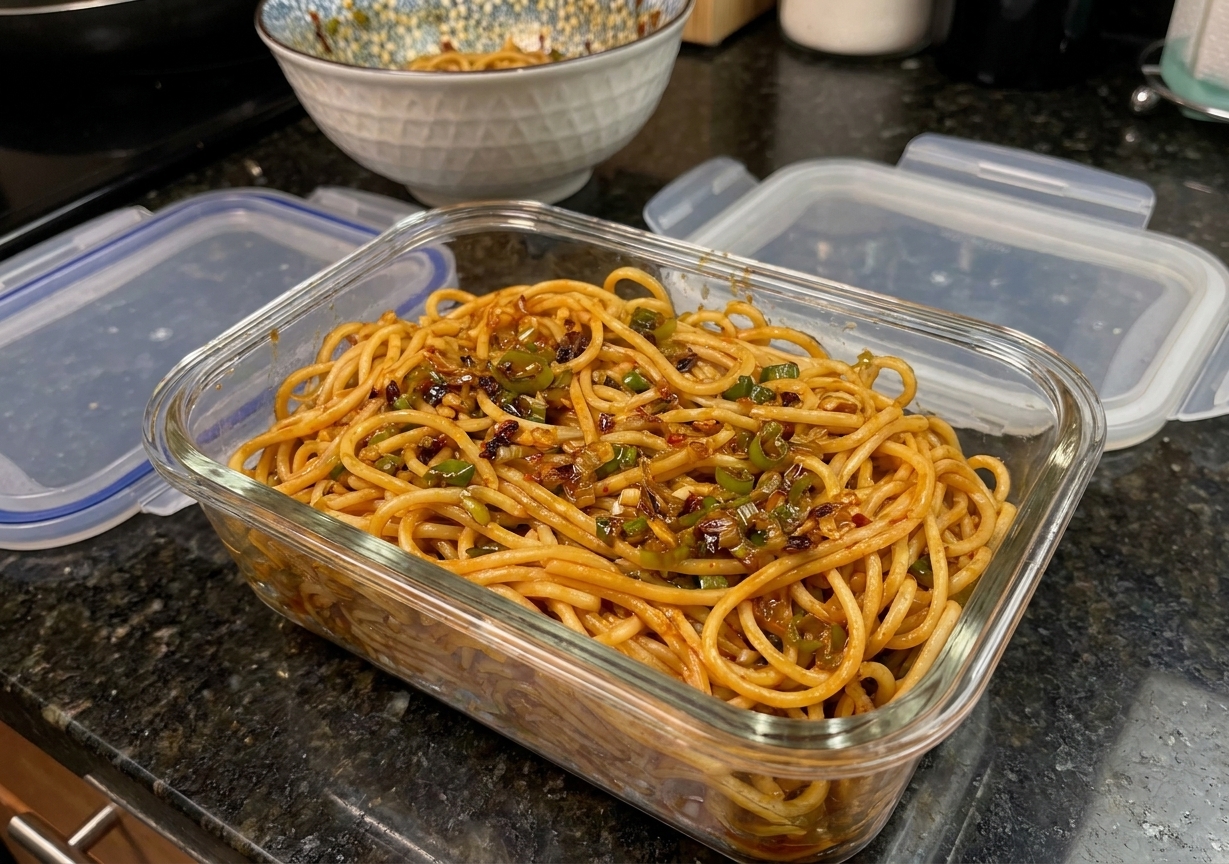
A glass meal prep container filled with leftover spicy udon noodles and vegetables sitting on a kitchen counter with a lid nearby

Common Questions

What kind of udon should I buy?

Fresh or frozen udon is ideal for that bouncy chew. Shelf-stable vacuum-packed udon also works well and is super convenient. If you only have dried udon, cook it until just tender. If you are trying to stop the cooking fast, rinse very briefly, then drain well. Otherwise, go straight from pot to pan with a small splash of hot cooking water so the sauce clings nicely.

Why are my udon noodles sticking together?

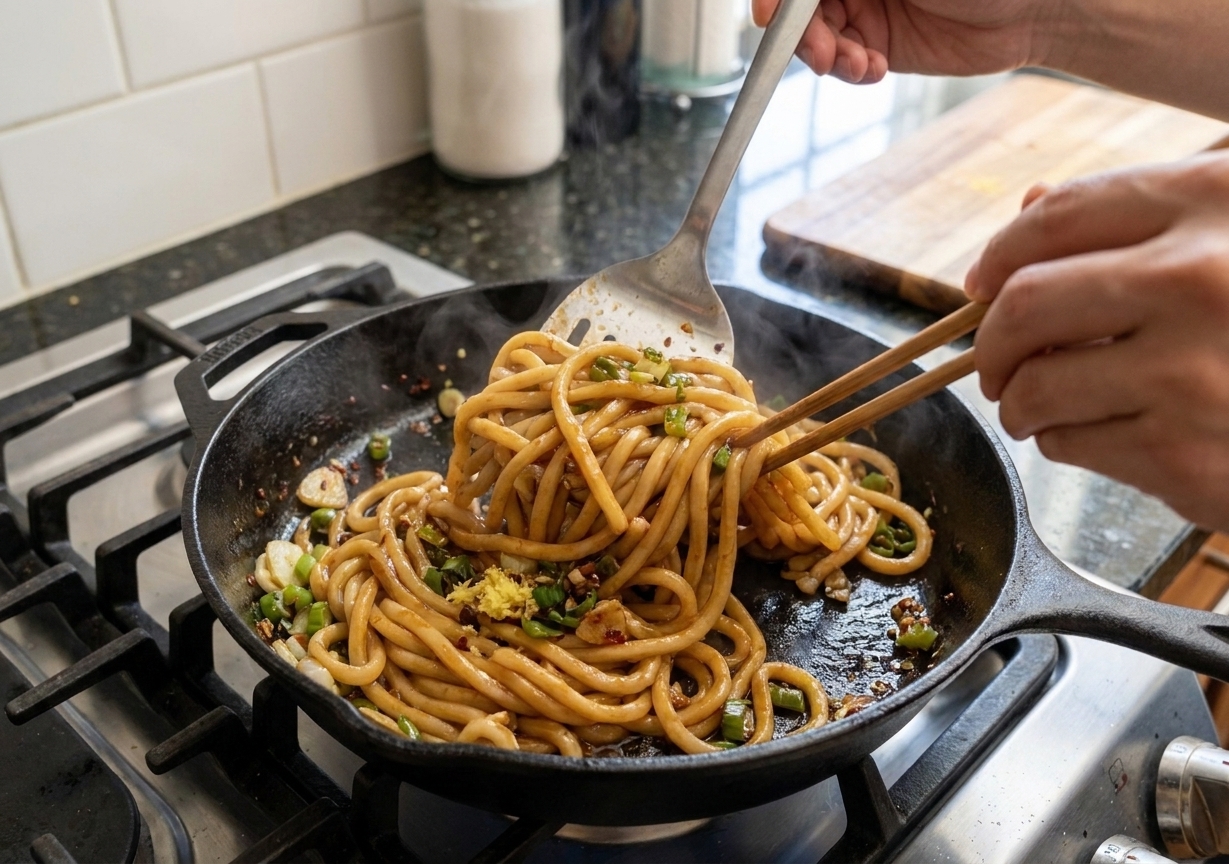
Udon can clump if it is not loosened first, but the bigger culprits are overcooking and letting the noodles sit still once they hit the pan. For vacuum-packed or frozen udon, give it a quick dunk in hot water, then separate with chopsticks or tongs before it hits the skillet. Once you add the sauce, keep everything moving, and use a splash of hot water to loosen if needed.

Is chili crisp the same as chili oil?

Not exactly. Chili crisp has crunchy bits (often garlic, onion, chili flakes) and brings texture. Chili oil is smoother. If you only have chili oil, use it, and add a pinch of red pepper flakes plus an extra clove of garlic for a little extra kick.

Can I make it not spicy?

Yep. Skip the chili crisp and use a tiny drizzle of toasted sesame oil for flavor. You can also add a little extra brown sugar to keep the sauce cozy and balanced.

What protein works best?

Eggs, shrimp, chicken thighs, tofu, or thin-sliced beef all play nicely. For a fast move, top each bowl with a soft fried egg and let the yolk join the sauce.

When do I cook the protein?

If you are adding shrimp, chicken, beef, or tofu, cook it first in the hot skillet with a little oil until just done, then transfer to a plate. Stir-fry the aromatics and veggies next, then add the protein back in when you toss the udon with the sauce so it stays juicy and does not overcook.

Any allergy or gluten notes?

This recipe contains soy and sesame. Tamari is usually gluten-free, but only if it is labeled gluten-free, so check the bottle if that matters for your household.

What if my sauce tastes too salty?

Soy sauce brands vary a lot. If you are sensitive to salt, start with low-sodium soy sauce, or loosen the finished noodles with a tablespoon or two of hot water. A small extra splash of rice vinegar can also brighten things up if the salt feels loud.

I started making udon on nights when I wanted comfort food but did not want a sink full of dishes. The first time I nailed the sauce, I remember standing over the pan like a goblin, tasting noodles straight from the tongs and fixing it with a little more vinegar, then a little more chili crisp, then a little more garlic. It was chaotic. It was perfect. Now it is one of my favorite ways to turn whatever is in the fridge into something that feels like an actual dinner.