Mom's Best Recipes
Recipe

Tamagoyaki (Japanese Rolled Omelet)

A tender, lightly sweet rolled omelet with neat layers and golden edges, made with pantry-friendly ingredients and a simple pan method.

Author By Matt Campbell
4.8
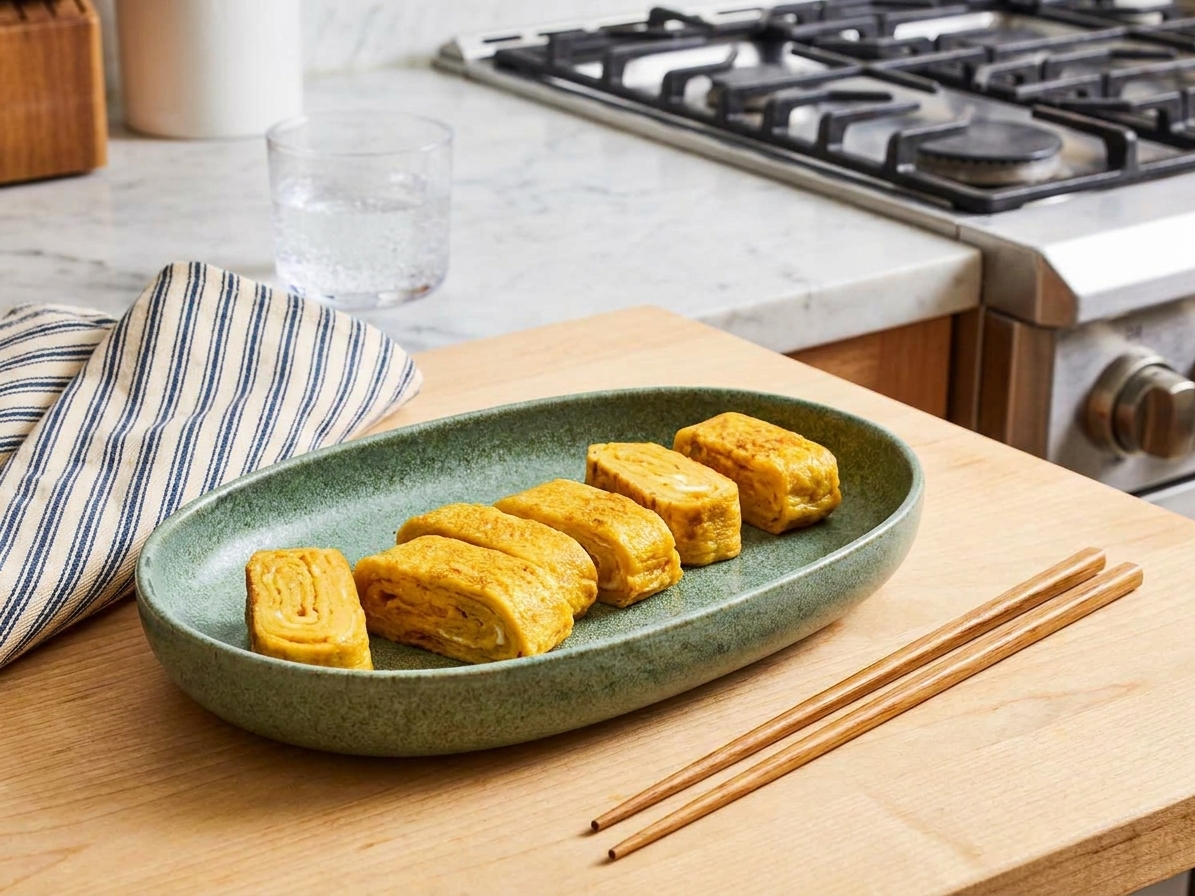
A neatly sliced tamagoyaki rolled omelet arranged on a small ceramic plate with chopsticks on a simple wooden table setting, warm natural kitchen lighting

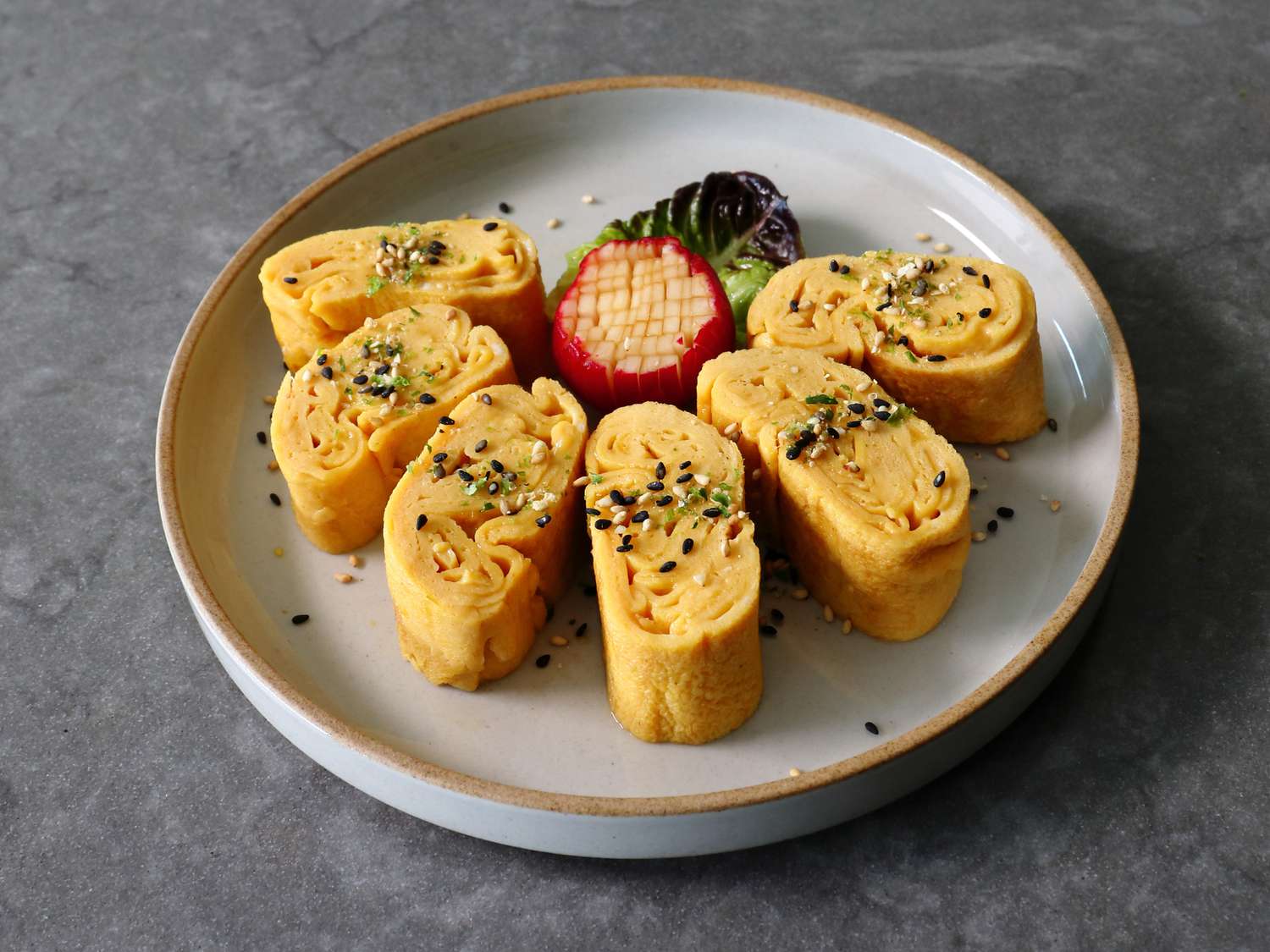
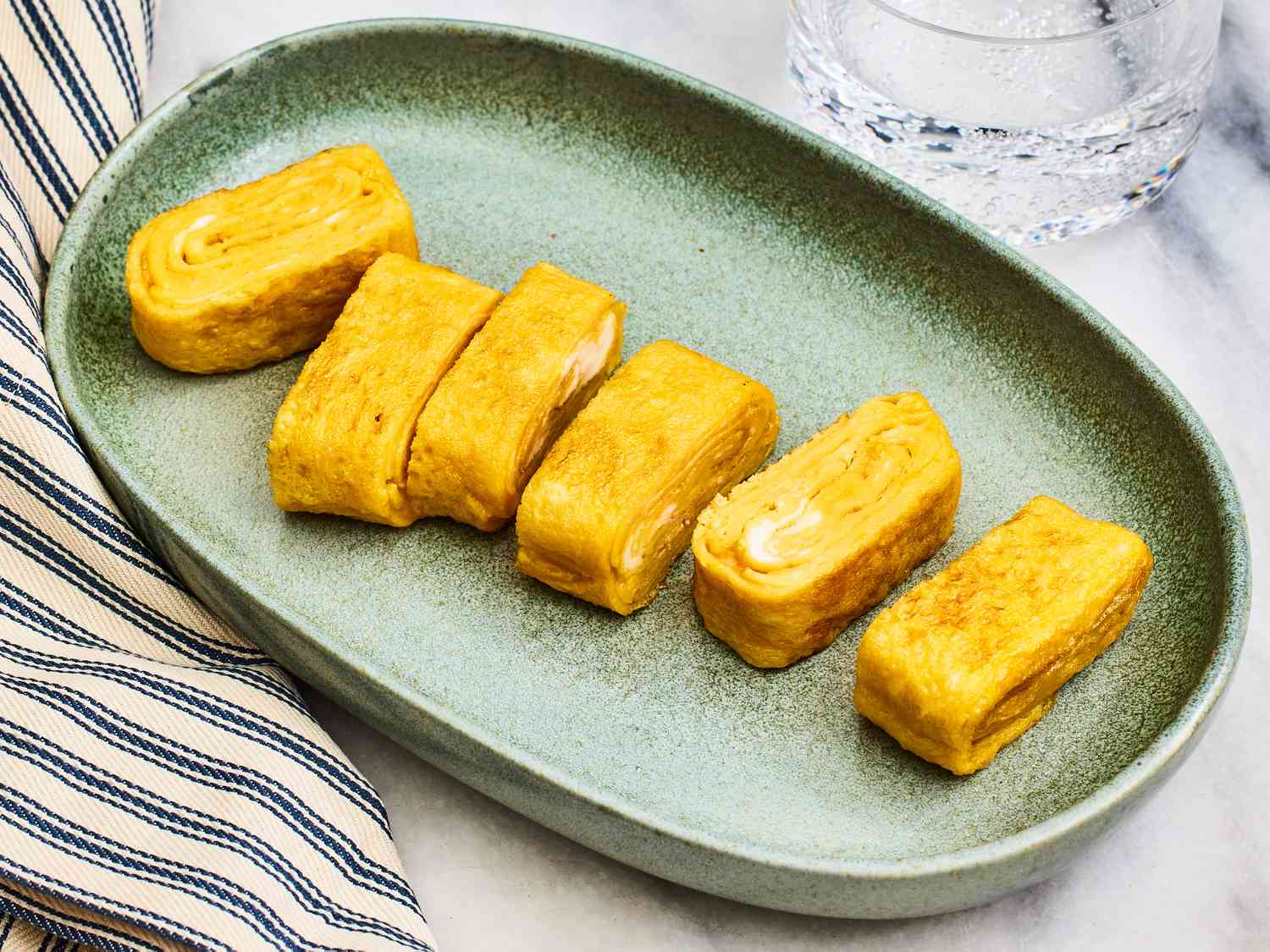
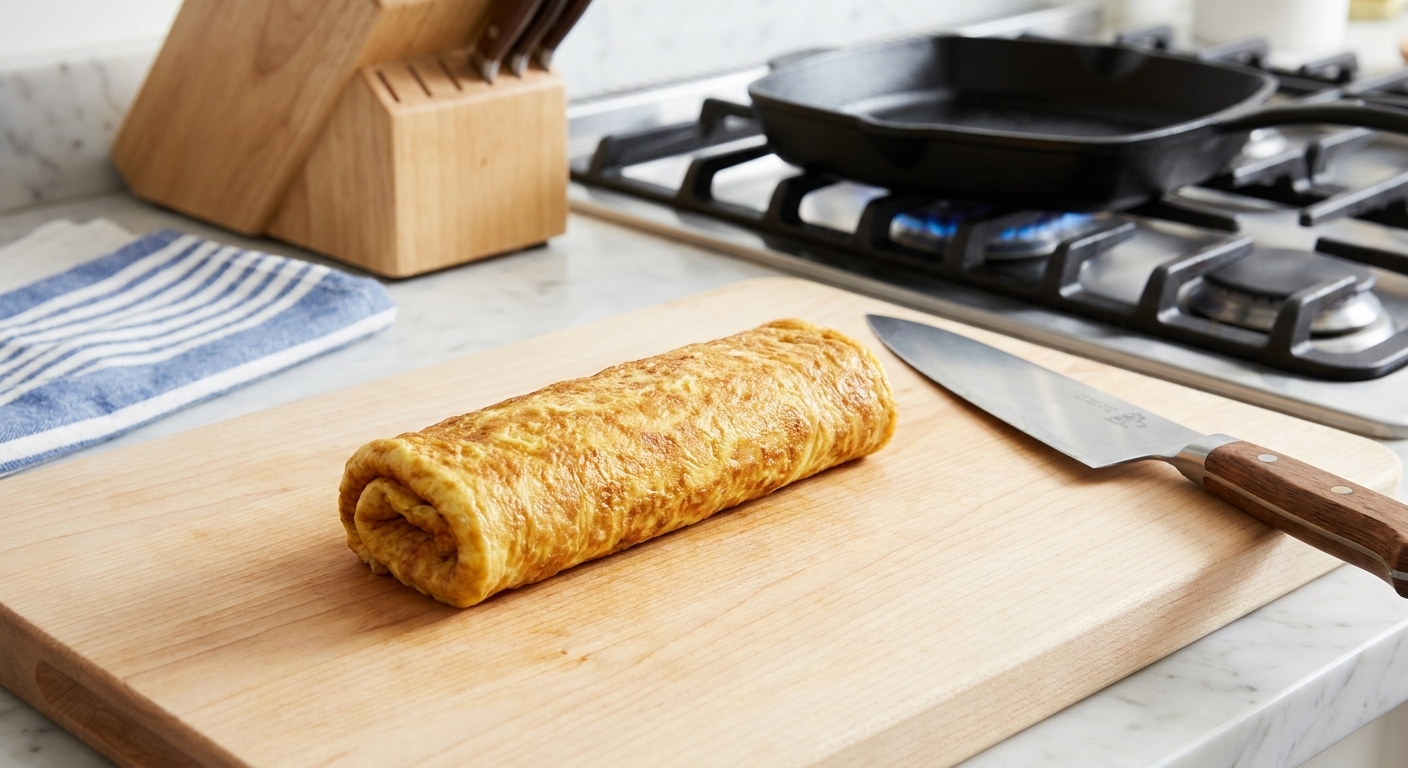
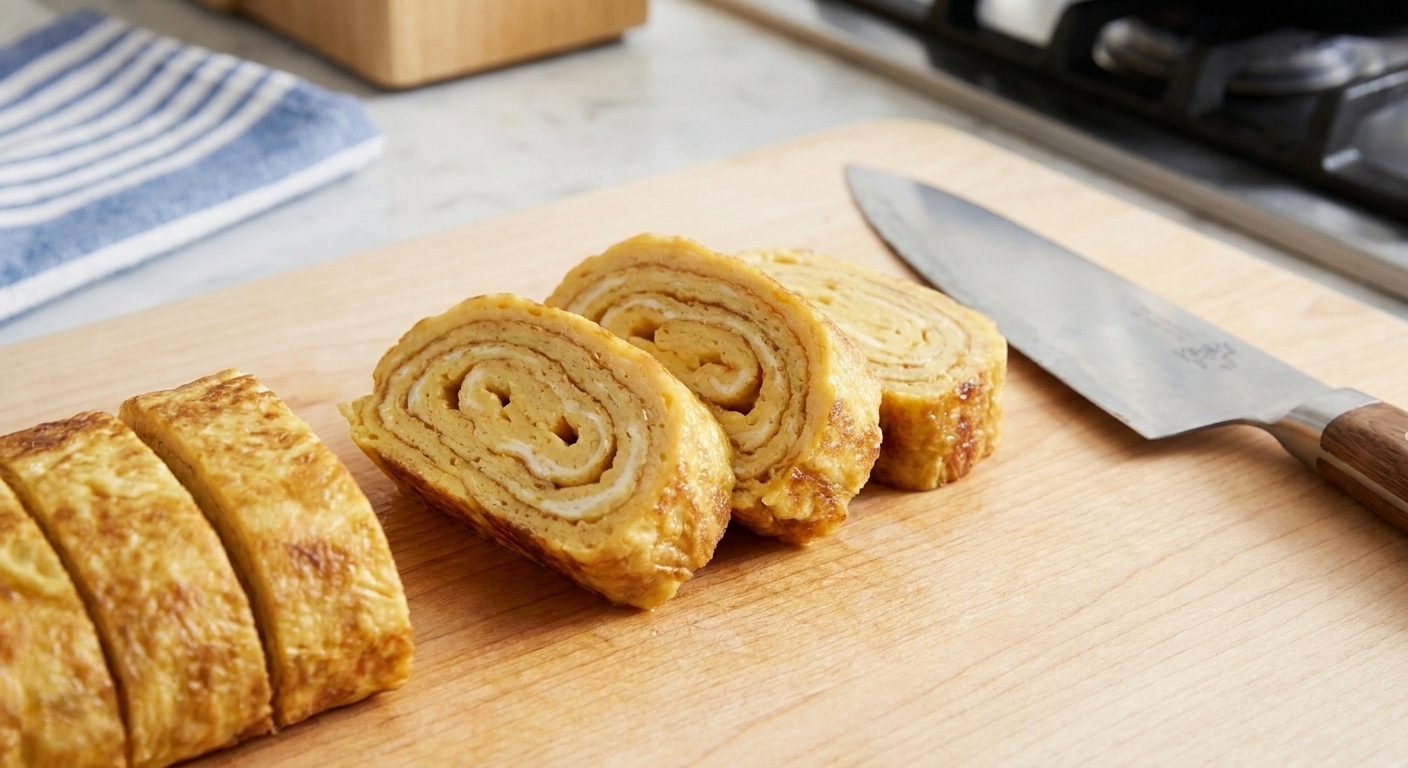
Tamagoyaki is the kind of cooking project that looks fancy, feels a little chaotic the first time, and then becomes weirdly relaxing once your hands figure it out. It is a Japanese rolled omelet cooked in thin layers, gently folded into a fluffy log with those pretty stripes you get when you slice it.

My version keeps the ingredient list tight and the instructions super literal, because tamagoyaki is less about rare ingredients and more about heat control, thin layers, and not panicking when the first roll looks like a crumpled scarf. We fix it. We keep going. It tastes great either way.

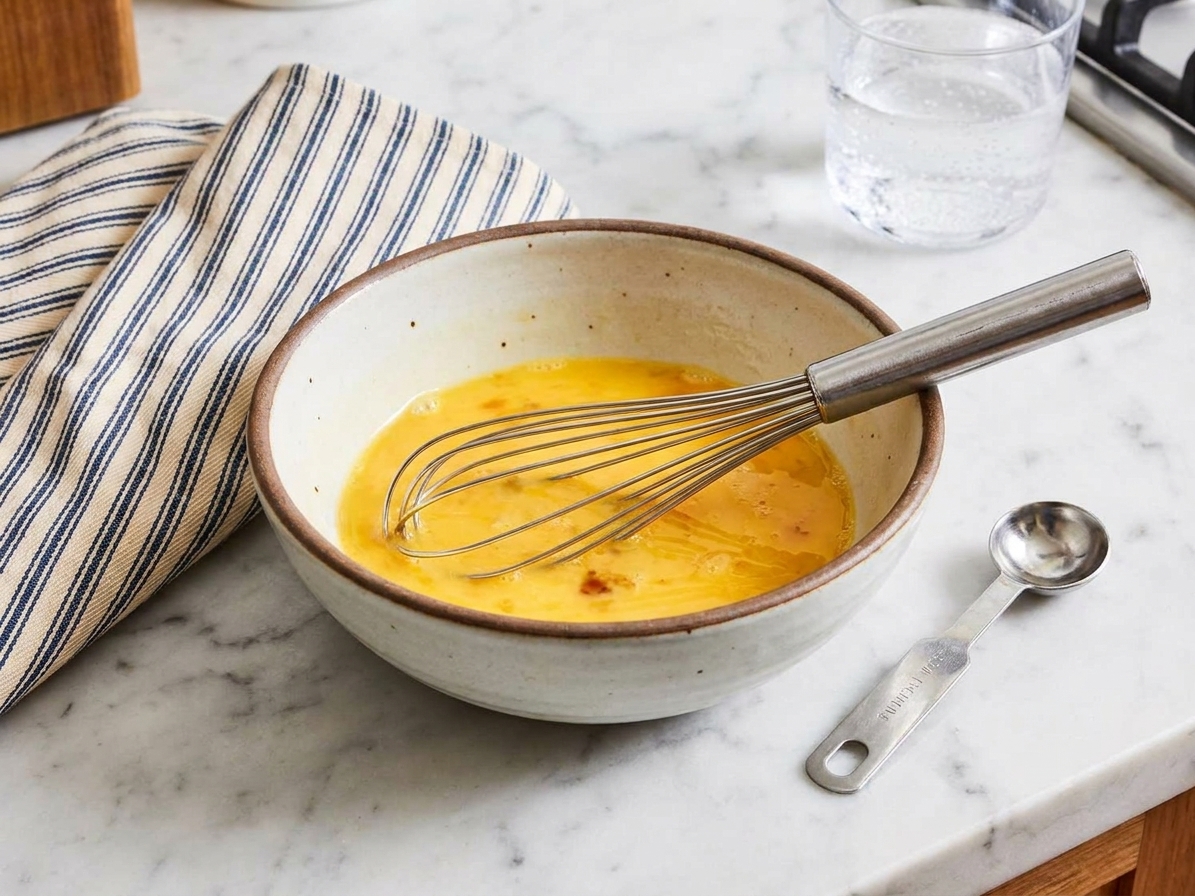
Eggs, soy sauce, mirin, sugar, salt, and a small bowl of dashi arranged on a clean kitchen counter with measuring spoons and a whisk

Why It Works

  • Soft, custardy texture from gentle heat and a little dashi.
  • Balanced flavor that hits sweet, savory, and deeply eggy without being dessert-sweet.
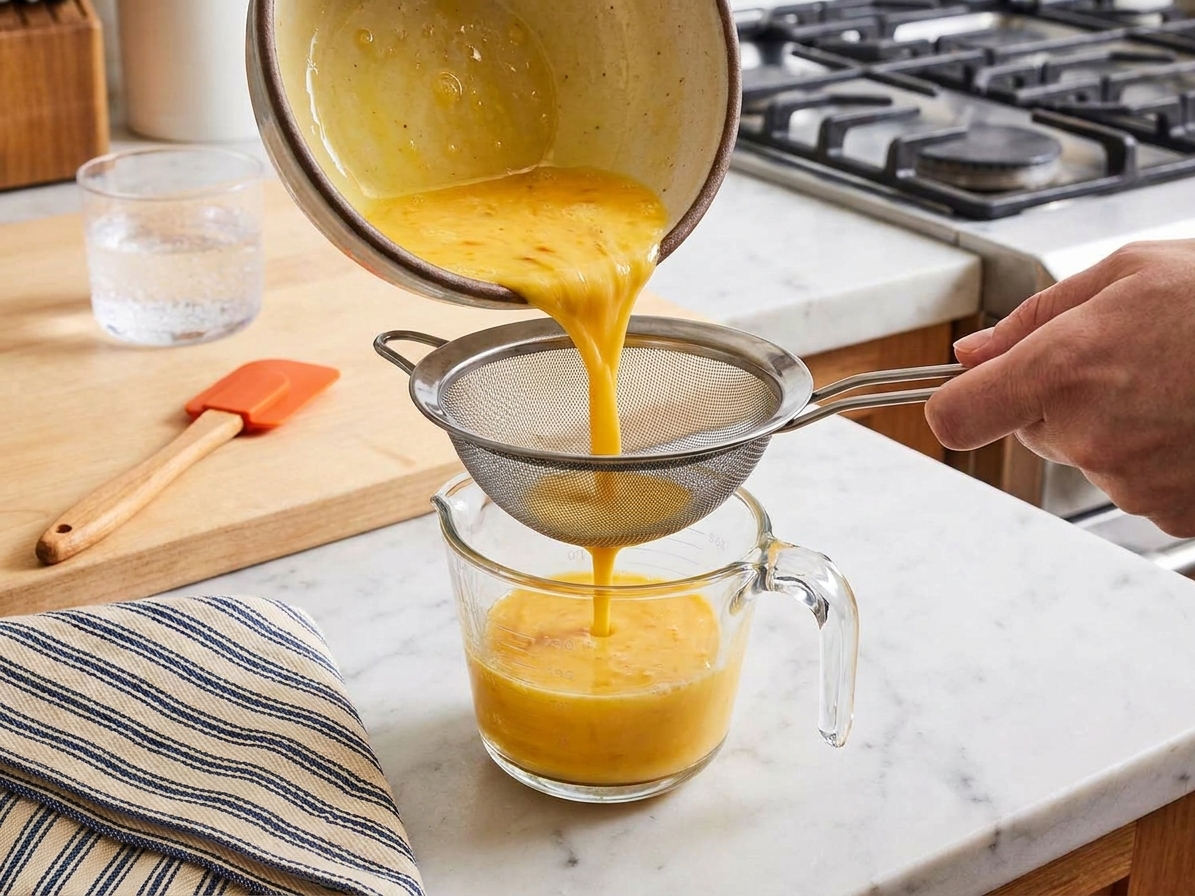
  • Clean layers thanks to straining the eggs and cooking in thin pours.
  • Lunchbox friendly since it slices neatly and holds well in the fridge.

Expect a mild sweetness like good sushi-bar tamagoyaki. If you want it more savory, I have a tweak in the FAQ.

Pairs Well With

Storage Tips

Cool it fast: Let tamagoyaki cool, then wrap tightly in plastic wrap or tuck into an airtight container. For food safety, do not leave it out at room temp for more than 2 hours (or 1 hour if it is very warm).

Refrigerate: Store for up to 3 days. It is great cold in a bento, or you can warm slices gently.

Reheat: Microwave slices in 10 to 15 second bursts just until warm. Overheating turns it rubbery. You can also warm it in a covered skillet on low with a tiny splash of water for steam.

Freeze (optional): You can freeze, but the texture softens. Wrap the whole log or slices tightly, then freeze up to 1 month, best within that first month. Thaw overnight in the fridge.

Common Questions

Do I need a tamagoyaki pan?

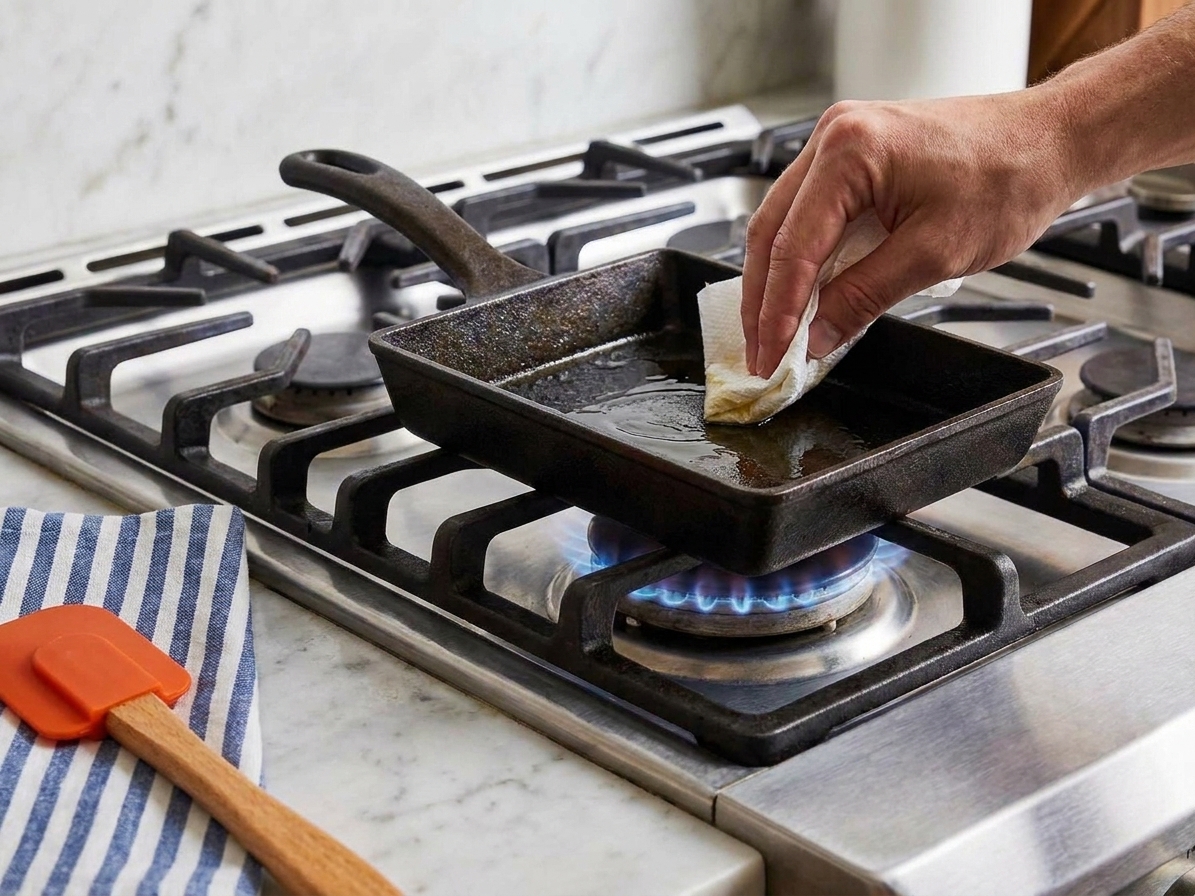
No. A rectangular pan is nice for perfect edges, but a small 8-inch nonstick skillet works great. A 10-inch skillet works too, but the layers will be thinner and you may need a couple extra pours. Your omelet will be more rounded, still delicious.

What is dashi, and what can I use instead?

Dashi is a light Japanese stock (often kombu and bonito). For easiest home cooking: use instant dashi powder mixed with warm water. No dashi? Use low-sodium chicken broth or even water. You will lose a little depth, but the omelet still lands.

Why is my tamagoyaki watery or weeping?

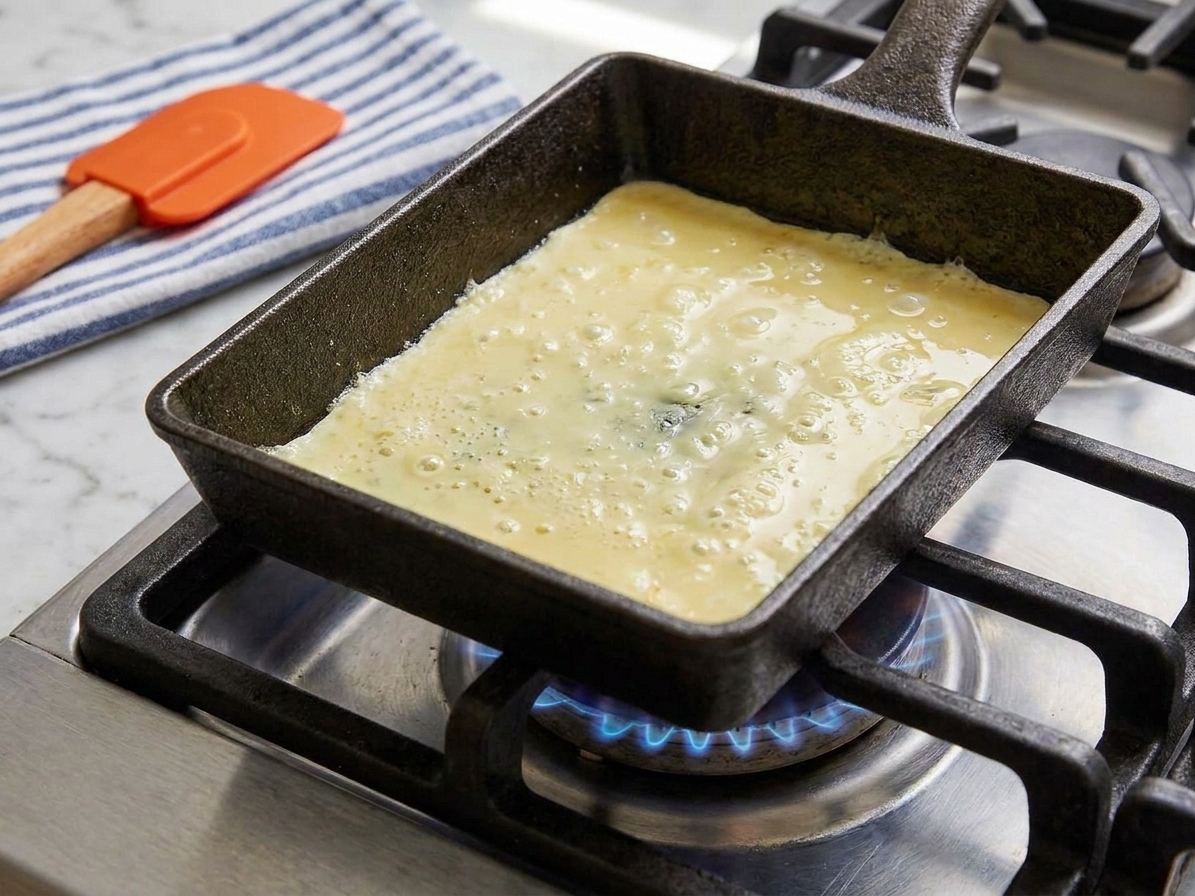
Usually one of two things: the pan is not hot enough so the egg steams instead of setting, or you used a lot of liquid without adjusting heat. Keep layers thin, use medium-low heat, and wait for the surface to be mostly set before rolling.

Why is it browning too much?

Heat is too high. Drop to low and give the pan a few seconds to cool before the next pour. Light golden patches are fine, but if it is getting spotted fast, you are sprinting.

Can I make it less sweet?

Yes. Cut sugar to 1 teaspoon and keep everything else the same. Also note: mirin sweetness varies by brand, so if yours is on the sweeter side, start with less sugar and adjust next time.

What can I add to the layers?

Try chopped scallions, nori strips, or a thin line of cooked spinach. Keep add-ins small and dry so the roll stays tight.

How many layers should I expect?

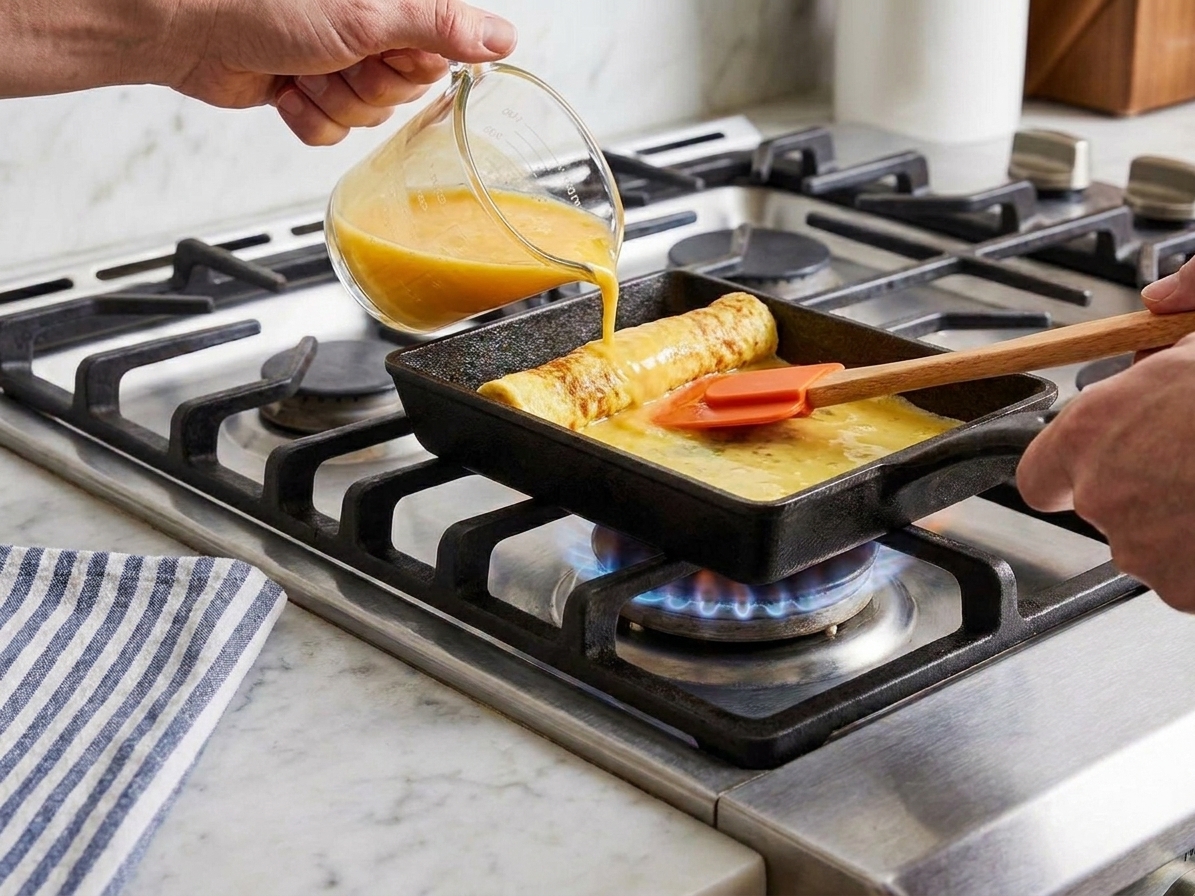
With 6 eggs, you will usually do 5 to 7 thin pours, depending on pan size and how thin you like your layers.

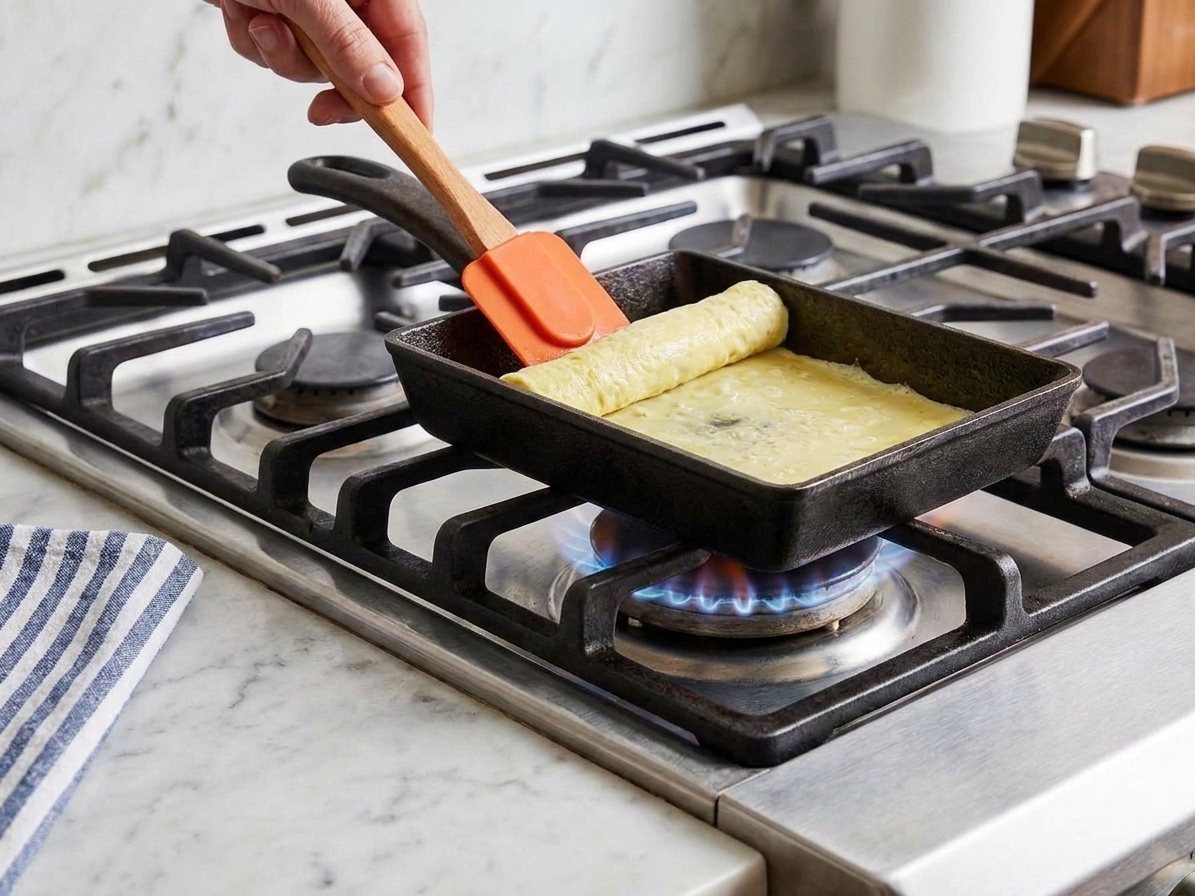
The first time I made tamagoyaki, I treated it like a regular omelet and tried to muscle it into a roll. It came out lumpy, a little too brown, and still got eaten standing at the counter in about three minutes. That is when it clicked for me: this is not about perfection, it is about rhythm. Thin pour, gentle set, roll, repeat. Once your hands find the pattern, tamagoyaki becomes one of those calming, repeatable kitchen wins that makes you feel like you actually have your life together, even if your sink says otherwise.