Common Questions
Is this a tested canning recipe?
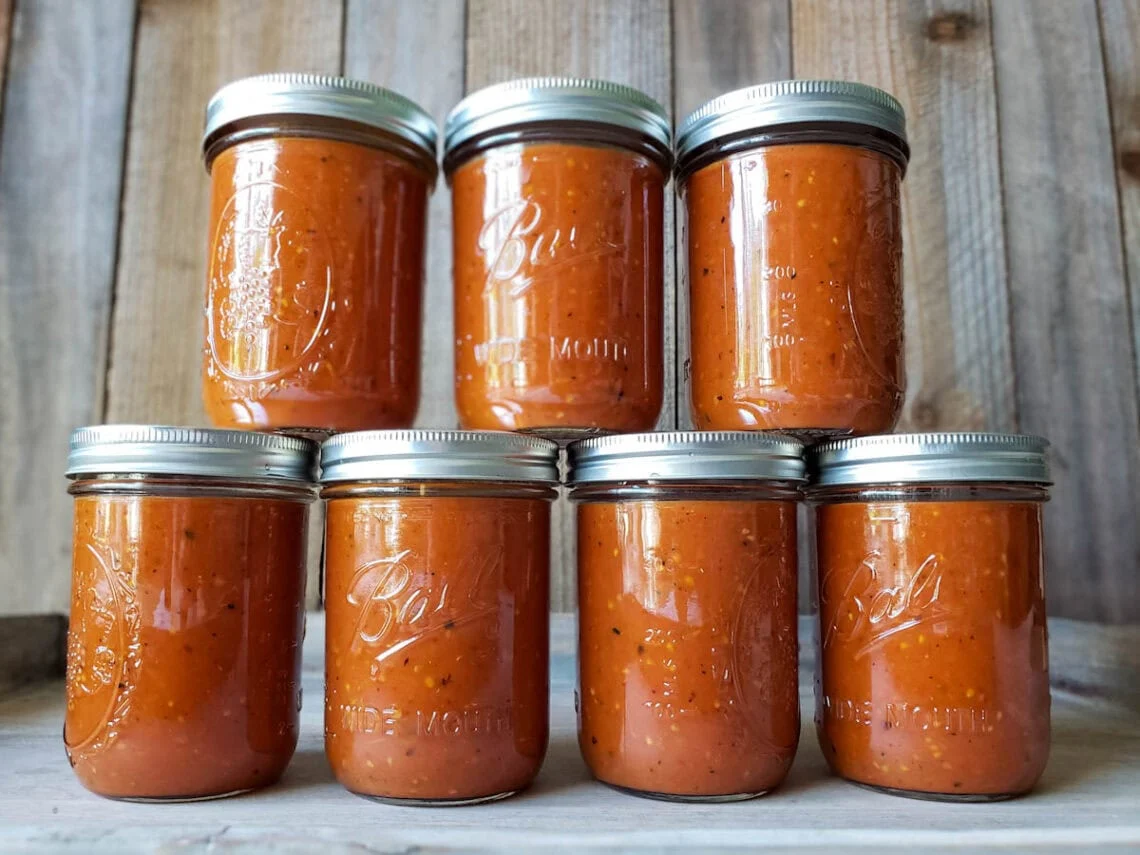
This is a seasoned tomato sauce for water-bath canning written to stay within the spirit of tested, USDA-style tomato guidance: jar-by-jar acidification, modest low-acid add-ins (onion, garlic, oil), and a tested-style water-bath process.
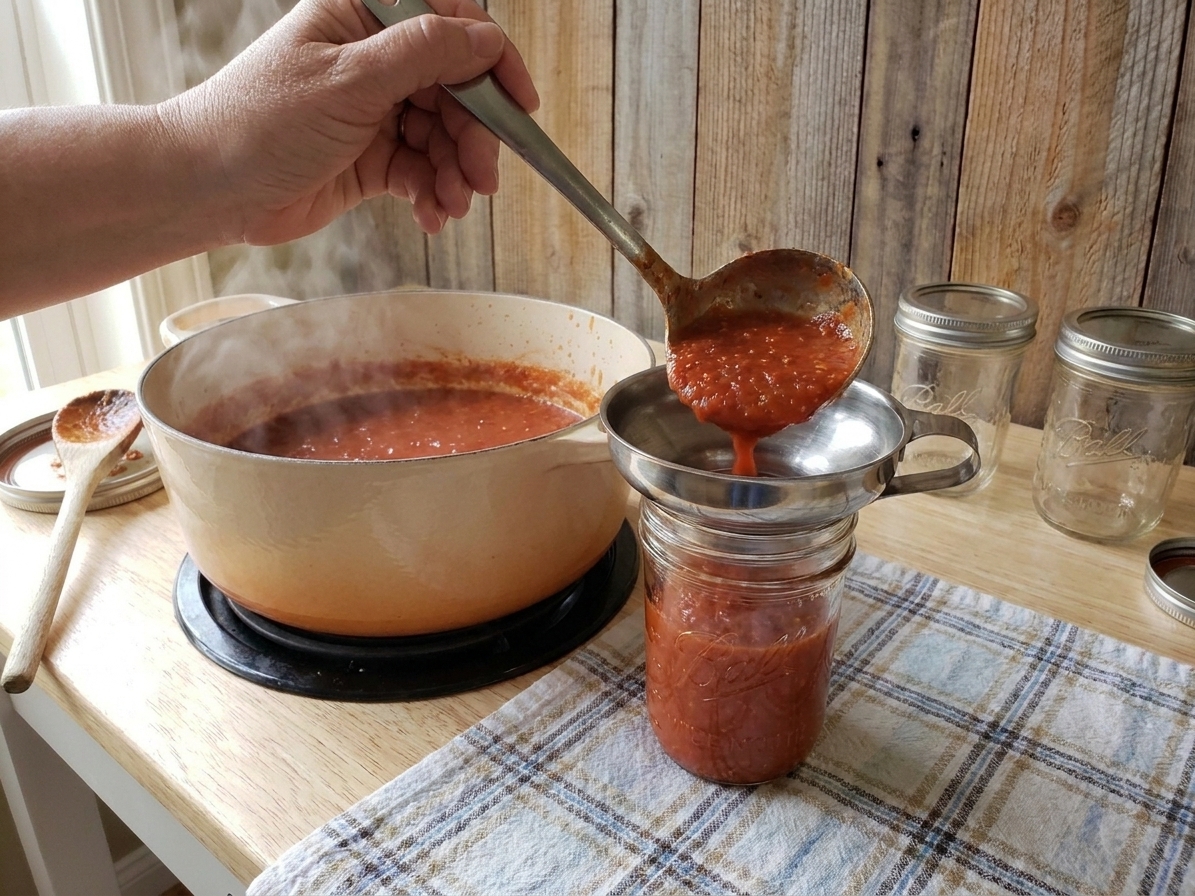
For the processing time and headspace used here (1/2-inch headspace; 40 minutes for pints and quarts, with altitude adjustments), the reference point is the tested recipe “Basil-Garlic Tomato Sauce” in the Ball Complete Book of Home Preserving (Judi Kingry and Lauren Devine, 2006).
Important: Acidification does not make any random “freestyle” tomato sauce safe. Safety comes from a tested formulation plus the tested processing method. Do not increase the onion, garlic, oil, or add extra vegetables unless you are using a tested pressure-canning recipe made for that.
Do I have to add lemon juice or citric acid?
For water-bath canning, yes. Acidification is what helps keep tomatoes reliably in the safe zone for shelf storage. Add it to each jar before filling: bottled lemon juice or citric acid are the standard options.
Can I use vinegar instead?
Not as a casual swap. Vinegar is not a direct substitute for bottled lemon juice or citric acid unless a tested recipe specifically tells you the exact type and amount to use.
Can I water-bath can tomato sauce with onion, garlic, and oil?
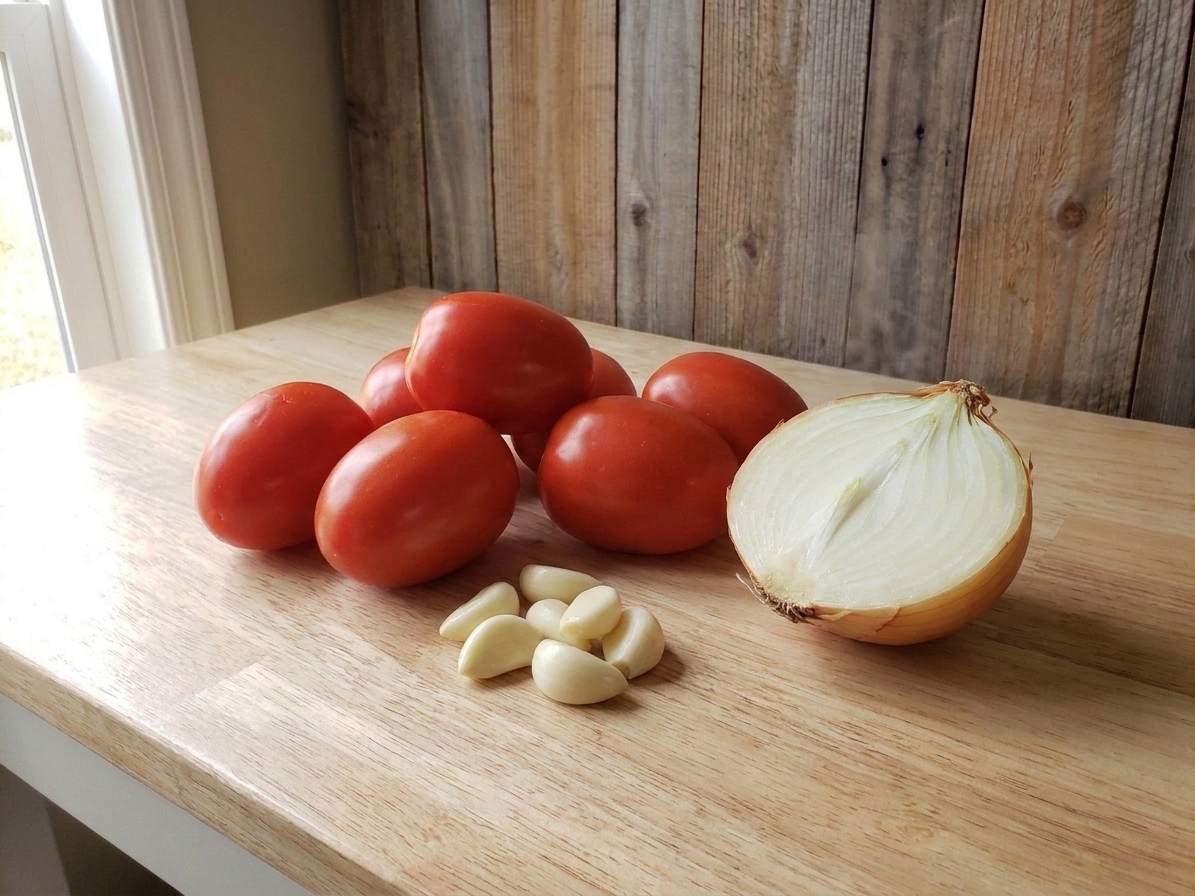
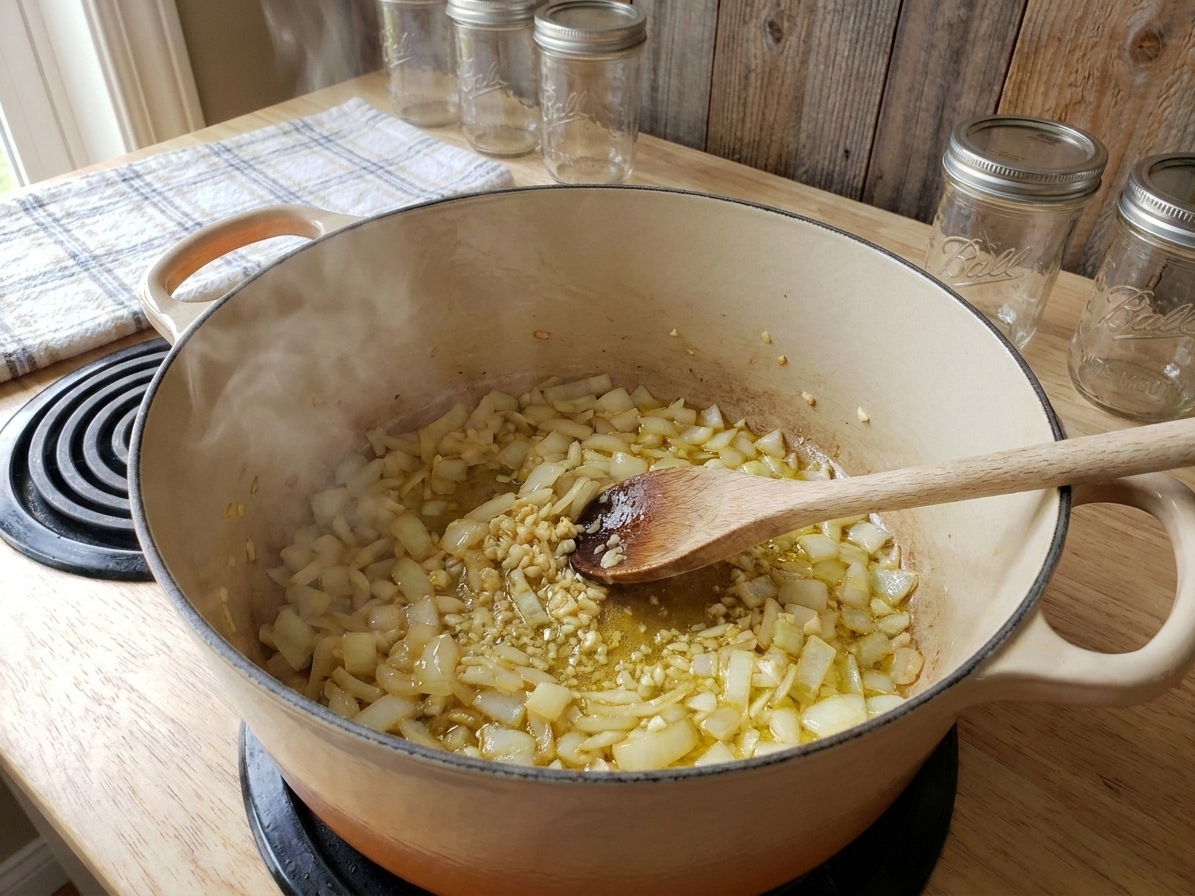
Only in small, tested amounts. This sauce keeps onion and garlic modest and uses just a little oil for flavor, while relying on proper jar-by-jar acidification and a tested-style processing time. Still, do not increase the onion, garlic, or oil here.
If you want a sauce with lots of onion and garlic, or you want to add peppers, mushrooms, or other vegetables, use a pressure canner and a tested recipe designed for that (examples include “spaghetti sauce without meat” style recipes from Ball, Bernardin, or NCHFP).
Can I water-bath can tomato sauce with meat?
No. Meat changes the safety requirements. If you want a meat sauce, you need a pressure canner and a recipe designed for it.
Can I add fresh basil or fresh herbs before canning?
You can, but I recommend using dried herbs for canning. The flavor stays consistent and you avoid adding extra plant material that can change the texture. Save fresh basil for when you open the jar.
Why can’t I just use any lemon juice?
Use bottled lemon juice for canning because its acidity is standardized. Fresh lemons vary a lot, and canning is not the moment for mystery pH.
My sauce looks separated in the jar. Is it bad?
Separation is common with tomatoes. As long as the jar is sealed and processed correctly, it is usually a quality issue, not a safety issue. Shake the jar after opening or stir while heating.
Do sweet or low-acid tomatoes change anything?
Even if your tomatoes are very sweet, very ripe, or a low-acid variety, you still need to acidify every jar for water-bath canning. Tomato acidity varies more than people think.
Can I skip the onion and garlic?
Yes. They are there for flavor. The safety pieces are the added acid and following the tested headspace and processing time.
Can I use bigger jars?
Stick to the jar sizes written here (pints or quarts). Do not can in half-gallon jars for this style of product unless you are following a tested recipe that specifically allows it.
Do I need special lids?
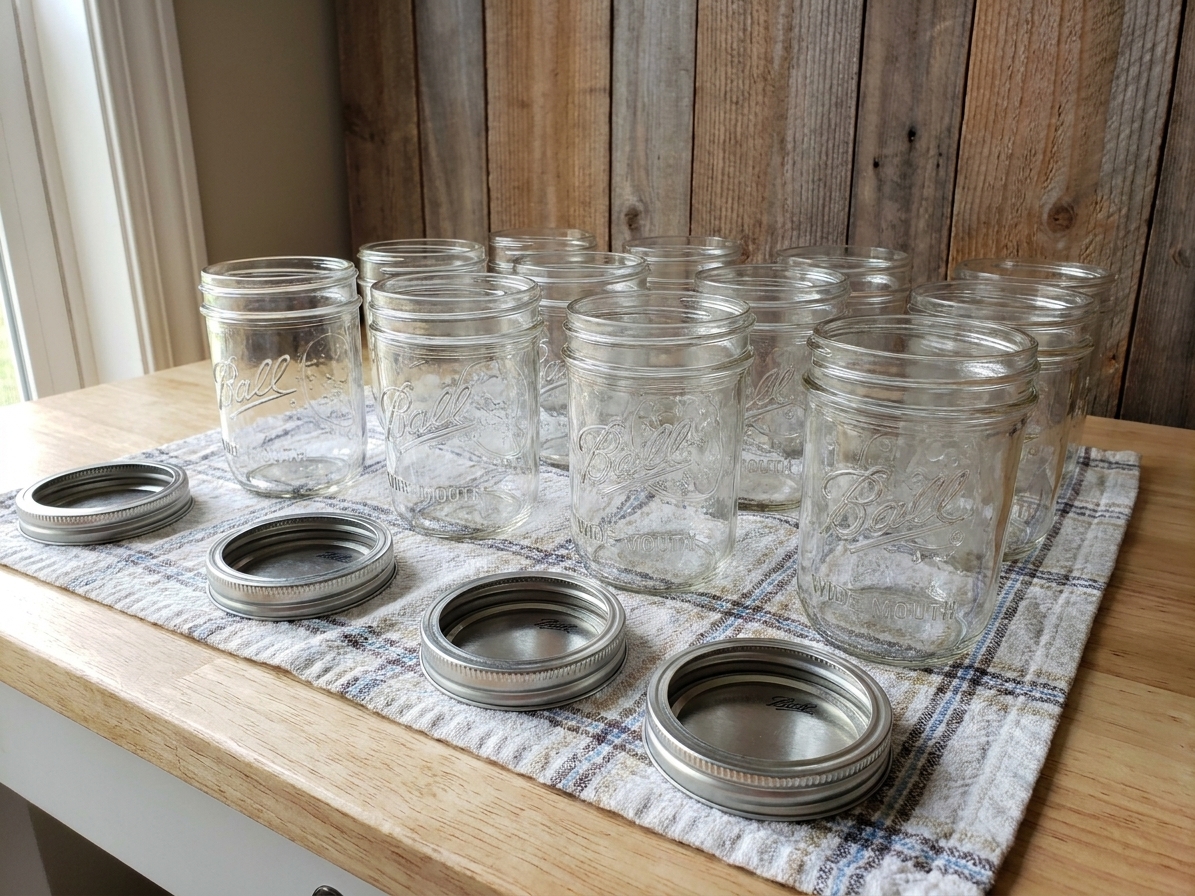
Use 2-piece canning lids (flat lid plus band) designed for home canning. Follow the lid manufacturer’s directions for handling and tightening.