Mom's Best Recipes
Recipe

Tourtière (French-Canadian Meat Pie)

A flaky double-crust meat pie with ground pork, potato, and warm holiday spices like clove and cinnamon.

Author By Pip
4.8
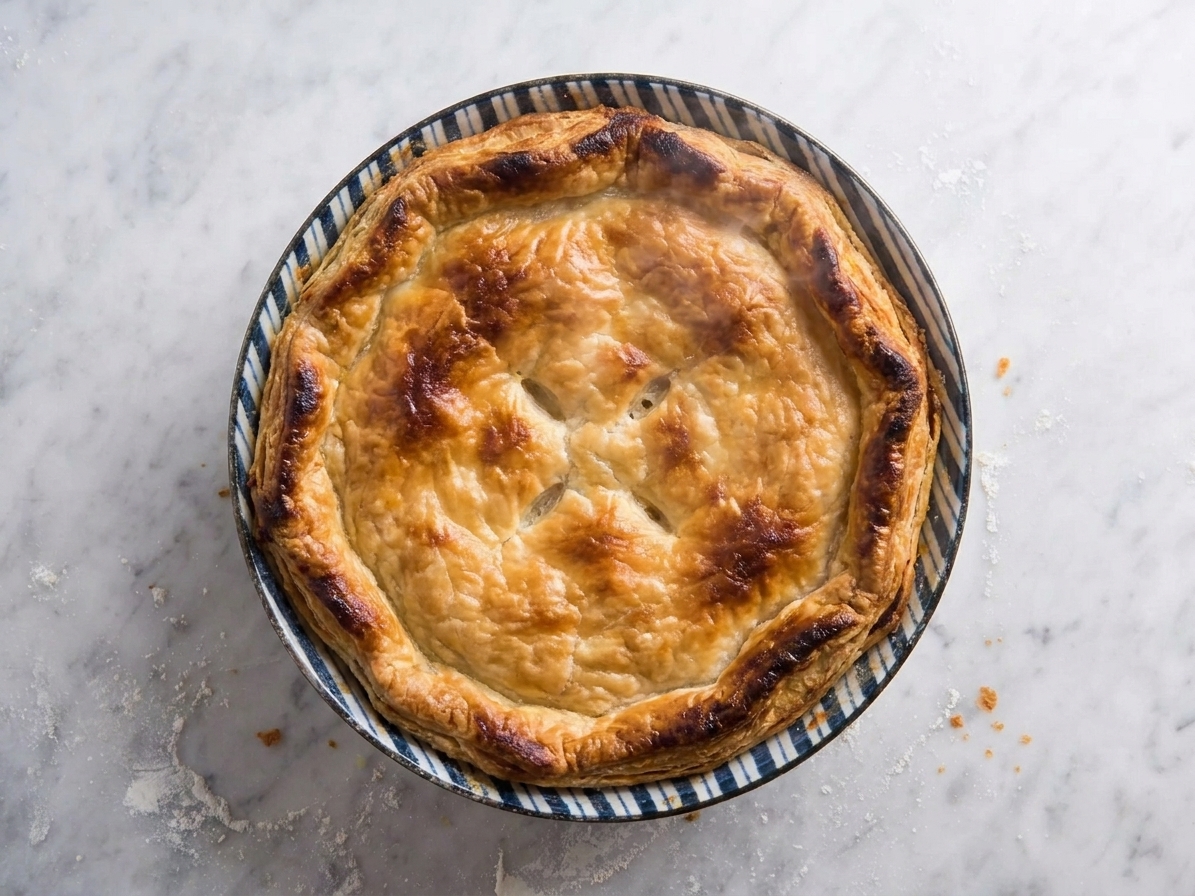
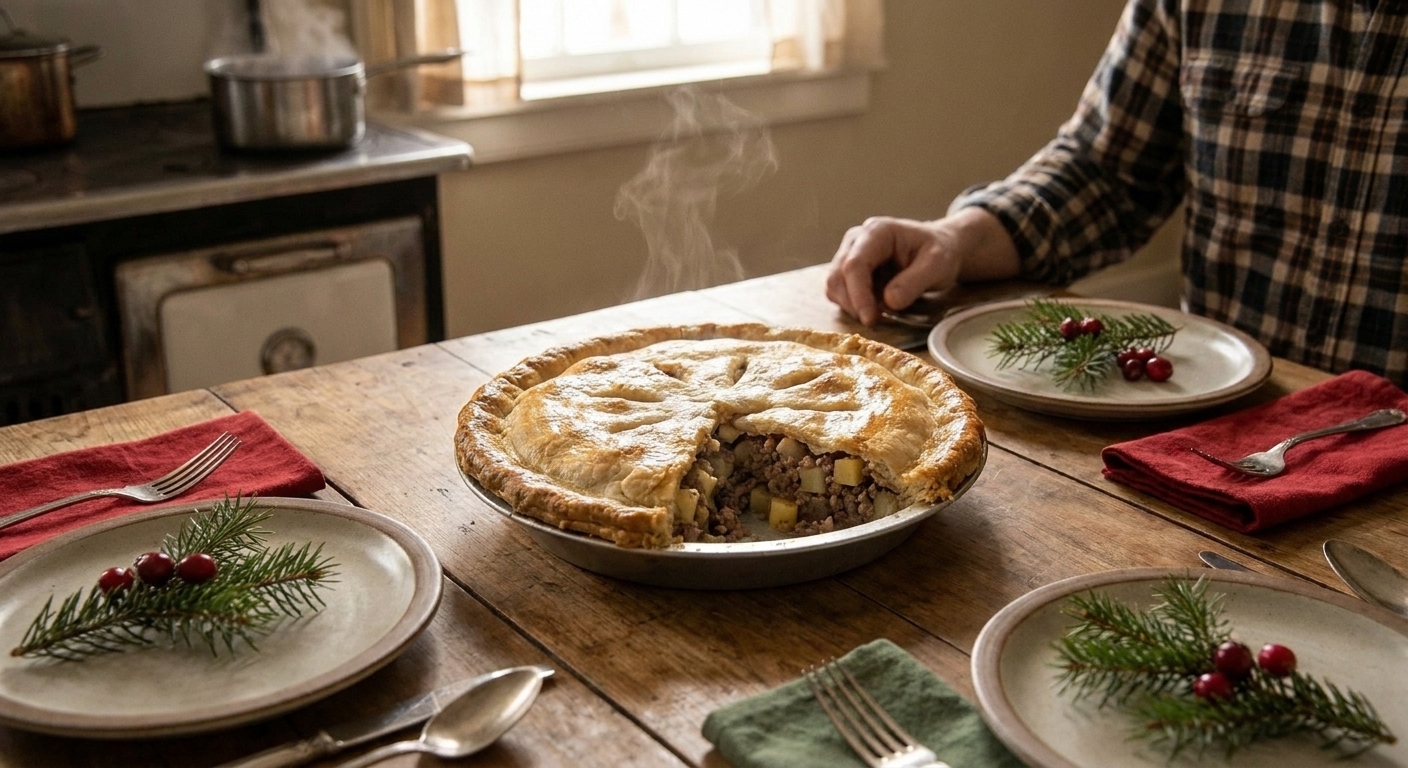
A golden brown French-Canadian tourtière in a pie dish with a flaky double crust and steam vents on top, sliced to show the spiced pork and potato filling on a cozy kitchen table

Small paws, big appetite, and a soft spot for comfort food.

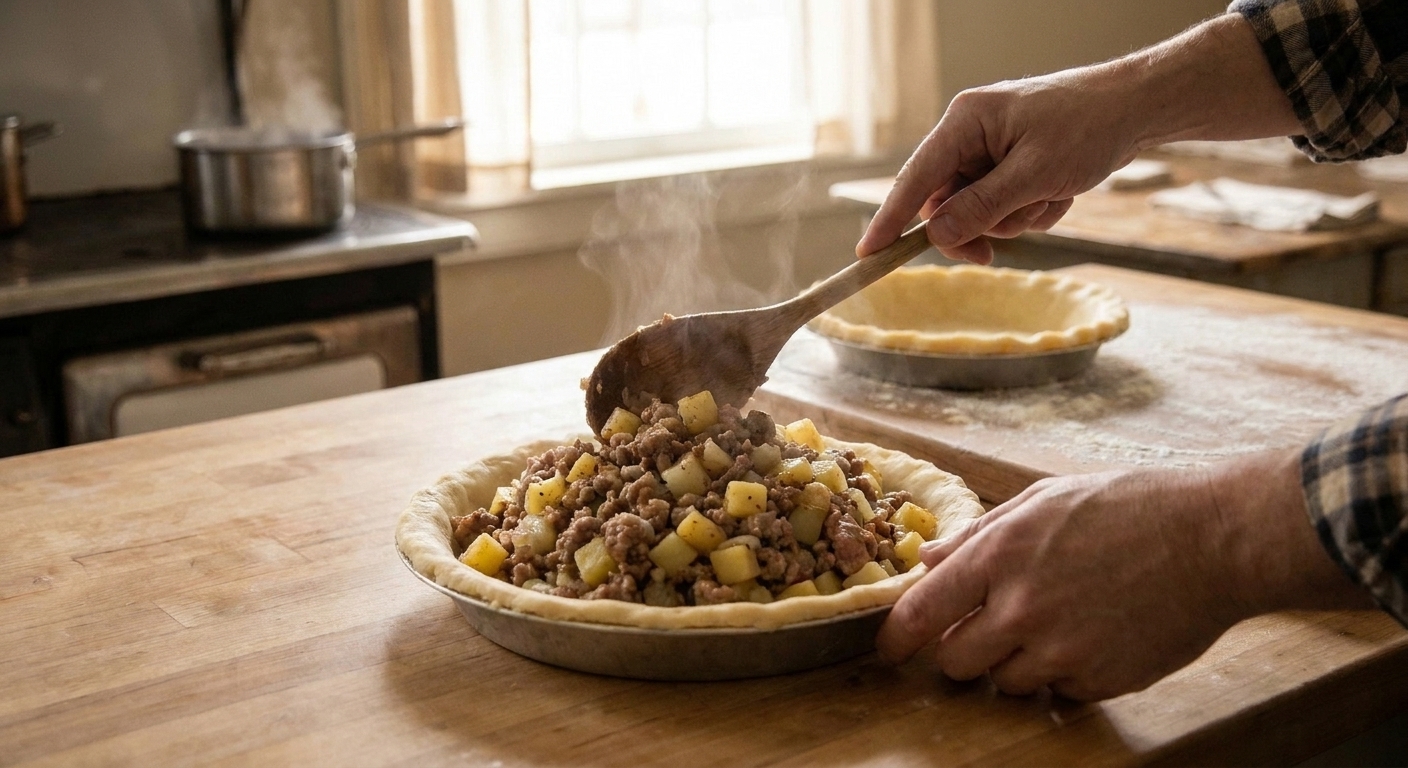
Tourtière is one of those dishes that makes a kitchen feel instantly festive. It is a French-Canadian meat pie with a gently spiced filling, tucked into a double crust that turns crisp and flaky as it bakes. This version leans into a holiday-style pairing of ground pork and potato, plus that familiar whisper of clove and cinnamon that says, yes, this belongs on a winter table.

My goal here is simple: a filling that is hot all the way through and a pastry that stays light and flaky, not soggy. I will show you how to build the right crust thickness, how to vent properly, and how to use a quick temperature check so the center is truly steaming before you serve.

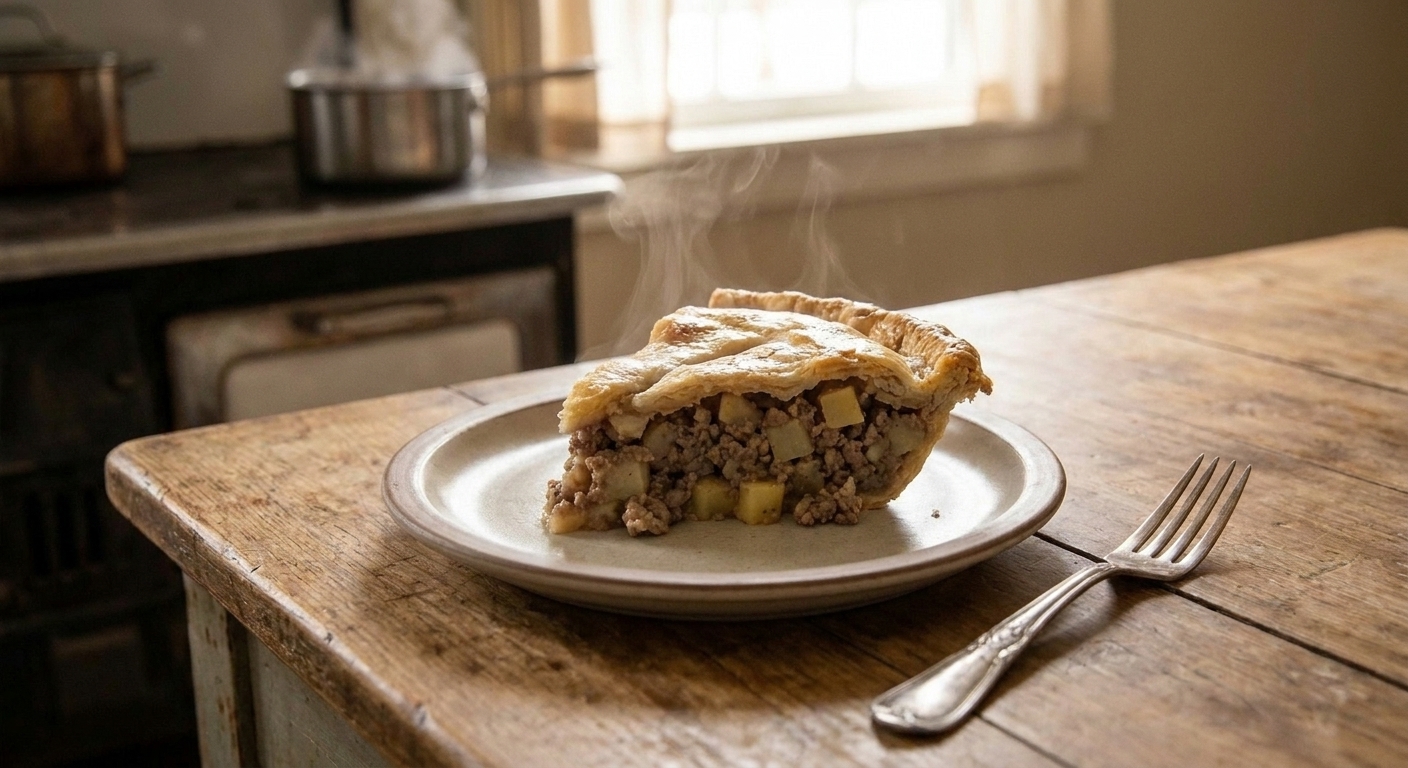
A single slice of tourtière on a plate showing a thick layer of spiced pork and potato filling beneath a flaky top crust, with a fork beside it on a wooden table

Why It Works

  • Tourtière-style flavor: savory pork and potato with warm spices, especially clove and cinnamon, balanced so they are cozy, not perfume-y.
  • Flaky double crust: a bottom crust sturdy enough to hold the filling and a top crust thin enough to crisp and shatter pleasantly.
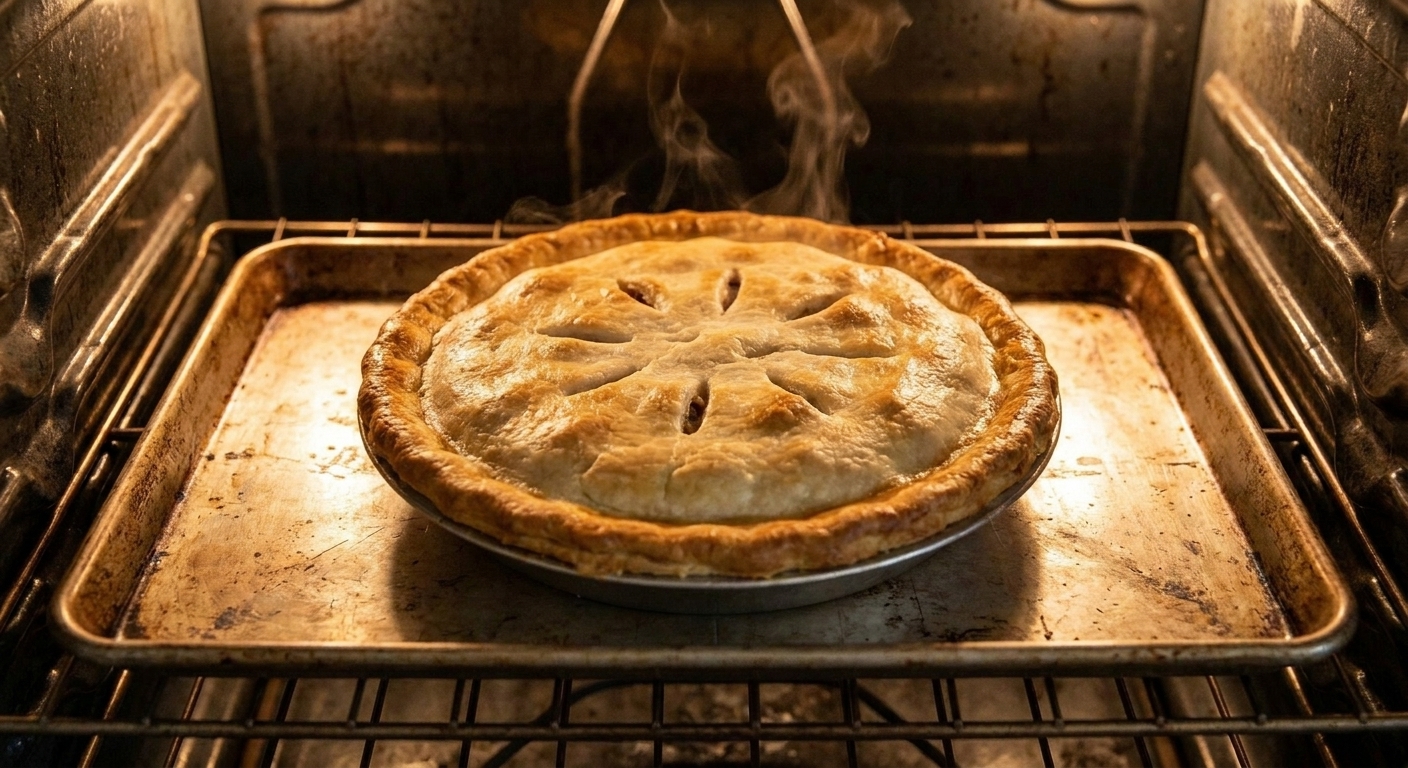
  • Hot filling, crisp pastry: the filling is pre-cooked, then baked until the center hits 165°F, while vents and an egg wash help the crust bake up dry and golden.
  • Holiday-friendly timing: the filling can be made ahead, and the pie can be assembled early so baking is the only job left.

Pairs Well With

Storage Tips

Storage Tips

Refrigerate: Cool leftover tourtière, cover, and refrigerate for up to 4 days.

Reheat without soggy crust: Warm slices on a sheet pan in a 350°F oven for 12 to 18 minutes. If the crust is already browned, tent loosely with foil for the first half, then uncover to re-crisp.

Freeze baked pie: Wrap cooled slices or the whole pie tightly and freeze up to 2 months. Thaw overnight in the fridge, then reheat at 350°F until hot in the center.

Freeze unbaked pie: Assemble the pie, freeze until firm, then wrap well. Bake from frozen at 400°F for 20 minutes, then reduce to 350°F and continue until deeply golden and the center reads 165°F, 50 to 70 minutes more. If the top browns too fast, tent with foil.

Common Questions

Common Questions

What makes tourtière taste like tourtière?

Tourtière has a lot of regional and family variations (pork-only, mixed meats, sometimes potato, sometimes not). In many holiday versions, the familiar thread is a warm spice profile, often featuring clove with a touch of cinnamon. The potato, when used, also matters because it softens and binds the filling, giving the pie a hearty, sliceable texture.

How much clove and cinnamon should I use?

For a 9-inch pie, a good starting point is 1/8 teaspoon ground cloves and 1/4 teaspoon cinnamon. You should notice warmth, not sweetness. If you love a bolder holiday spice note, increase cinnamon first, not clove.

Should the filling be cooked before baking?

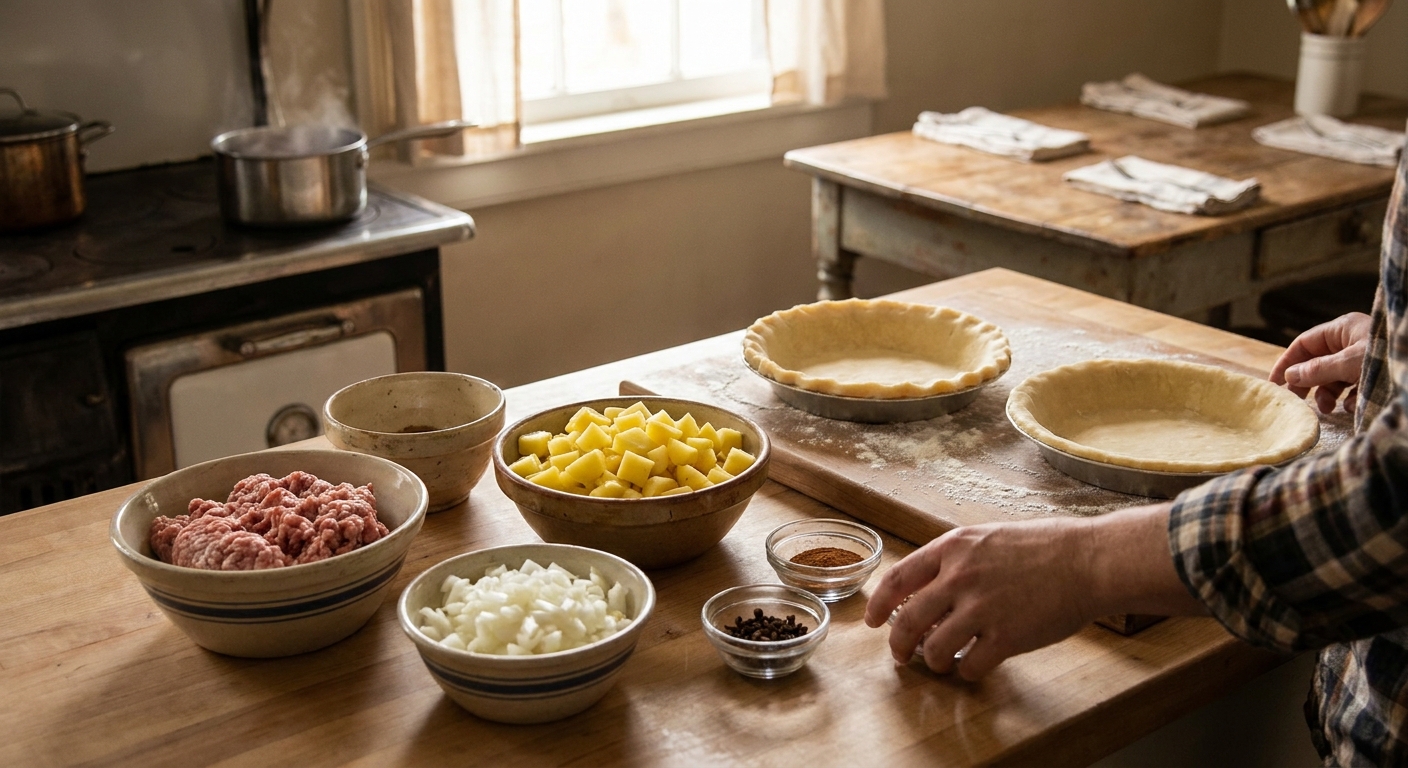
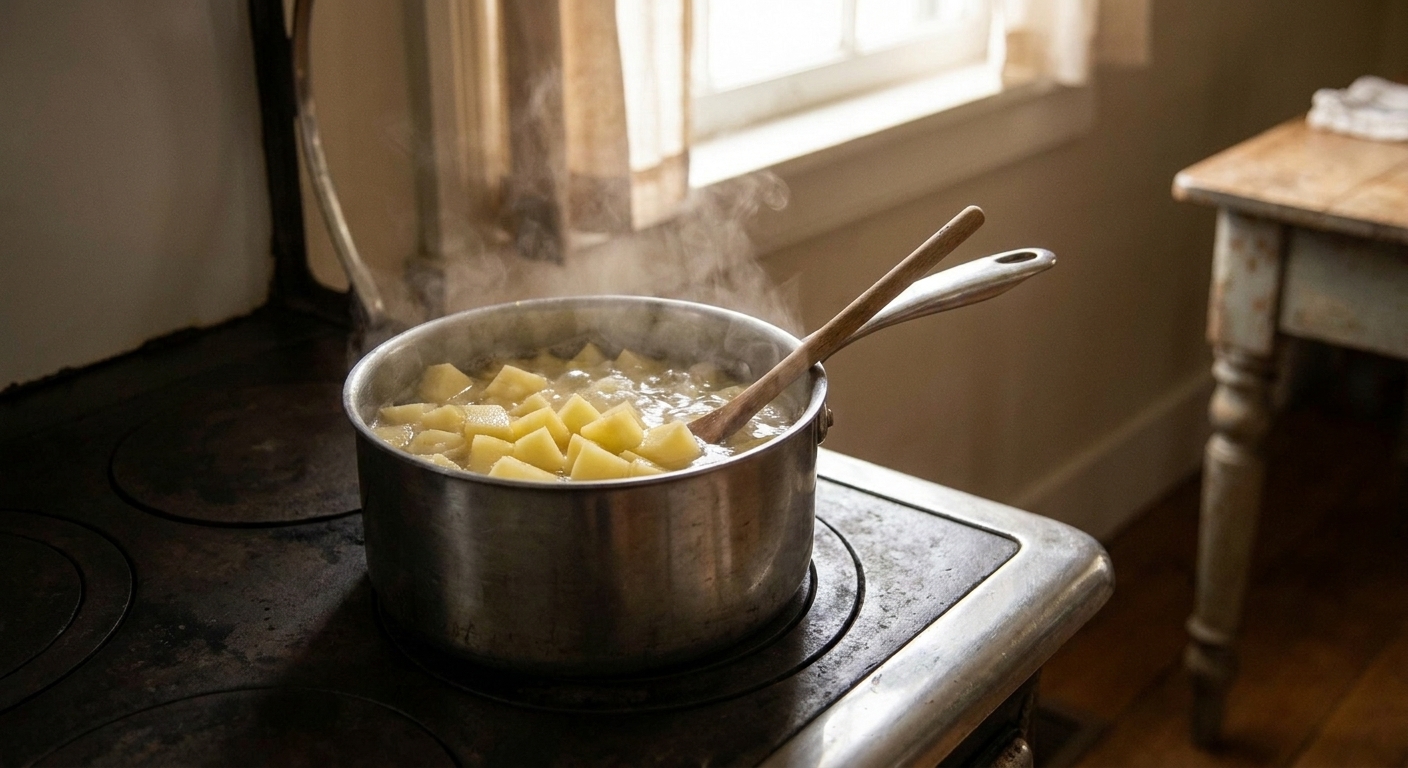
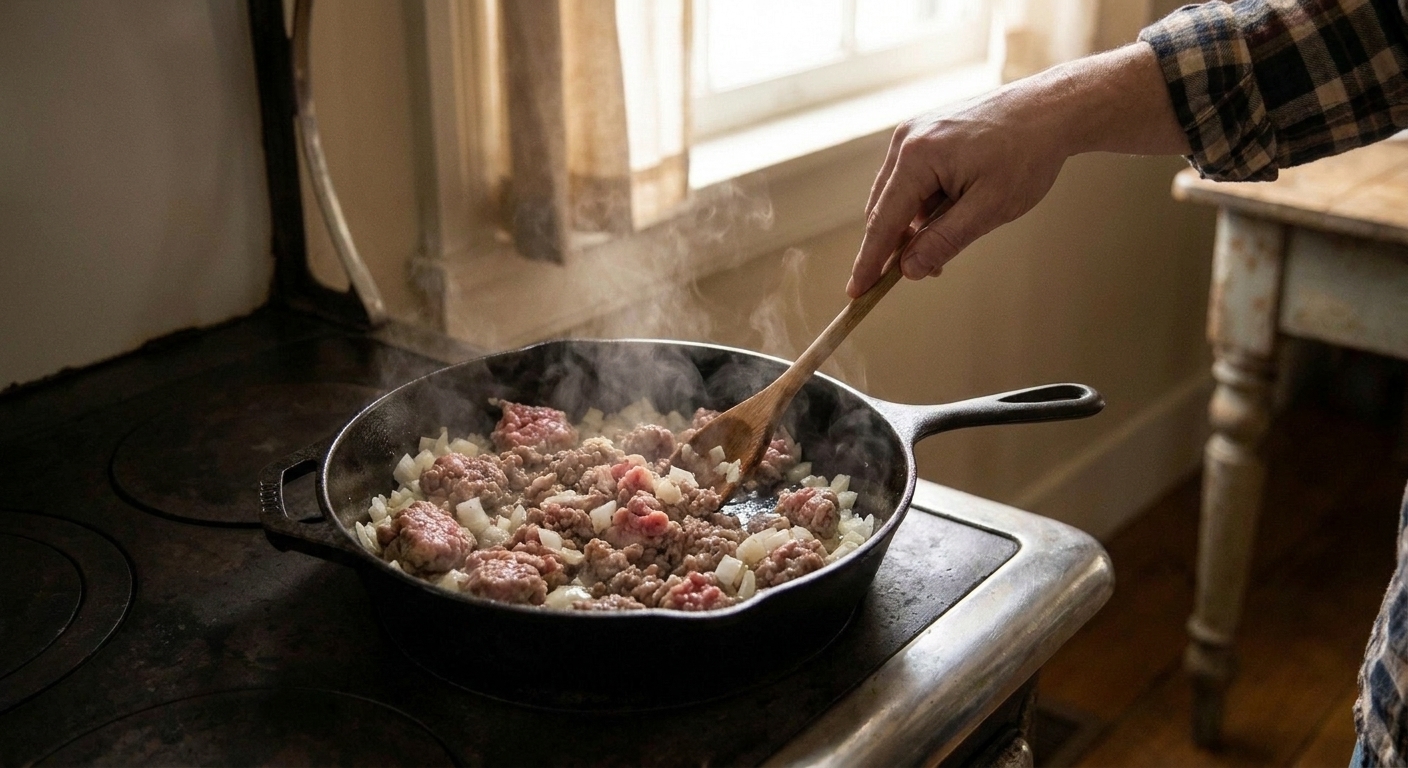
Yes, I recommend it. Pre-cooking the pork, onion, and potato makes the bake more predictable and helps prevent the crust from sitting around soaking up raw-meat juices. For food safety, the final pie should still be baked until the center reaches 165°F.

How thick should the crust be?

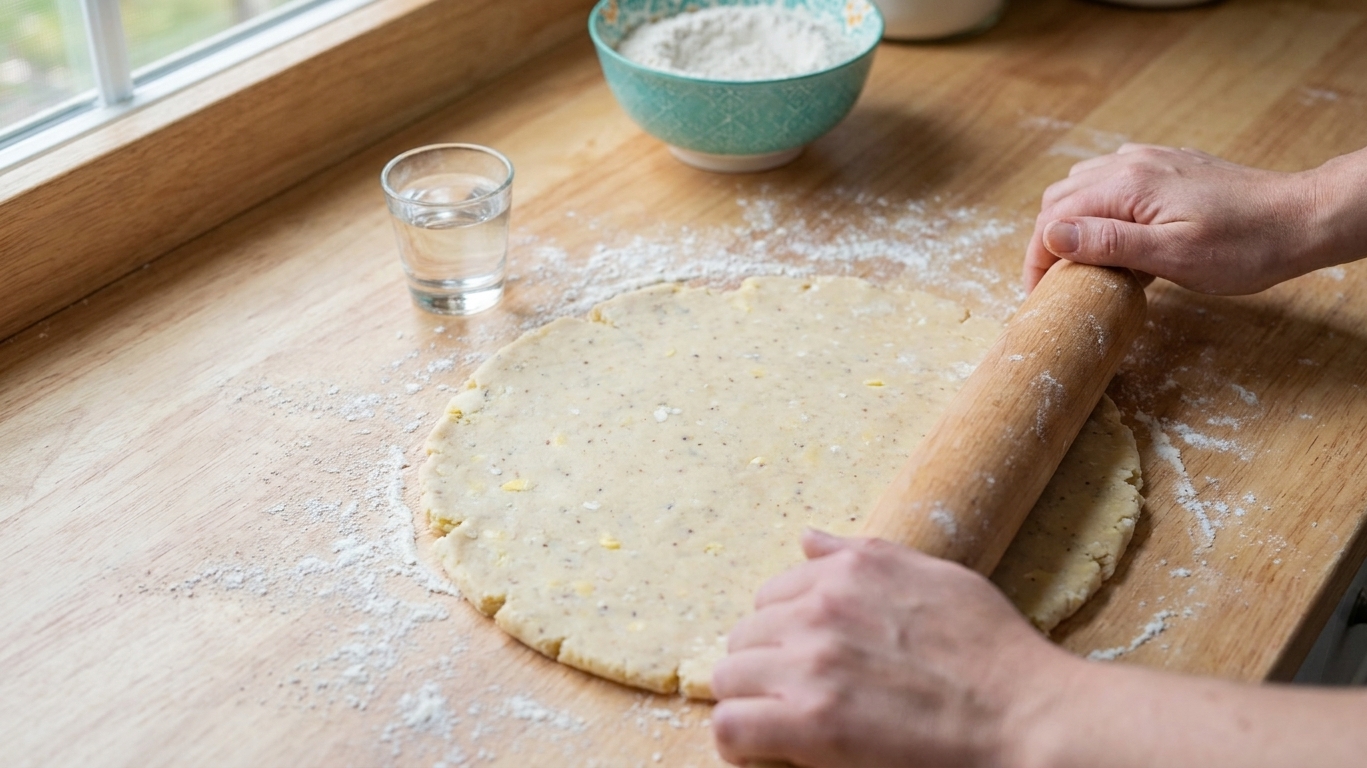
Think slightly thicker on the bottom and slightly thinner on top. The bottom needs strength, the top needs crispness. Aim for about 1/8 inch for the top, and just a touch thicker for the bottom.

How do I know the center is hot without overbrowning the crust?

The most reliable way is an instant-read thermometer. Slide the probe through a vent and aim for the center of the filling. You want 165°F.

If you do not have a thermometer, you can use my vent-and-bake test as a quick doneness check: halfway through baking, slip the tip of a thin knife into a vent for a few seconds, then carefully touch the knife to your inner wrist. It should feel very hot. Use caution to avoid burns, and wash the knife after checking.

Can I make tourtière ahead for a holiday meal?

Absolutely. Make the filling up to 2 days ahead and chill. You can also assemble the whole pie and refrigerate it for up to 24 hours before baking. For the flakiest crust, make sure the filling is fully cooled before it goes into the pastry, and keep the assembled pie cold until it hits the oven.

What should I serve with tourtière?

Traditions vary, but a few cozy favorites are ketchup or chili sauce, quick pickles, or a simple mustard on the side. A crisp salad is also nice if your table is already doing the most.
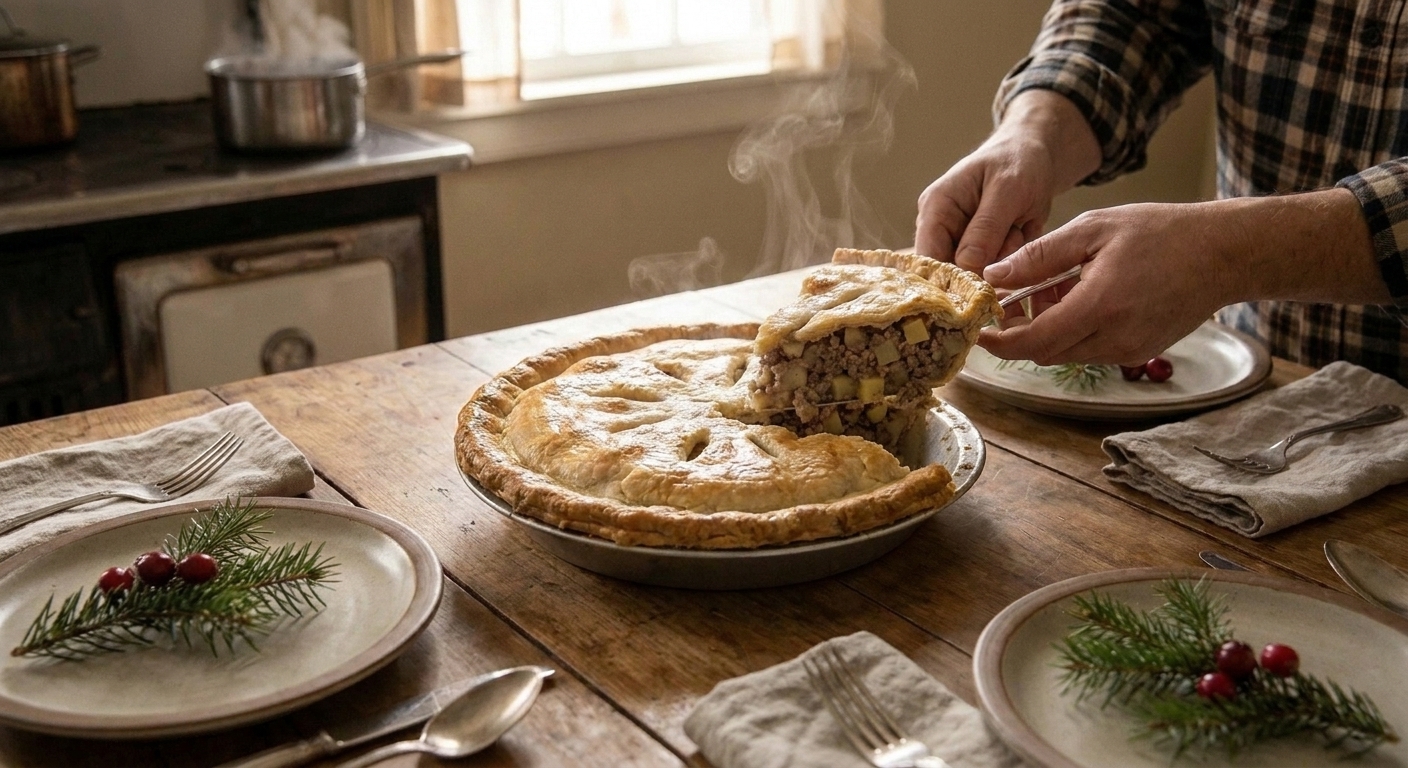
Tourtière feels like the kind of pie that shows up when the table is already crowded and everyone is laughing a little louder than usual. I like that it is sturdy, sliceable, and quietly dramatic when you cut in and the steam escapes through those little vents. If you have ever wanted dinner to feel like a warm blanket, this is the pie I would nudge toward you from my side of the counter.