Mom's Best Recipes
Recipe

Whole Grain Sourdough Bread

A hearty, high-flavor sourdough with whole grains, a crackly crust, and a soft, sliceable crumb that actually works for sandwiches.

Author By Matt Campbell
4.8
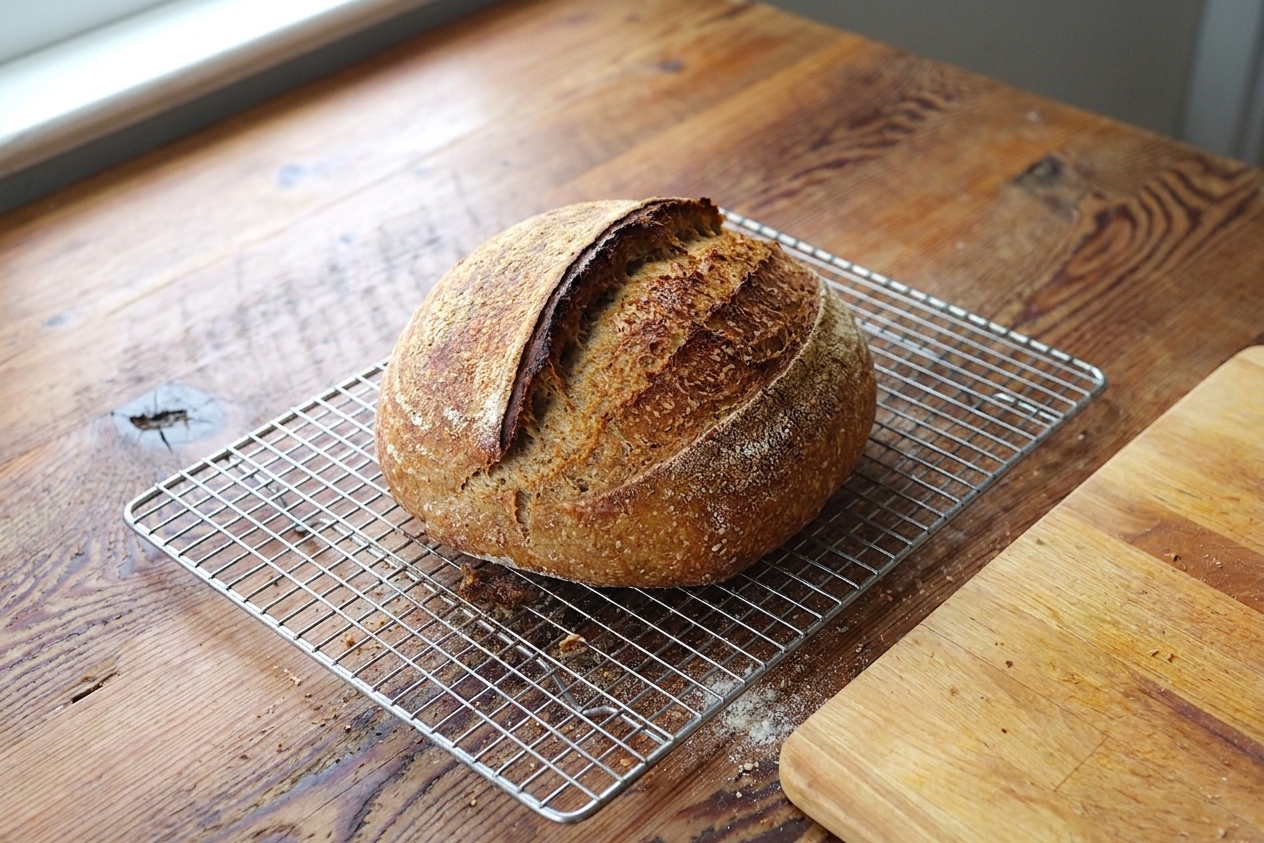
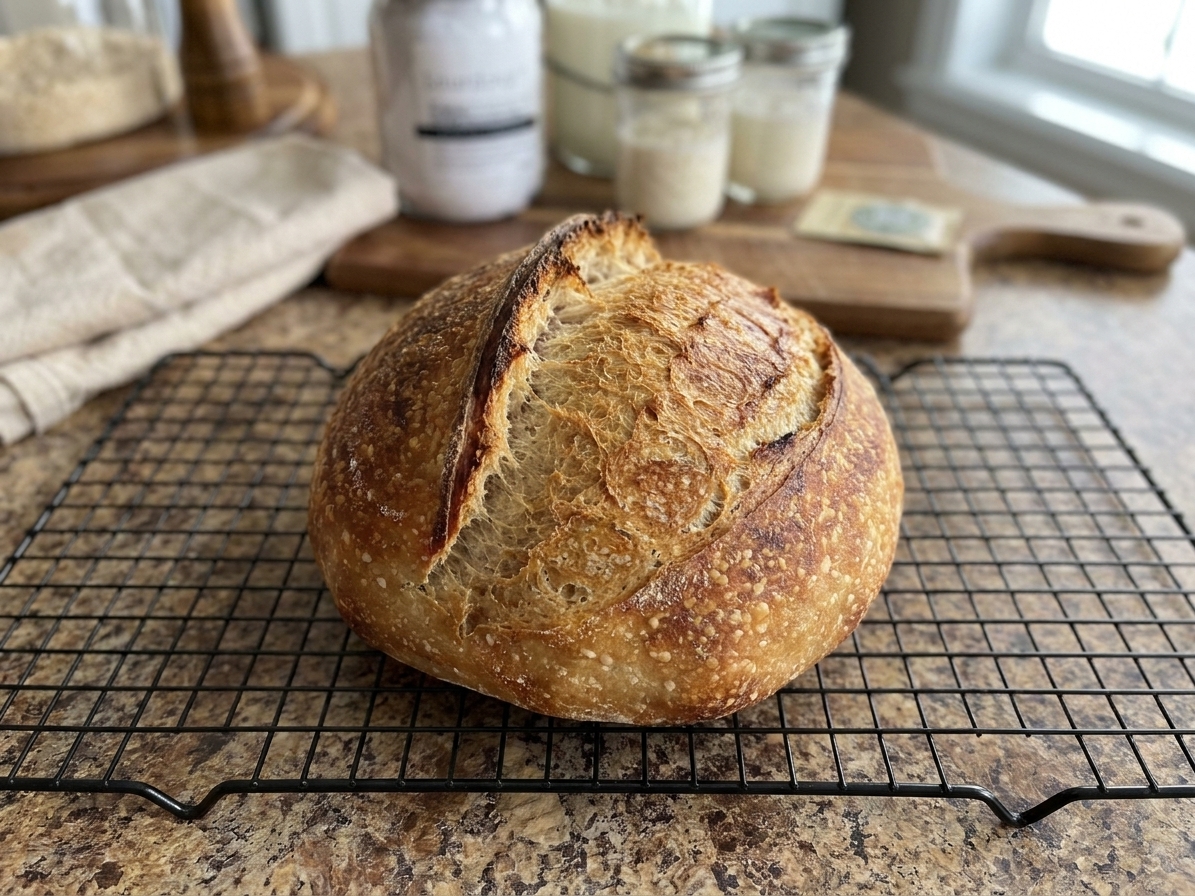
A golden-brown whole grain sourdough boule with a single scored slash, cooling on a wire rack on a warm-toned kitchen counter with soft window light

If you love sourdough but want a loaf that feels a little more like everyday bread (as in: holds up to peanut butter, makes a killer grilled cheese, and still has that crunchy crust you can’t stop picking at), whole grain sourdough is your move.

This recipe keeps things practical. We use a blend of bread flour + whole wheat so you get the best of both worlds: the structure and spring of white flour with the nutty depth and staying power of whole grains. The method is relaxed and flexible, because sourdough is alive and it does not care about your calendar.
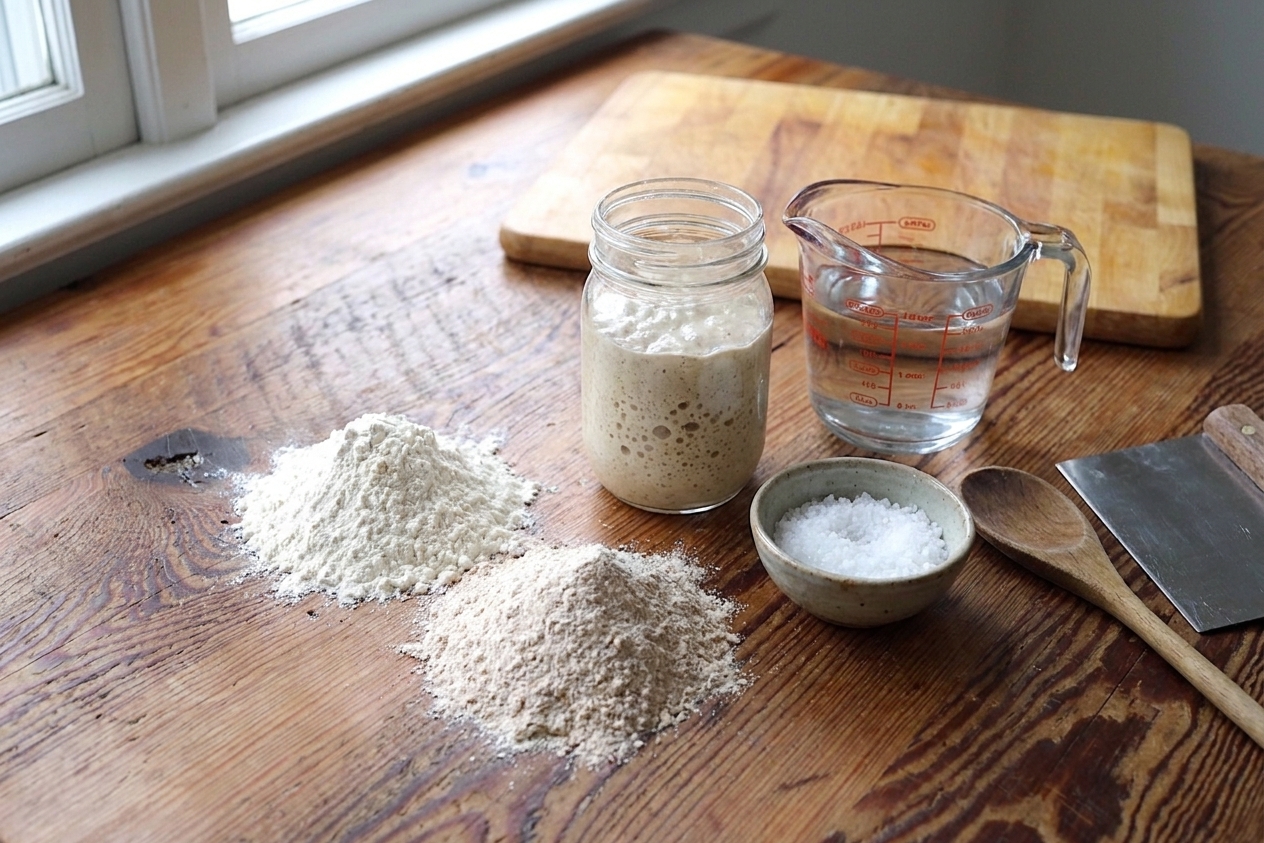
Measured bread flour, whole wheat flour, a jar of bubbly sourdough starter, salt, and water arranged on a clean kitchen counter

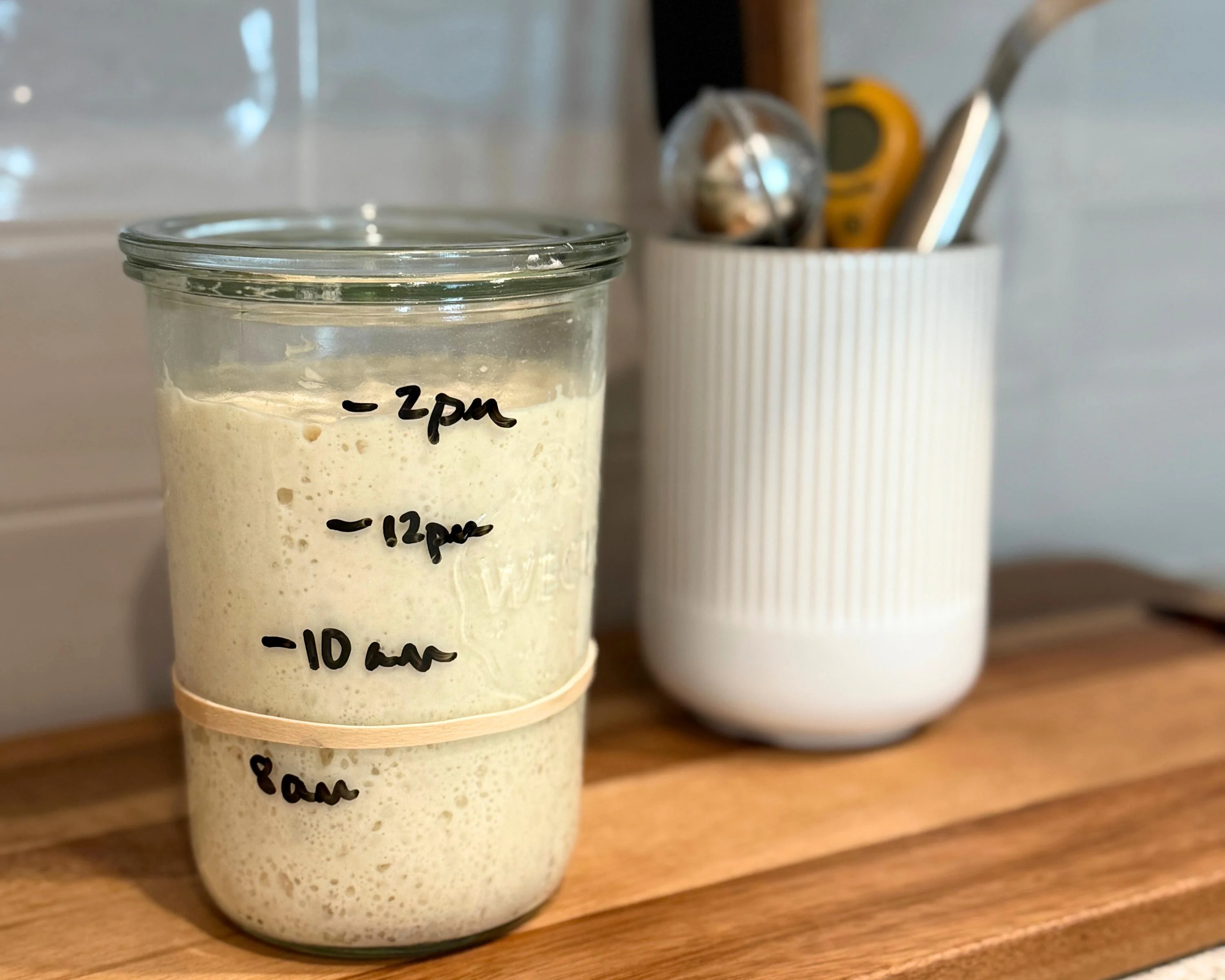
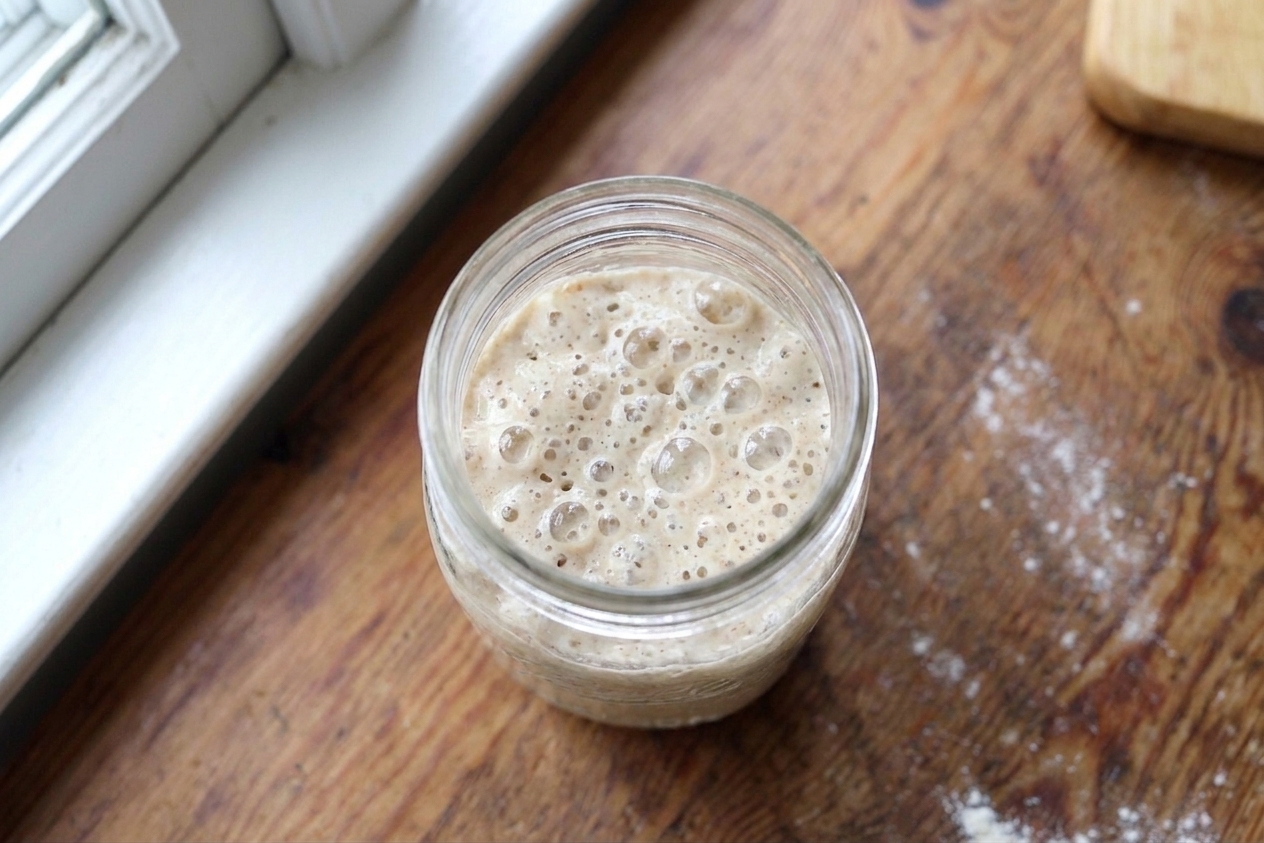
Starter check: For best results, use a starter that reliably doubles in about 4 to 6 hours at roughly 75°F. If yours takes longer, plan on longer fermentation or give it a few strong feedings first.

Water note: “Room temp” is a moving target. If your kitchen is cool, use slightly warmer water. If it is hot, use cooler water so bulk does not sprint past you.
Why It Works

  • Balanced flour blend: Whole wheat brings flavor, but bread flour keeps the dough strong enough to rise high instead of spreading into a pancake.
  • Autolyse first: Mixing flour and water and letting it rest makes the dough smoother, improves extensibility, and helps whole grains hydrate fully.
  • Gentle strength building: Stretch and folds build structure without overworking the dough, which is especially helpful with whole grain flour.
  • Cold proof for control: An overnight rest in the fridge deepens flavor, makes scoring easier, and helps you bake on your schedule.
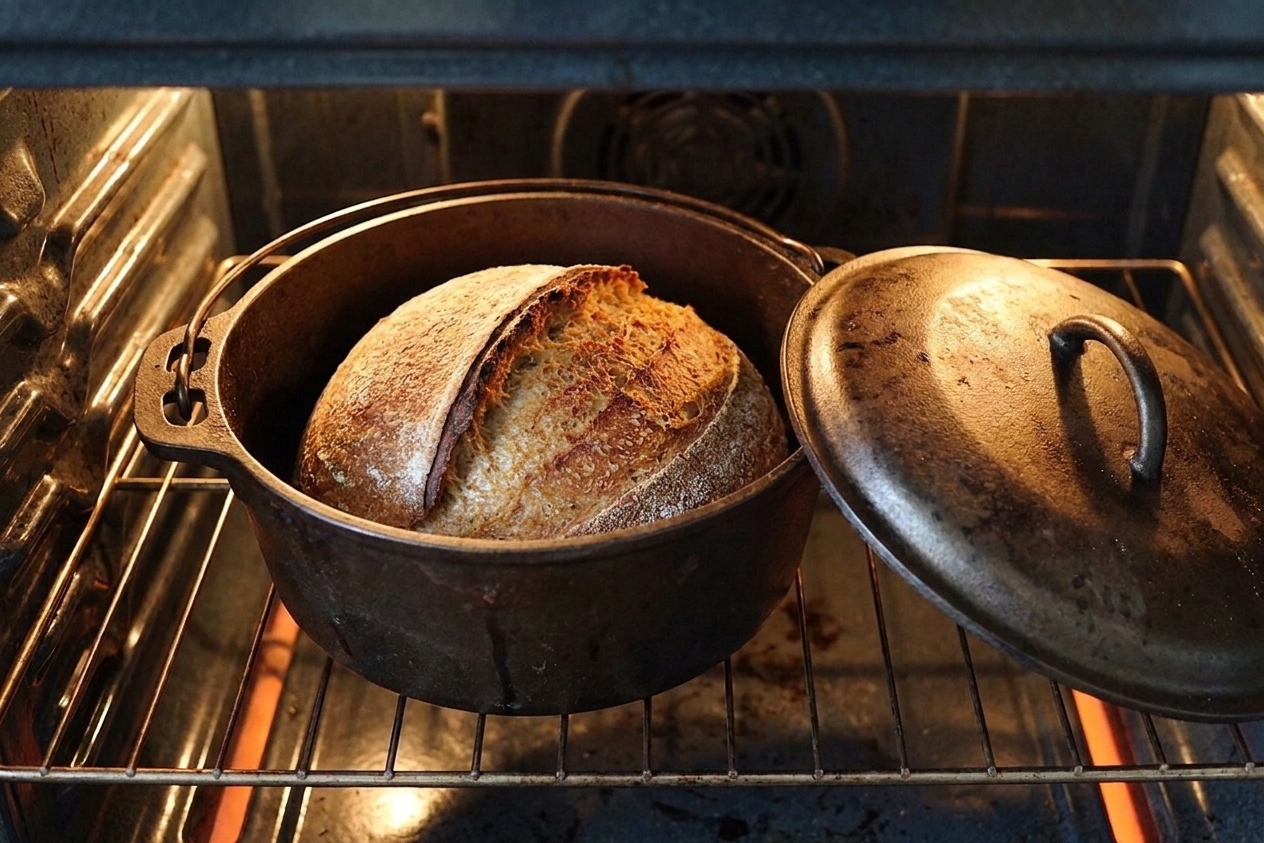
  • Steam and a hot Dutch oven: That is the secret handshake for a glossy crust and great oven spring at home.

Pairs Well With

Storage Tips

How to Store Whole Grain Sourdough

Day 1 to 2: Store the cooled loaf cut-side down on a cutting board, or in a paper bag. This keeps the crust crisp. If your kitchen is very dry, switch to a bag or bread box sooner so the cut side does not dry out.

Day 3 to 4: Move it to a bread box or a loosely closed plastic bag if your kitchen is dry and the loaf is getting tough. Expect the crust to soften a bit, but the crumb stays nicer.

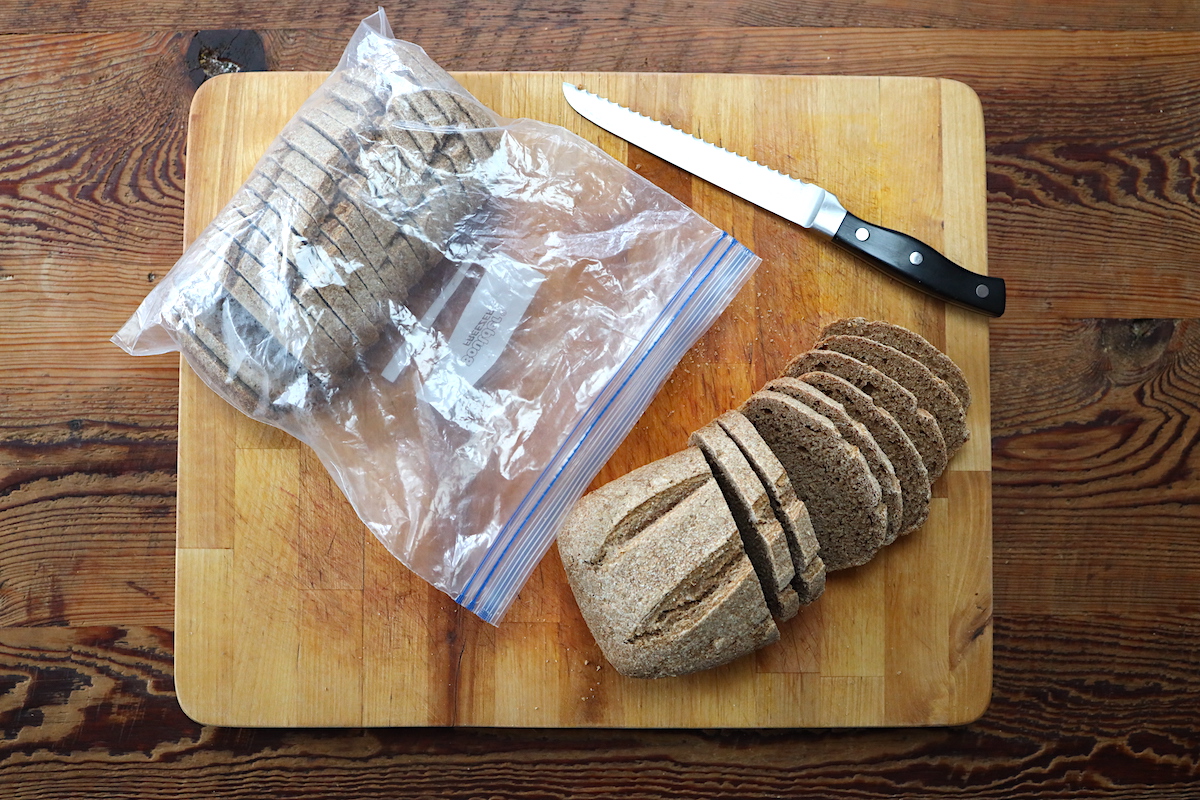
Freezing (best option): Slice the loaf, freeze slices in a zip-top bag, and toast straight from frozen. It comes back to life fast and tastes shockingly fresh.

A stack of sliced whole grain sourdough bread on parchment paper beside an open freezer-safe bag on a kitchen counter

Common Questions

Common Questions

Can I make this 100% whole wheat?

You can, but expect a denser loaf and a tighter crumb. If you want to try it anyway, start by swapping just an extra 10% to 15% of the bread flour for whole wheat and see how you like the texture. Also, consider adding an extra 15 to 30 g water since whole wheat is thirsty.

My dough feels stiff. Did I mess up?

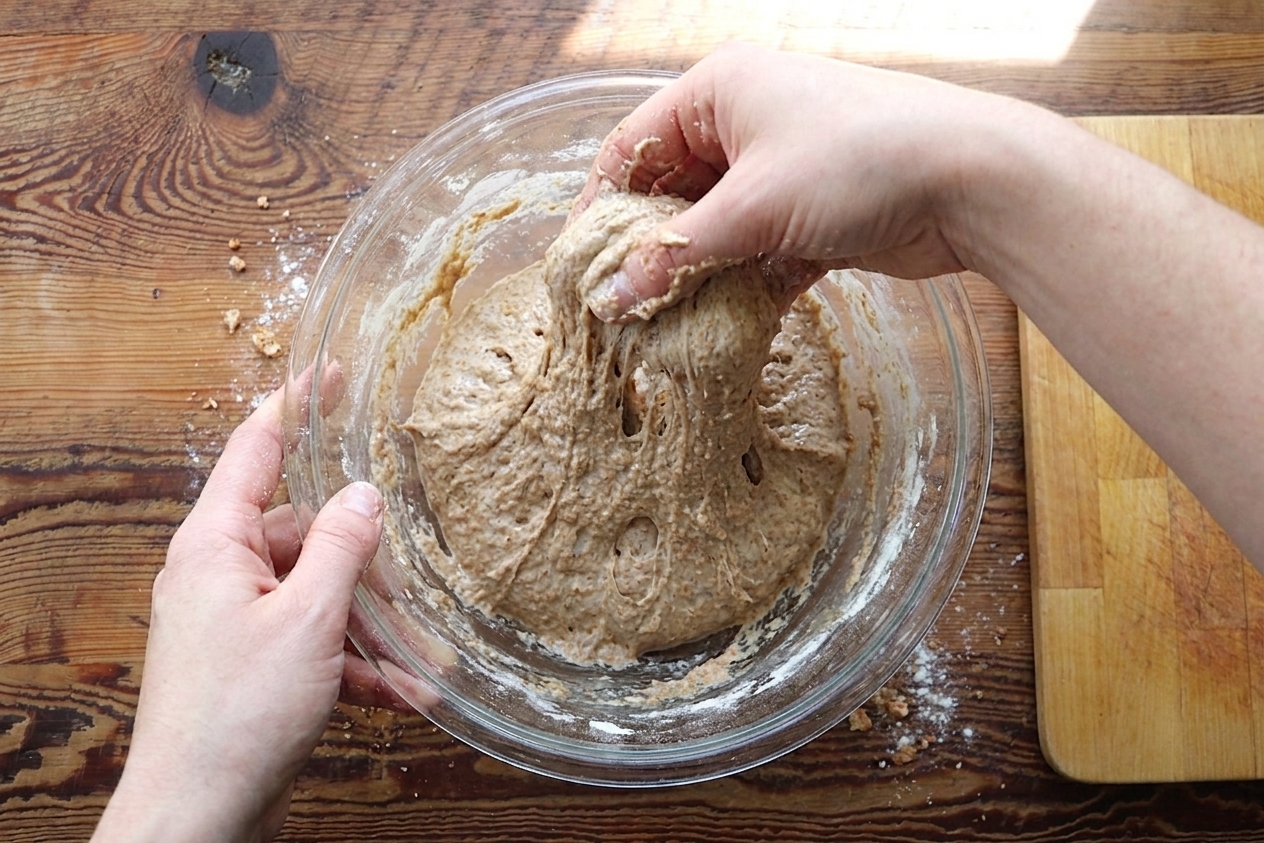
Probably not. Whole grains absorb water slowly, so dough can feel tight early on. Give it the full autolyse, and during bulk fermentation use wet hands for folds. If it still feels stubborn after the first fold, add a small splash of water (5 to 10 g), then squeeze it in gently.

My dough is super sticky. What now?

Sticky is normal. Smear-sticky can mean the dough is too wet for your flour, the gluten is underdeveloped, the dough is running warm, or it is pushing past its ideal fermentation window. Chill the dough for 20 minutes before shaping, use a bench scraper, and flour your hands lightly. Next time, hold back 20 to 30 g of water and add only if the dough can handle it.

How do I know bulk fermentation is done?

Look for a dough that is puffier, jiggly, and shows bubbles along the sides. A good target is roughly 50% to 75% rise (not necessarily doubled). Whole grain dough can be sneaky and ferment fast, especially in a warm kitchen.

Do I have to use a Dutch oven?

No, but it helps a lot. If you do not have one, bake on a preheated sheet pan or stone and add steam by placing a metal pan on the bottom rack and pouring in boiling water right after loading the bread. Work quickly and carefully.

Why is my loaf gummy inside?

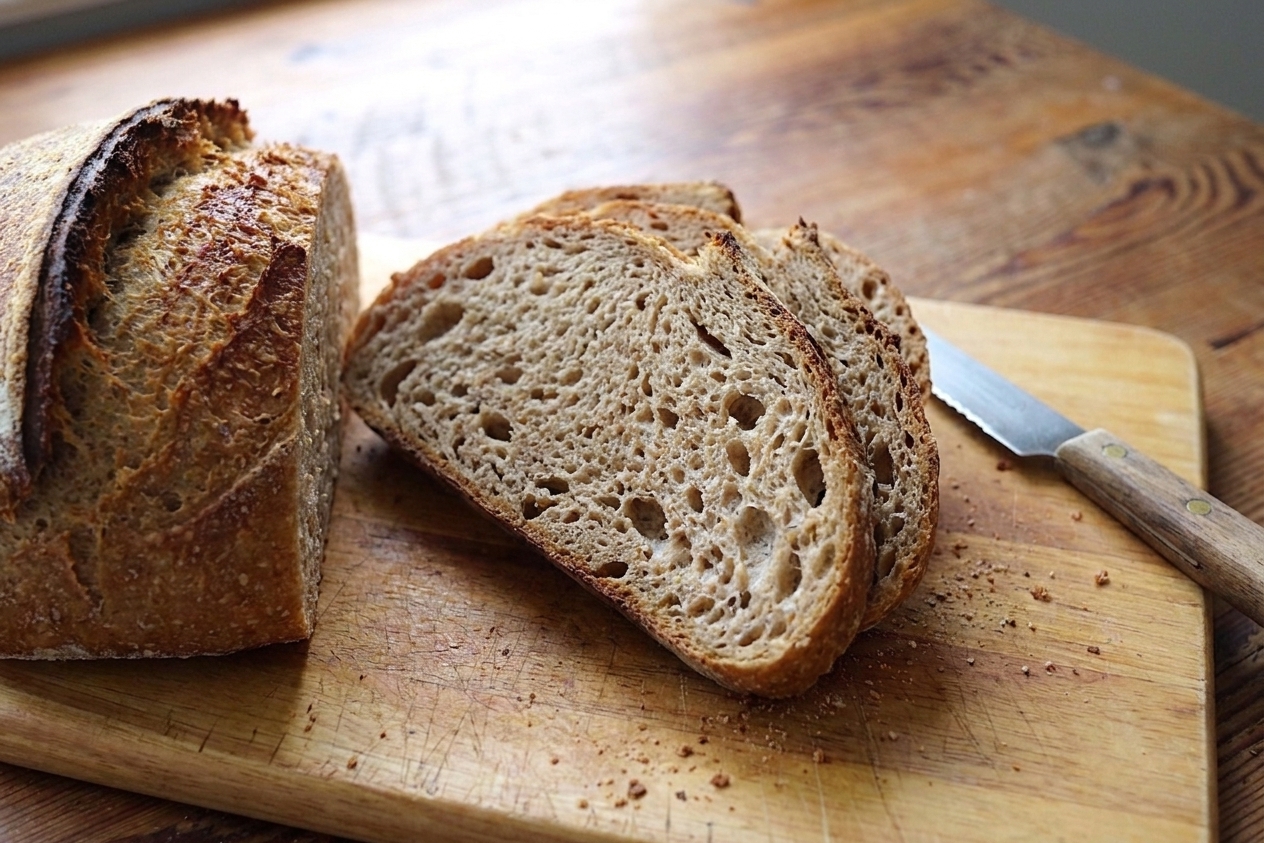
Most often it is one of these: underbaked, cut too soon, or slightly underproofed. Bake to a deeper brown, let it cool at least 2 hours, and consider extending proof time a bit next round. If you use a thermometer, aim for an internal temp around 205 to 210°F (96 to 99°C).

I used to think “whole grain sourdough” meant committing to a loaf that tasted virtuous and ate like a doorstop. Then I started treating whole wheat like a supporting actor instead of the entire cast. A little bread flour for structure, a solid autolyse so the grain can actually drink, and enough salt to make the flavor pop. Now this is the loaf I bake when I want something that feels cozy and sturdy, but still has that sourdough magic: blistered crust, toasty aroma, and slices that disappear fast.