Mom's Best Recipes
Recipe

Whole Wheat Sourdough Bread

Hearty, tangy, and sliceable with a crisp crust, a soft crumb, and just enough whole wheat to taste like you mean it.

Author By Matt Campbell
4.8
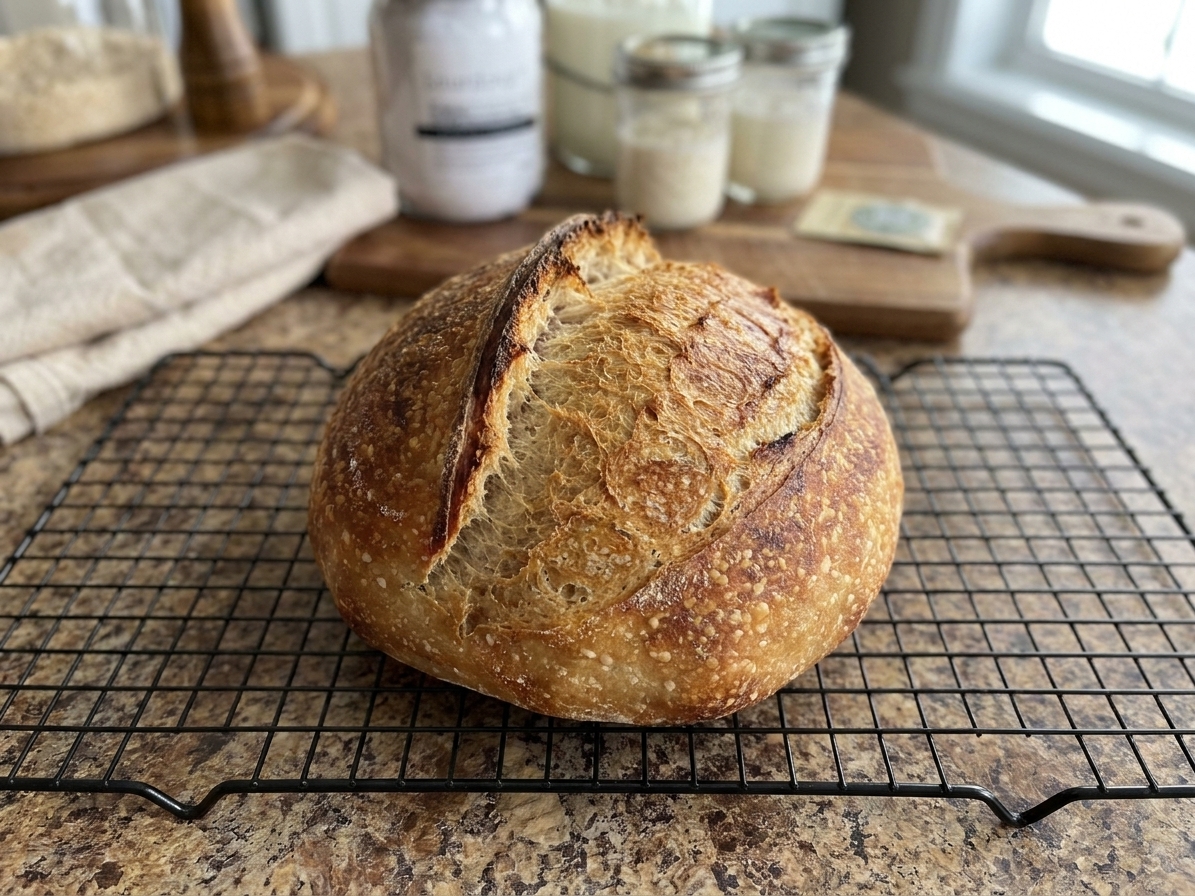
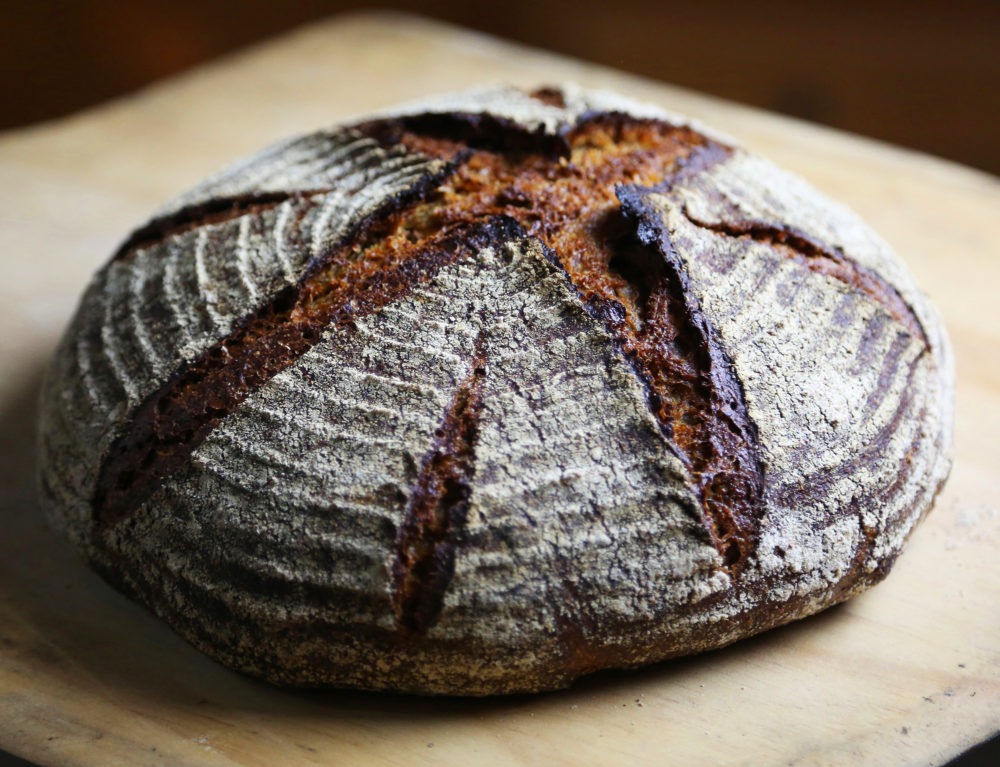
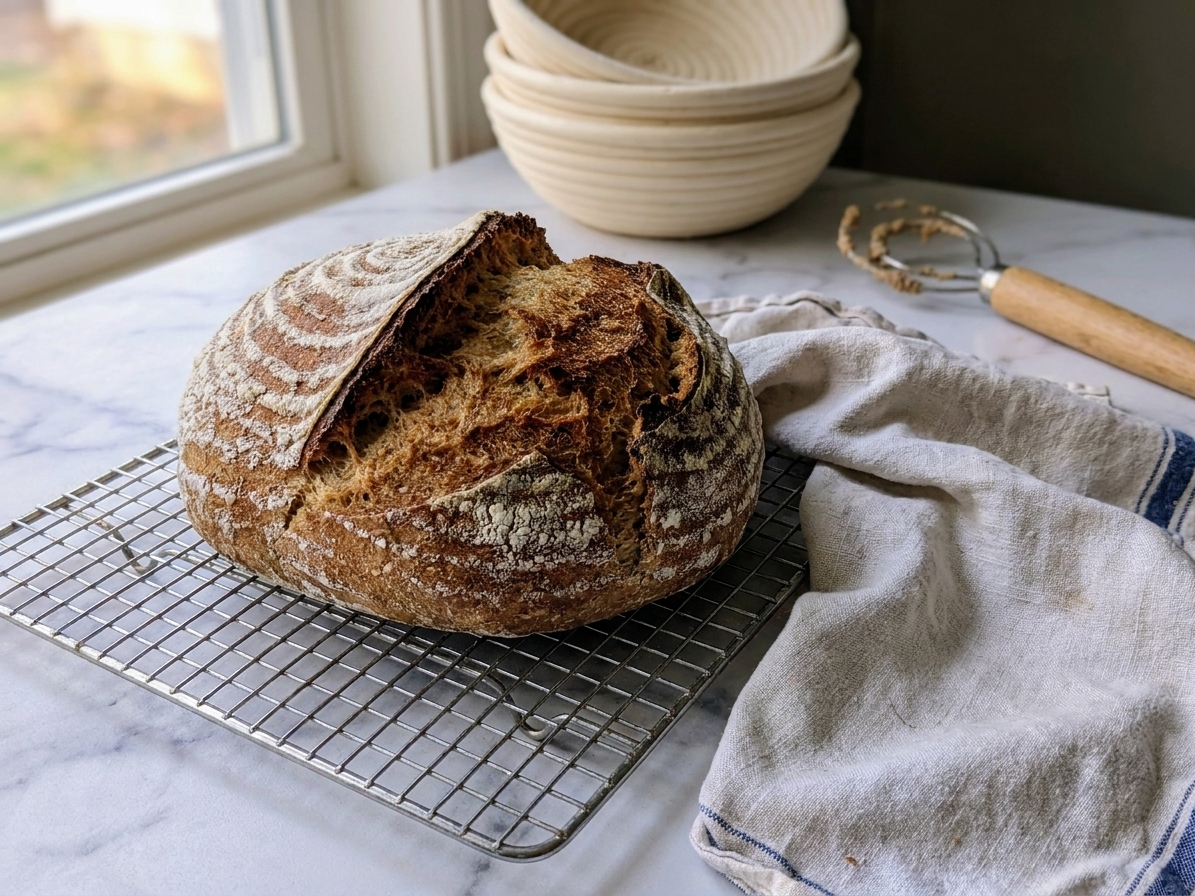
A golden brown whole wheat sourdough boule with a bold score, cooling on a wire rack on a warm-toned kitchen counter with soft window light

Whole wheat sourdough can be a little dramatic. Whole grains drink water, the dough feels stickier, and if you treat it like white bread, it will humble you fast. But when you do treat it right, it is one of the most satisfying loaves you can pull out of your oven: crackly crust, nutty wheat flavor, and that gentle sourdough tang that makes butter taste like a main character.

This is my go-to whole wheat sourdough for real life. Accessible ingredients, clear steps, and a schedule that works whether you are a morning baker or a night owl. We use enough whole wheat to get the cozy flavor, plus a little bread flour to keep the crumb light and slice-friendly. Expect crisp edges, solid lift, and a loaf that makes toast feel like an achievement.

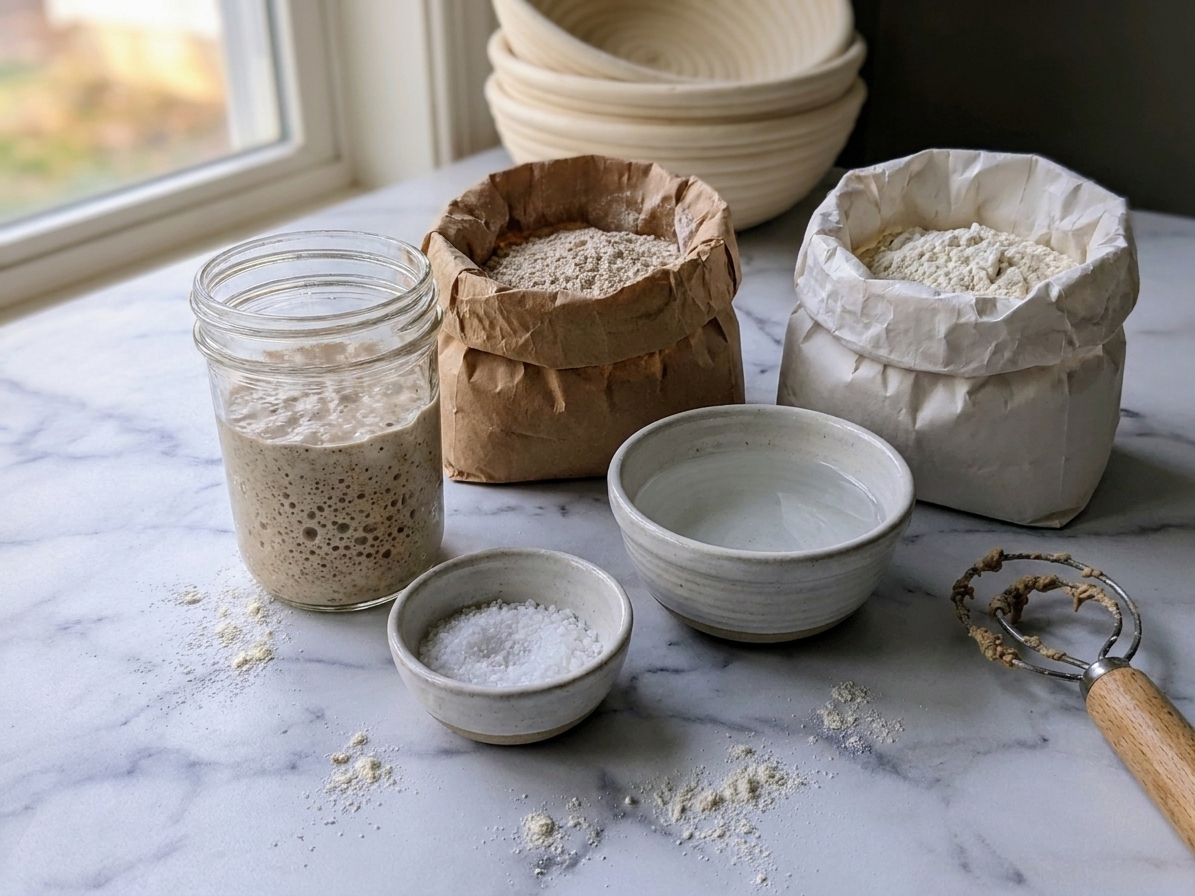
Whole wheat flour, bread flour, a jar of bubbly sourdough starter, a bowl of water, and a small bowl of salt arranged on a tidy kitchen counter in natural light

Why It Works

  • Big flavor without brick texture: Whole wheat brings nuttiness, bread flour keeps it airy enough for sandwiches.
  • Low drama technique: A short autolyse plus a few stretch-and-folds builds strength fast without endless kneading.
  • Flexible timing: Bulk at room temp (use the dough cues), then a cold overnight proof for easier scoring and deeper flavor.
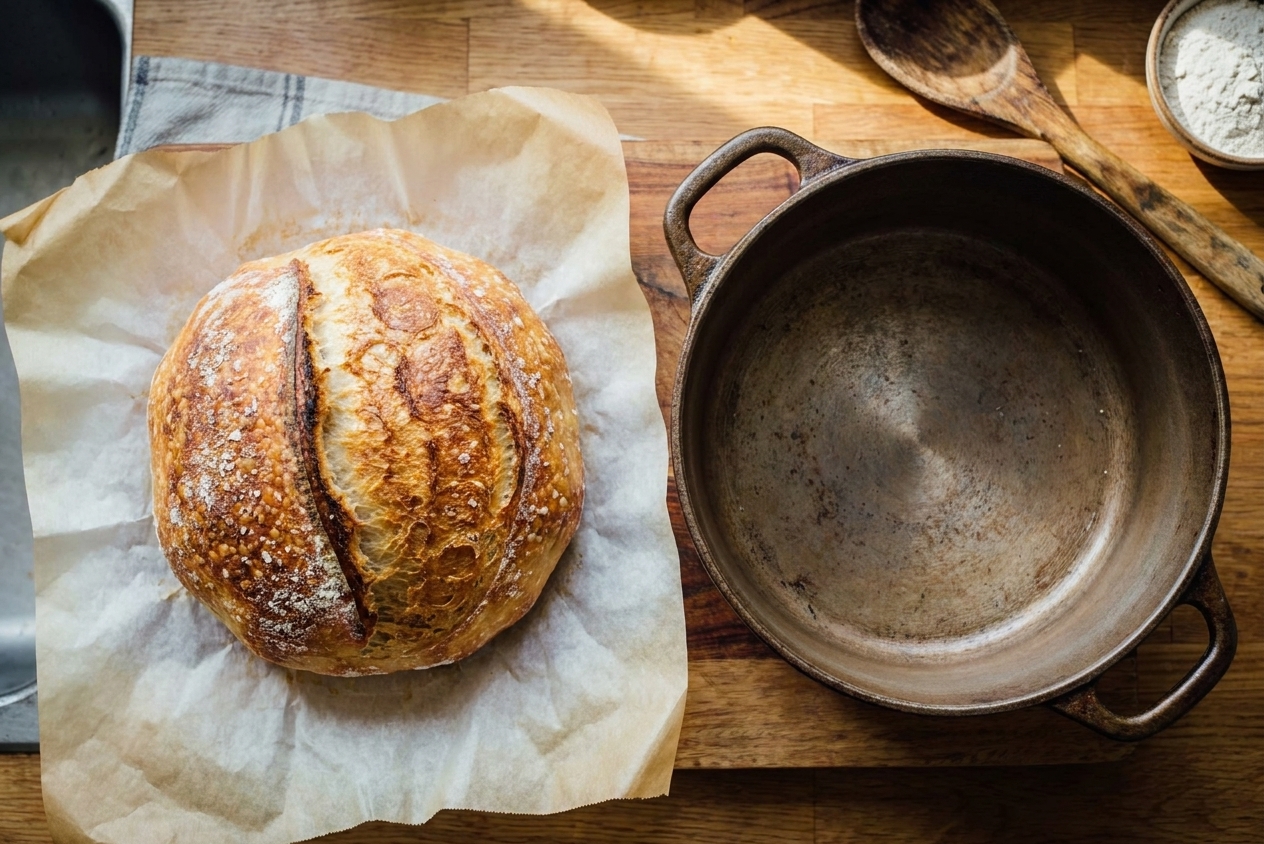
  • Reliable bake: High heat and steam (Dutch oven) gives you spring and a crust that actually crackles.

Pairs Well With

Storage Tips

Day 1 to 2: Keep the loaf cut-side down on a cutting board, or wrap loosely in a clean kitchen towel. This keeps the crust crisp and the crumb happy.

Day 3 to 5: Move it to a bread bag or zip-top bag. The crust will soften a bit, but it will toast like a champ.

Freezing: Slice the cooled loaf, then freeze in a freezer bag with parchment between a few slices if you want easy grab-and-toast access. Best quality within 2 months.

Re-crisping: For a whole loaf, spritz the crust lightly with water and bake at 375°F for 10 to 15 minutes. For slices, toast or griddle in a little butter.

Common Questions

Common Questions

Is this really 75% hydration?

It is 75% base hydration for the main dough (375 g water to 500 g flour). With the starter included (100 g starter at 100% hydration adds 50 g water + 50 g flour), the overall formula hydration is about 77% (425 g water to 550 g flour). Both are normal ways to talk about hydration, but I want you to have the full picture.

Can I make this 100% whole wheat?

You can, but expect a denser loaf. Start by swapping the bread flour for white whole wheat flour (it is milder) and increase water by 15 to 30 grams as needed. Give the dough extra folds for strength.

My dough feels sticky. Did I mess up?

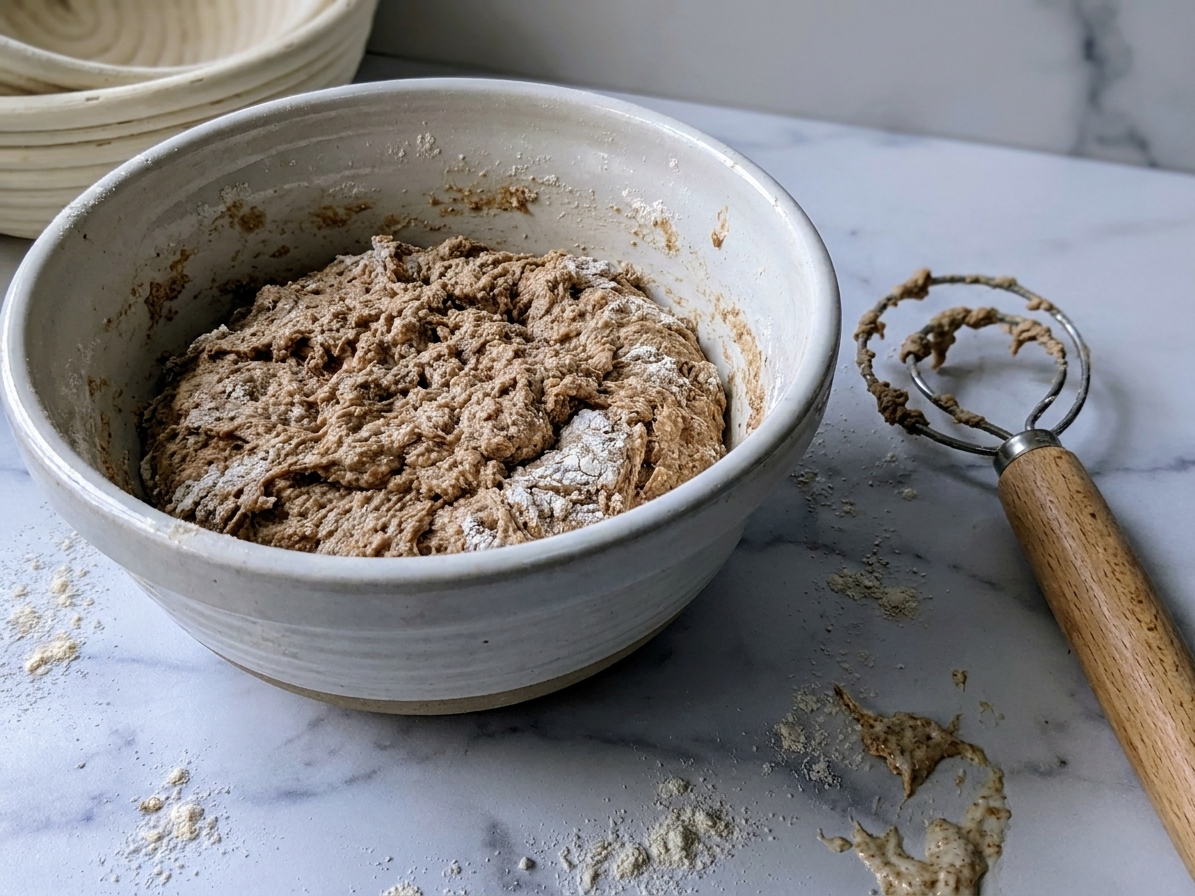
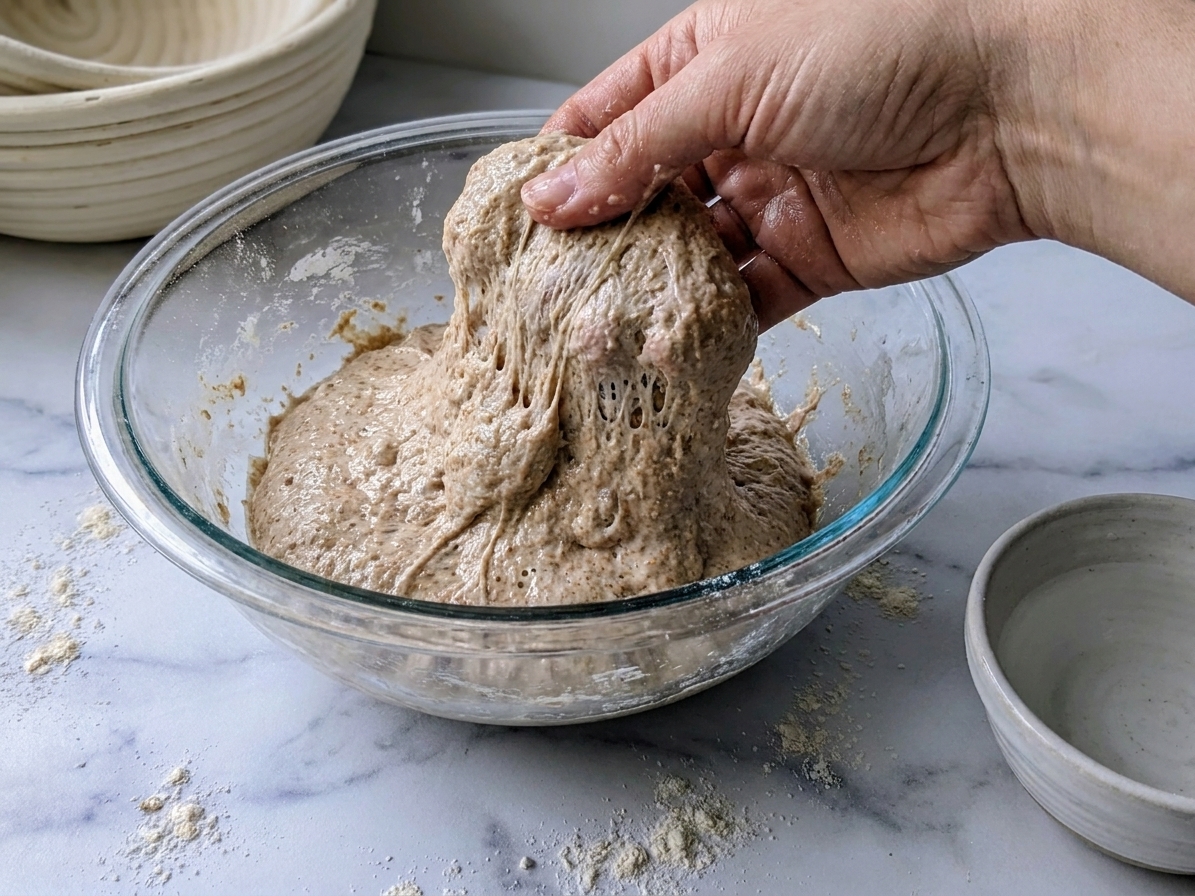
Probably not. Whole wheat is naturally stickier because of bran and higher absorption. Use wet hands for folds, and focus on how the dough strengthens over time. It should go from shaggy to smoother and more elastic during bulk.

How do I know bulk fermentation is done?

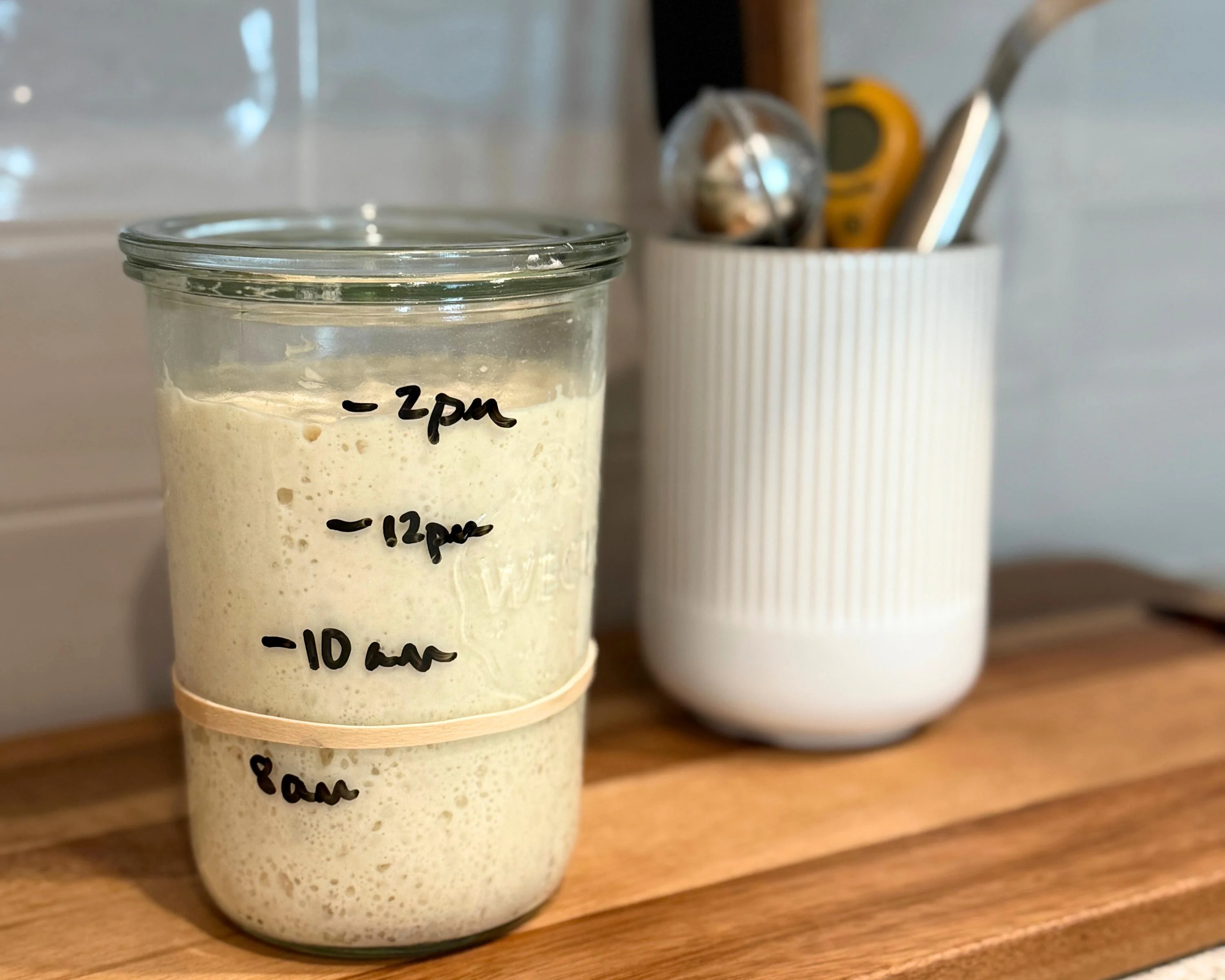
Look for about 40% to 60% rise, bubbles along the sides, and a dough that feels lighter and a bit jiggly. If your kitchen is warm, it will move faster. If it is cool, it will take longer. Let the dough tell you, not the clock.

Do I have to cold proof overnight?

No, but it helps with flavor and makes scoring easier. If you want to bake same day, proof at room temperature 1 to 3 hours after shaping until the dough slowly springs back when gently poked.

I do not have a Dutch oven. What can I use?

Use a heavy oven-safe pot with a lid, a combo cooker, or bake on a preheated sheet pan or pizza stone with steam. Add a metal pan on the lower rack and pour in boiling water right after loading the bread.

Why is my loaf gummy?

Common culprits are underproofing, underbaking, and slicing too soon. Bake until deep brown and, if you have a thermometer, aim for an internal temp of 208 to 212°F (98 to 100°C). Then let it cool at least 2 hours before cutting. Whole wheat loaves need that cool-down to set the crumb.

What do you mean by bulk and proof?

Bulk fermentation is the first rise after you add starter (it happens before shaping). Proofing is the final rise after shaping, usually in the fridge overnight in this recipe.

I was the kid who wanted the culinary degree, then swerved hard into the "just do the work" route. Sourdough fits that energy perfectly. It rewards practice, not perfection. Whole wheat sourdough, especially, taught me patience. The first few loaves were tasty, but dense, like the bread equivalent of wearing a winter coat indoors.

Once I started treating whole wheat like it deserved a little extra water, a little extra time, and a gentler hand, everything clicked. Now this is the loaf I bake when I want my kitchen to smell like a real bakery and my breakfast to feel like I have my life together, even if the rest of the day is chaos.