Mom's Best Recipes
Recipe

Gluten Free Pie Crust

Flaky, buttery, and easy to roll, this gluten free pie crust is built for crisp edges and zero drama.

Author By Matt Campbell
4.8
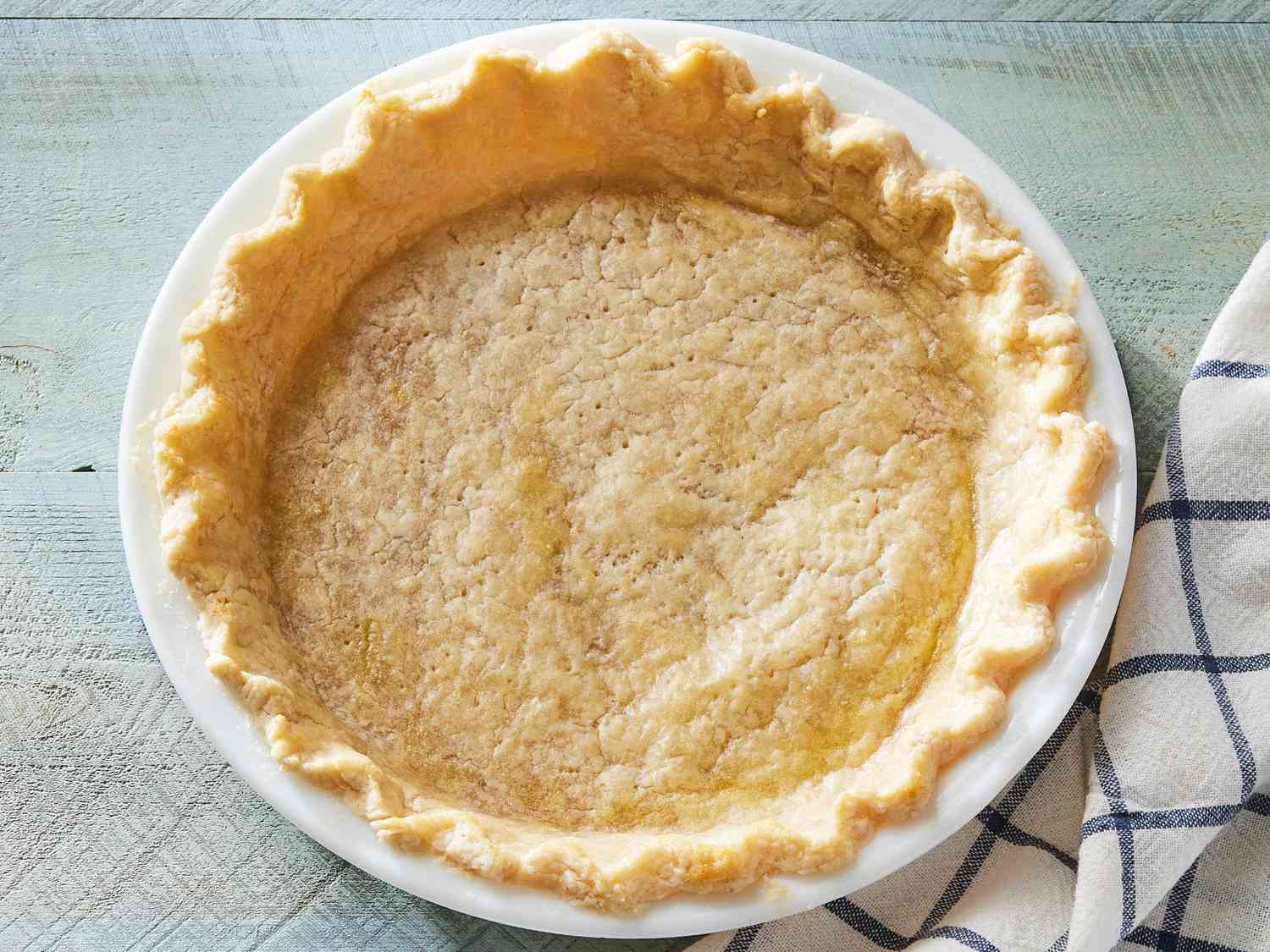
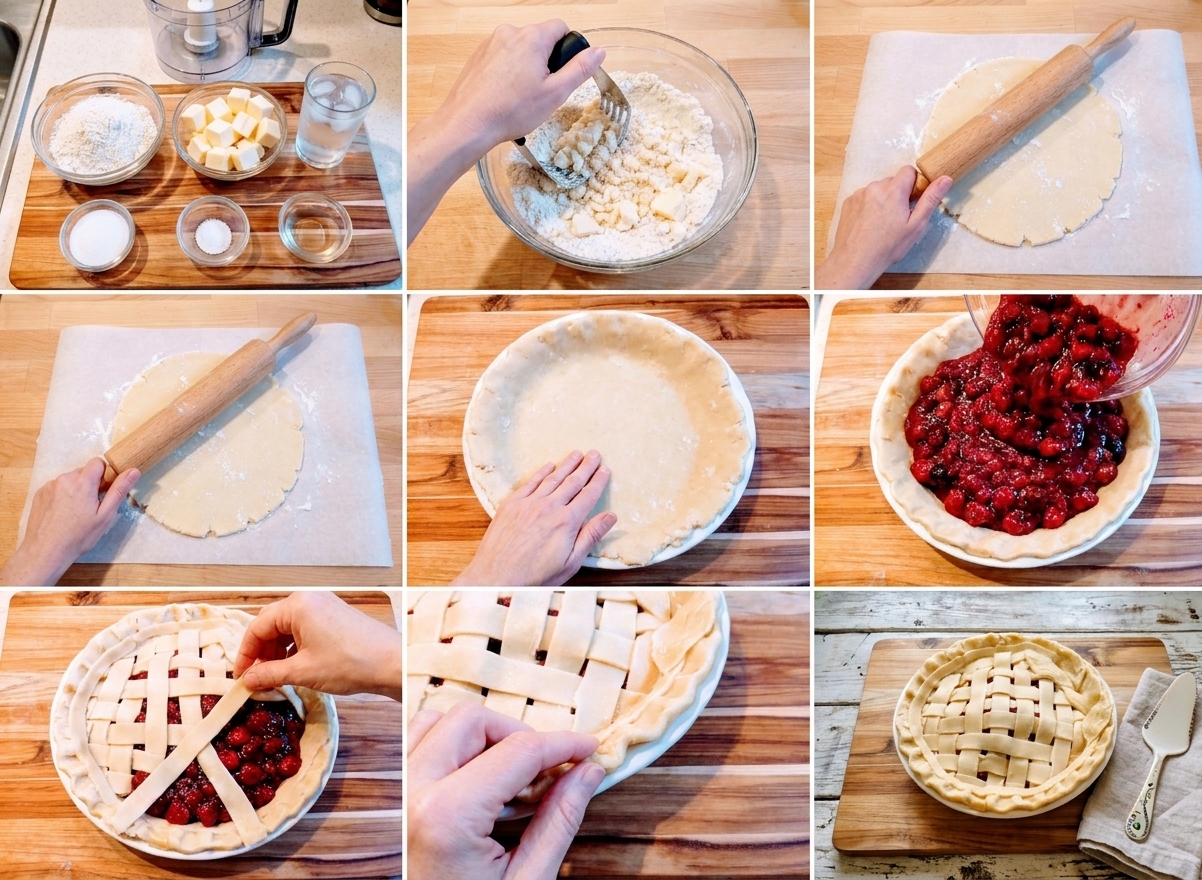
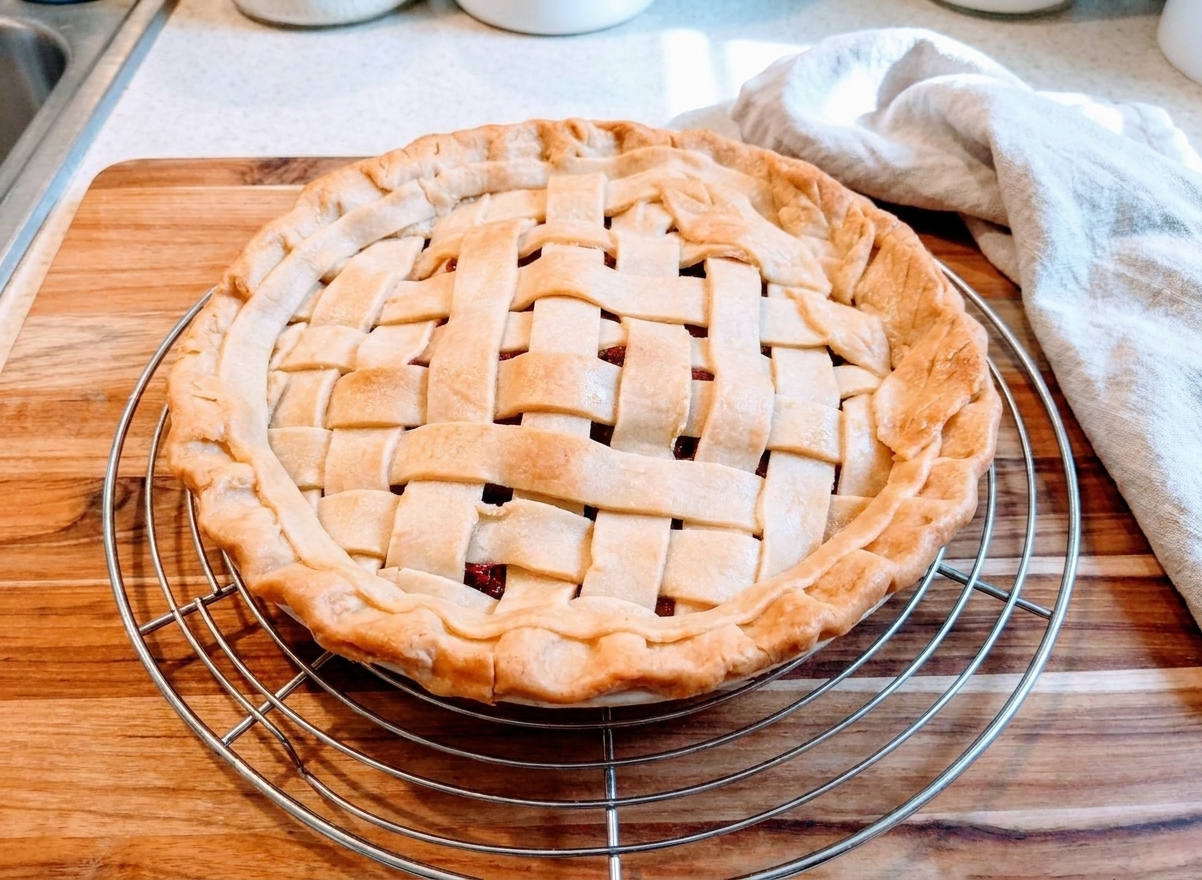
A baked gluten free pie with a golden lattice crust on a wooden table, crumbs and a pie server nearby, warm natural kitchen lighting

Gluten free pie crust has a reputation. Sometimes it is sandy. Sometimes it is gummy. Sometimes it cracks like dry desert ground the second you look at it. This one is the opposite: buttery, flaky, and flexible enough to roll out without turning the kitchen into a patchwork quilt of dough repairs.

The big idea is simple: use a reliable gluten free flour blend, keep everything cold, and add a little structure with an egg plus a touch of vinegar. The crust bakes up with those crisp, toasty edges that make you want to steal a corner piece before the filling even goes in. It works for pumpkin, apple, quiche, chicken pot pie, and anything else that deserves a proper crust moment.

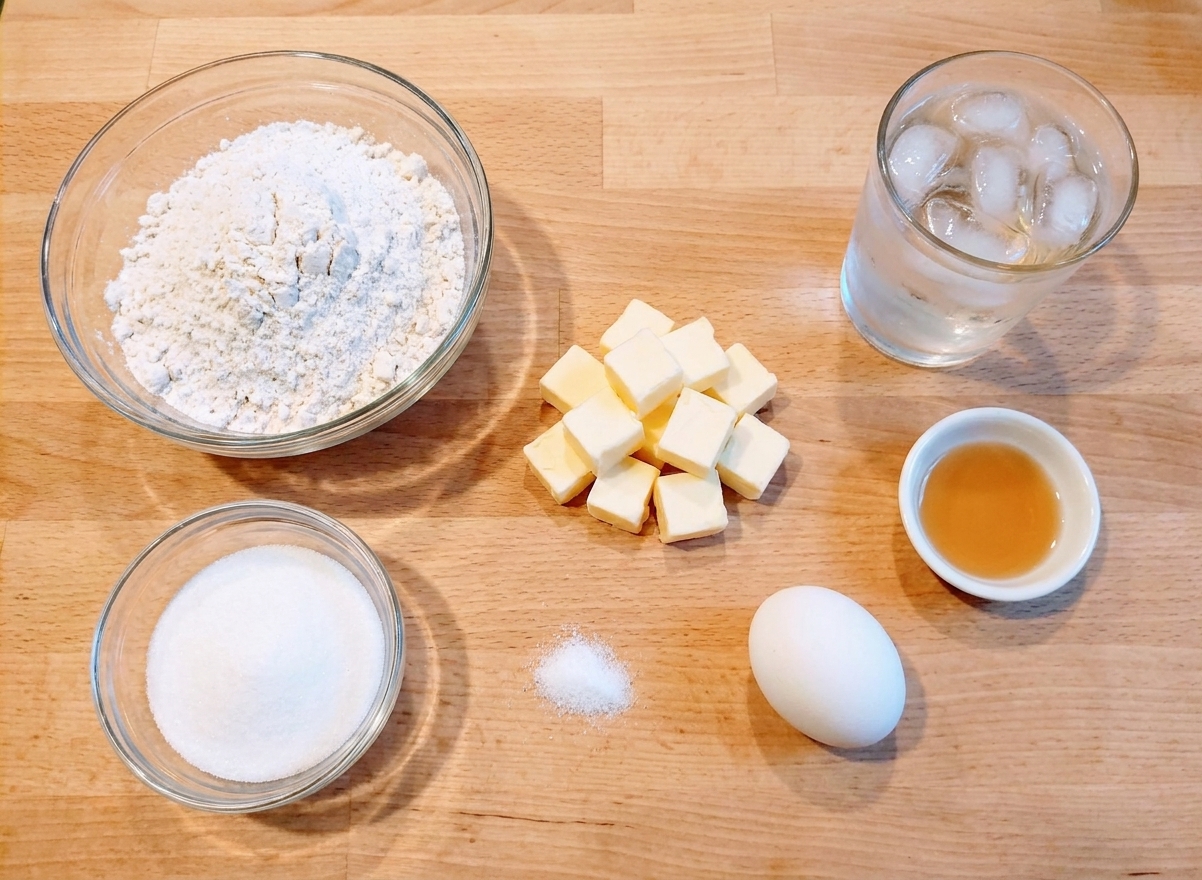
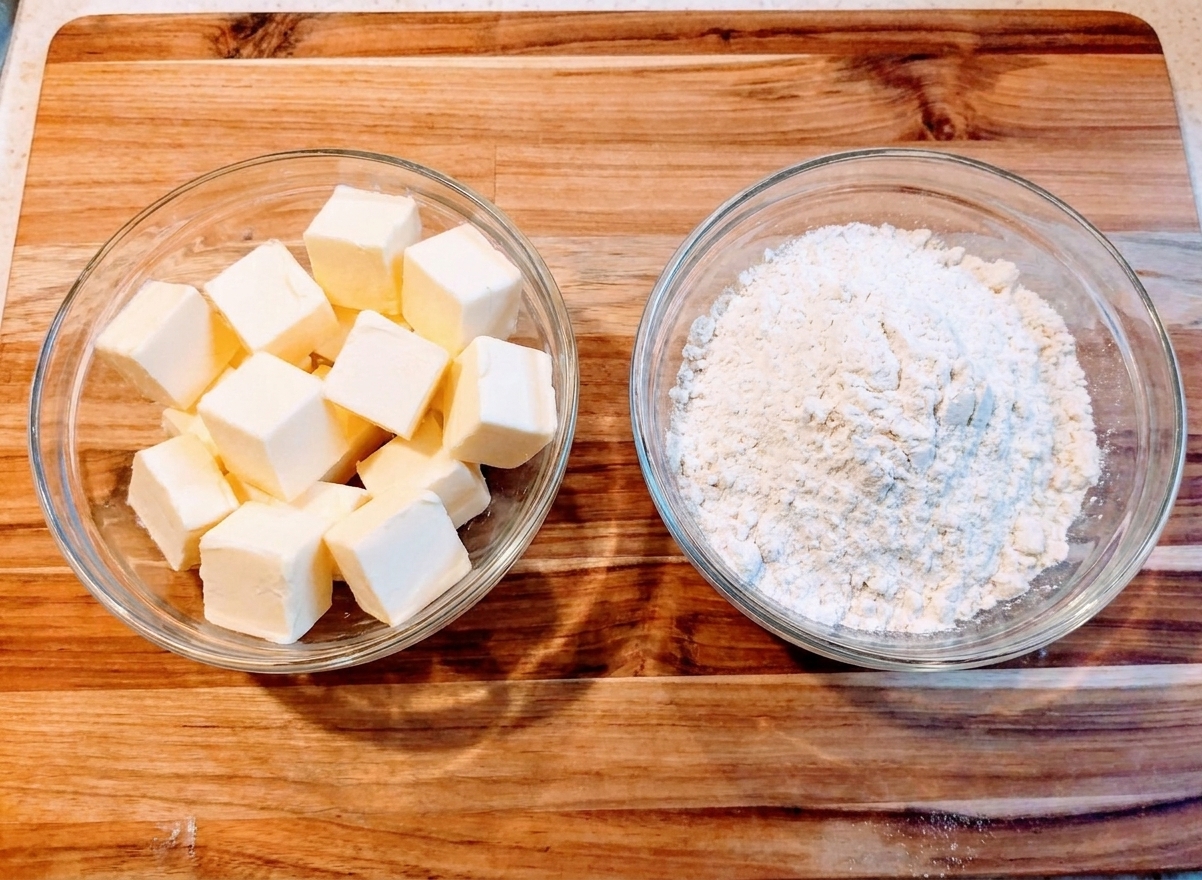
Gluten free flour blend, cold butter cubes, sugar, salt, egg, apple cider vinegar, and ice water arranged on a light kitchen counter

Why It Works

  • Flaky layers, not grit: cold butter stays in pieces, then steams into lift in the oven.
  • Easy to handle: an egg adds bind so the dough rolls out without crumbling.
  • Crisp bottom: chilling plus optional par-baking helps prevent soggy pie situations.
  • Versatile flavor: neutral enough for sweet fillings, still great for savory bakes.

Pairs Well With

Storage Tips

Make ahead options

  • Refrigerate dough disk: Wrap tightly and chill up to 3 days. Let it sit at room temp 10 to 15 minutes before rolling.
  • Freeze dough disk: Wrap in plastic wrap, then a freezer bag. Freeze up to 2 months. Thaw overnight in the fridge.
  • Freeze in the pie plate: Press dough into the pan, wrap well, and freeze up to 2 months. Bake from frozen, adding a few extra minutes.

Storing a baked crust

  • Fully baked (blind baked) crust: Cool completely, cover, and keep at room temp up to 2 days, or freeze up to 1 month. Crisp it in a 325°F (165°C) oven for 8 to 10 minutes if needed.

Common Questions

What gluten free flour is best for pie crust?

Use a cup-for-cup gluten free baking flour that is meant to replace all-purpose flour 1:1. Because gluten free blends vary a lot by brand and grind, check your blend’s label for weights if you bake by grams.

If your blend already includes xanthan gum or other binders (like guar gum or psyllium), do not add more. If your blend contains no binders, add 3/4 teaspoon xanthan gum to start. If your dough still feels fragile after chilling, you can go up to 1 teaspoon next time.

Why did my gluten free crust crack when I rolled it?

Usually one of two things: it is too cold (needs 10 minutes on the counter) or too dry (needs another 1 to 2 tablespoons ice water). Gluten free dough should feel cool and pliable, like soft clay, not crumbly sand.

How do I keep the bottom from getting soggy?

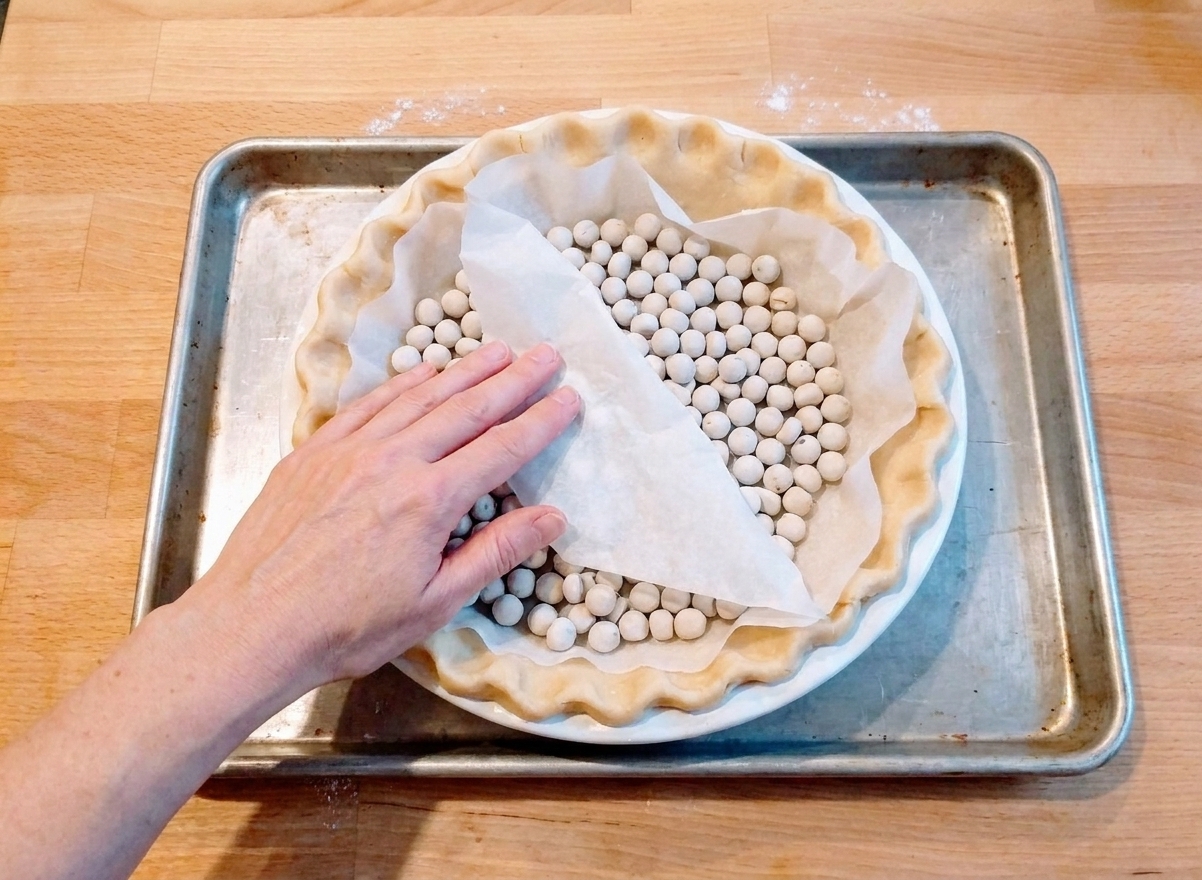
For custard or juicy fillings, do a quick par-bake (see instructions). You can also brush the warm par-baked crust with egg white and bake 2 more minutes to create a thin moisture barrier.

Can I make this dairy free?

Yes. Swap the butter for cold vegan butter sticks. Avoid tub spreads since they are softer and can make the dough greasy.

Do I have to use an egg?

The egg helps a lot with flexibility. If you cannot use egg, you have options, but expect the dough to be a bit more delicate.

Option 1 (closest feel): Use 3 tablespoons aquafaba (liquid from canned chickpeas) plus 1 tablespoon oil to replace 1 whole egg. Add 1 extra tablespoon ice water as needed.

Option 2 (simple pantry swap): Mix 1 tablespoon ground flaxseed with 3 tablespoons water. Let it gel 10 minutes, then use in place of the egg.

I ditched culinary school plans for more hands-on learning, which basically means I learned the hard way, repeatedly, that pie crust is not impressed by confidence. Gluten free pie crust is even less impressed. The first time I tried, it shattered like a cookie and I pretended it was intentional, like some kind of rustic crumble-top pie that definitely was not a crumble-top pie.

This version is the one I trust when I want a calm bake: cold butter, a blend that behaves, and just enough moisture to roll without fear. It is still pie, so it is allowed to be a little imperfect. The goal is buttery and crisp, not museum-grade geometry.