What gluten free flour is best for pie crust?
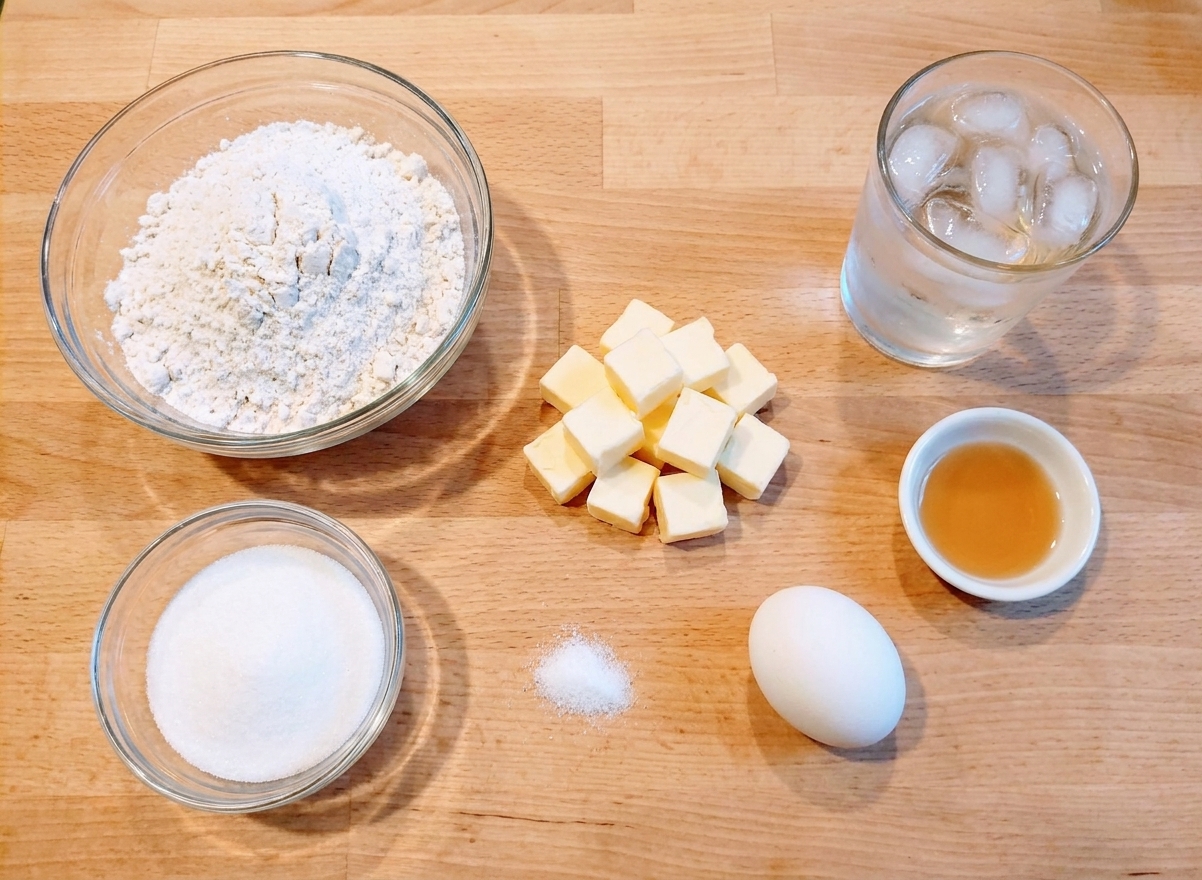
Use a cup-for-cup gluten free baking flour that is meant to replace all-purpose flour 1:1. Because gluten free blends vary a lot by brand and grind, check your blend’s label for weights if you bake by grams.
If your blend already includes xanthan gum or other binders (like guar gum or psyllium), do not add more. If your blend contains no binders, add 3/4 teaspoon xanthan gum to start. If your dough still feels fragile after chilling, you can go up to 1 teaspoon next time.
Why did my gluten free crust crack when I rolled it?
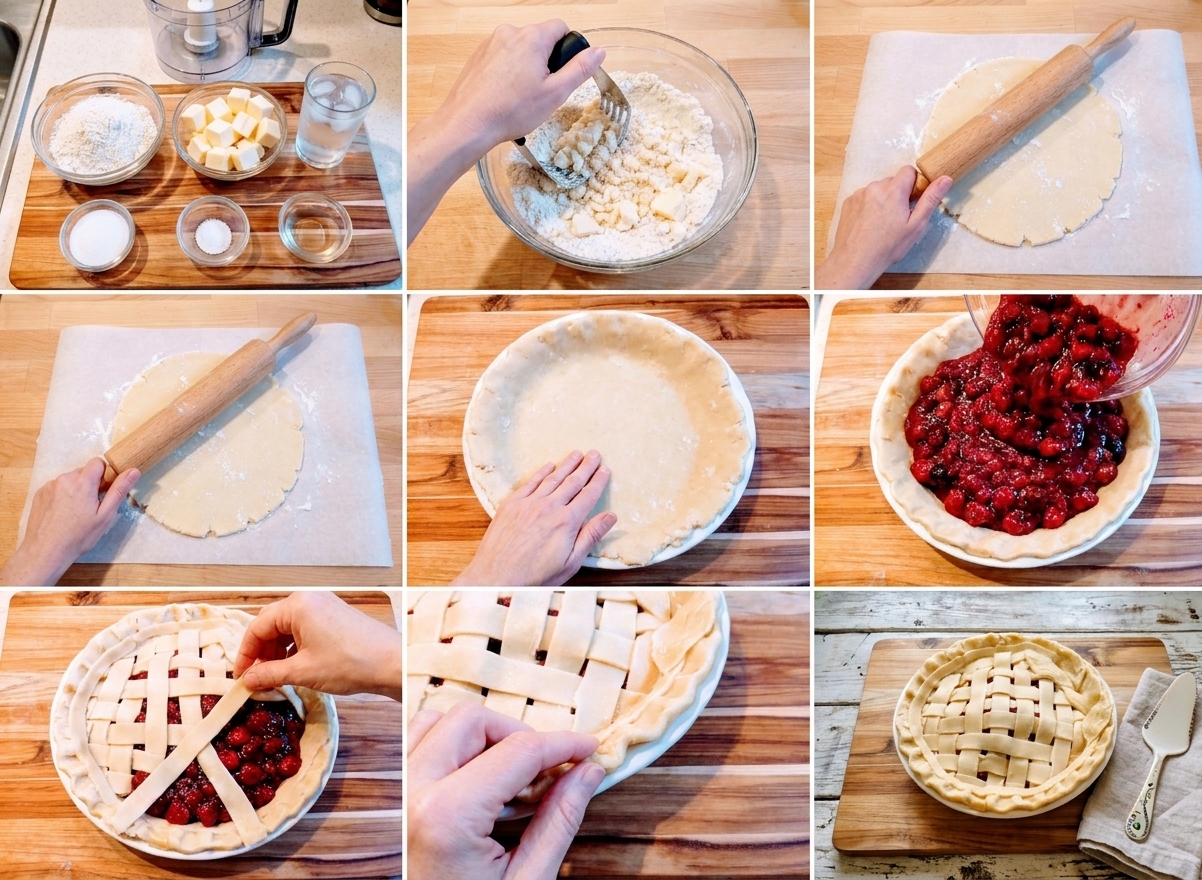
Usually one of two things: it is too cold (needs 10 minutes on the counter) or too dry (needs another 1 to 2 tablespoons ice water). Gluten free dough should feel cool and pliable, like soft clay, not crumbly sand.
How do I keep the bottom from getting soggy?
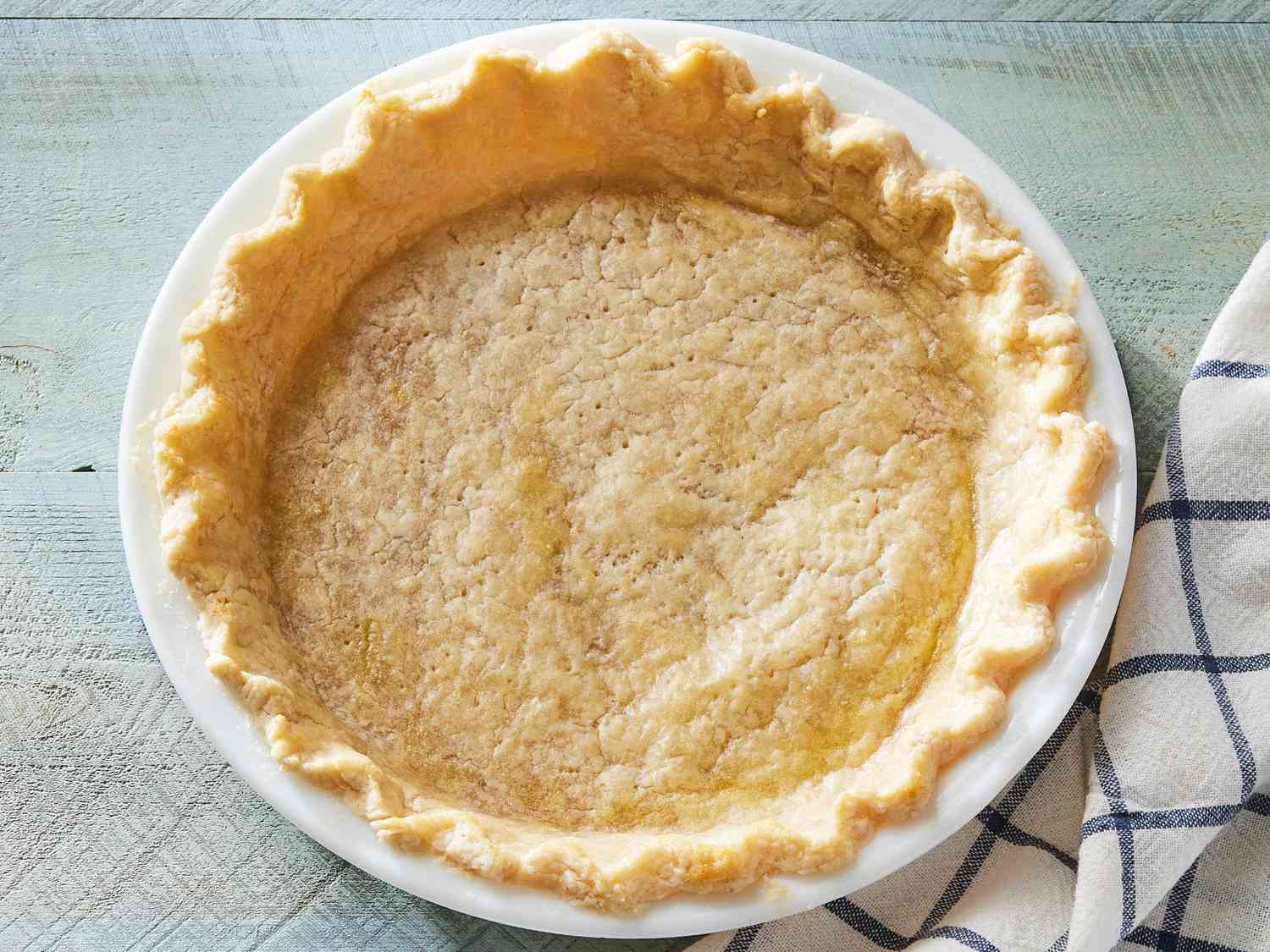
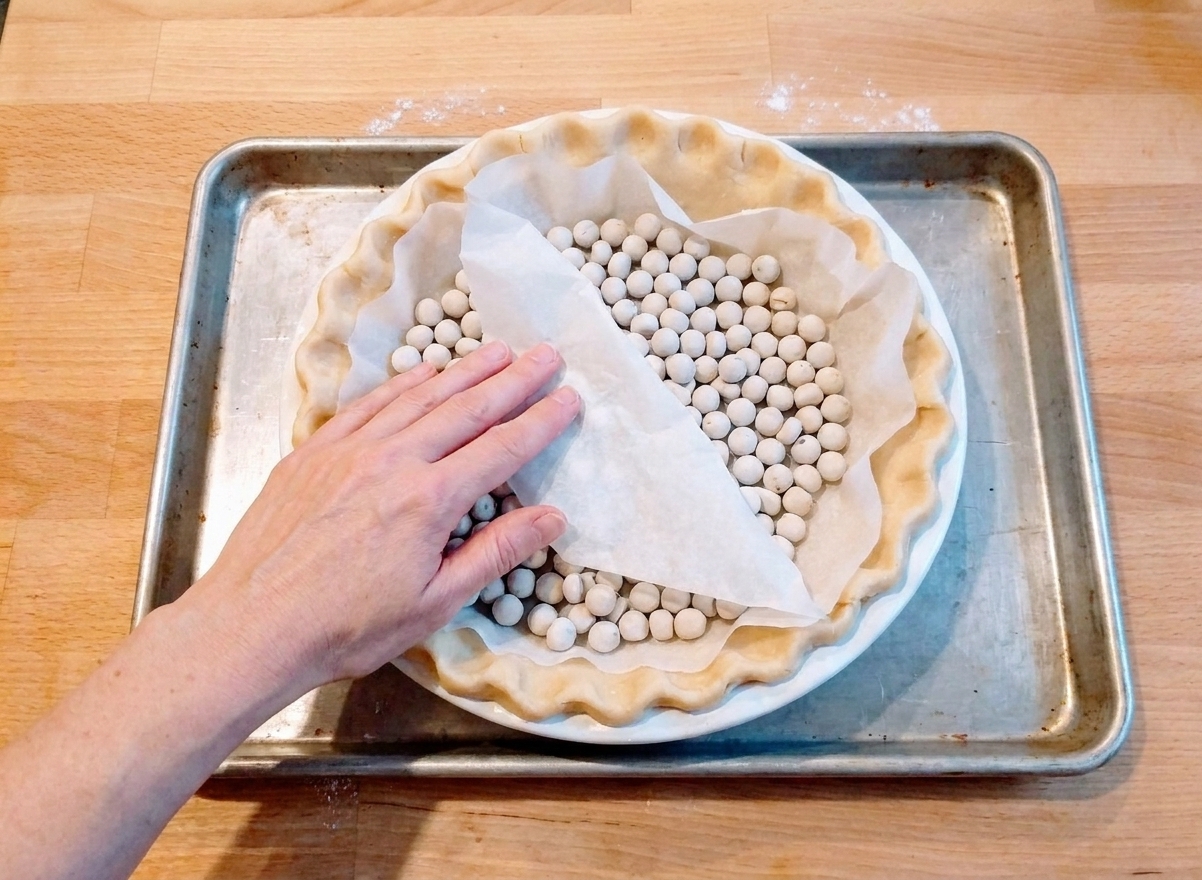
For custard or juicy fillings, do a quick par-bake (see instructions). You can also brush the warm par-baked crust with egg white and bake 2 more minutes to create a thin moisture barrier.
Can I make this dairy free?
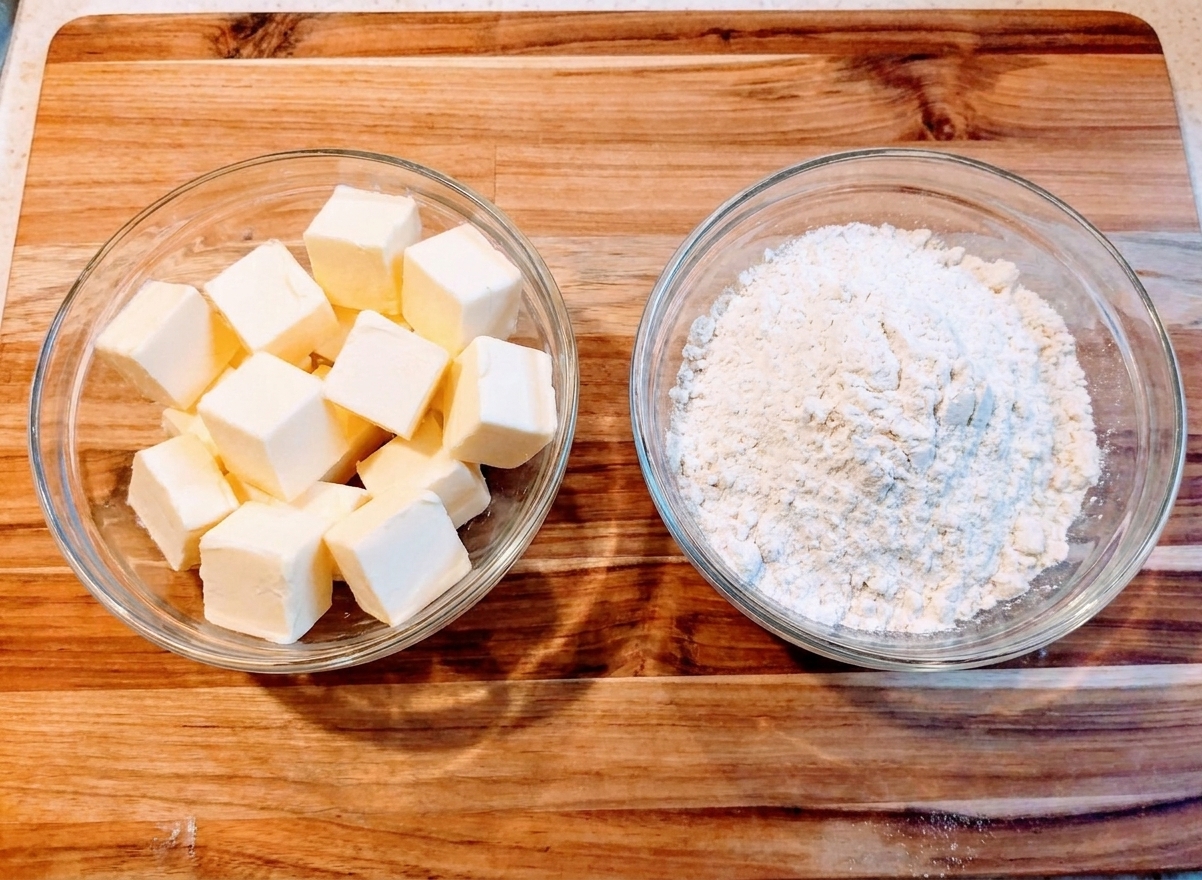
Yes. Swap the butter for cold vegan butter sticks. Avoid tub spreads since they are softer and can make the dough greasy.
Do I have to use an egg?
The egg helps a lot with flexibility. If you cannot use egg, you have options, but expect the dough to be a bit more delicate.
Option 1 (closest feel): Use 3 tablespoons aquafaba (liquid from canned chickpeas) plus 1 tablespoon oil to replace 1 whole egg. Add 1 extra tablespoon ice water as needed.
Option 2 (simple pantry swap): Mix 1 tablespoon ground flaxseed with 3 tablespoons water. Let it gel 10 minutes, then use in place of the egg.