Mom's Best Recipes
Recipe

Vegetable Oil Pie Crust

A stirred, no-cut-in pie crust made with vegetable oil for quick mixing and a tender finish that can slice neatly when the dough is hydrated well and baked until set.

Author By Pip
4.7
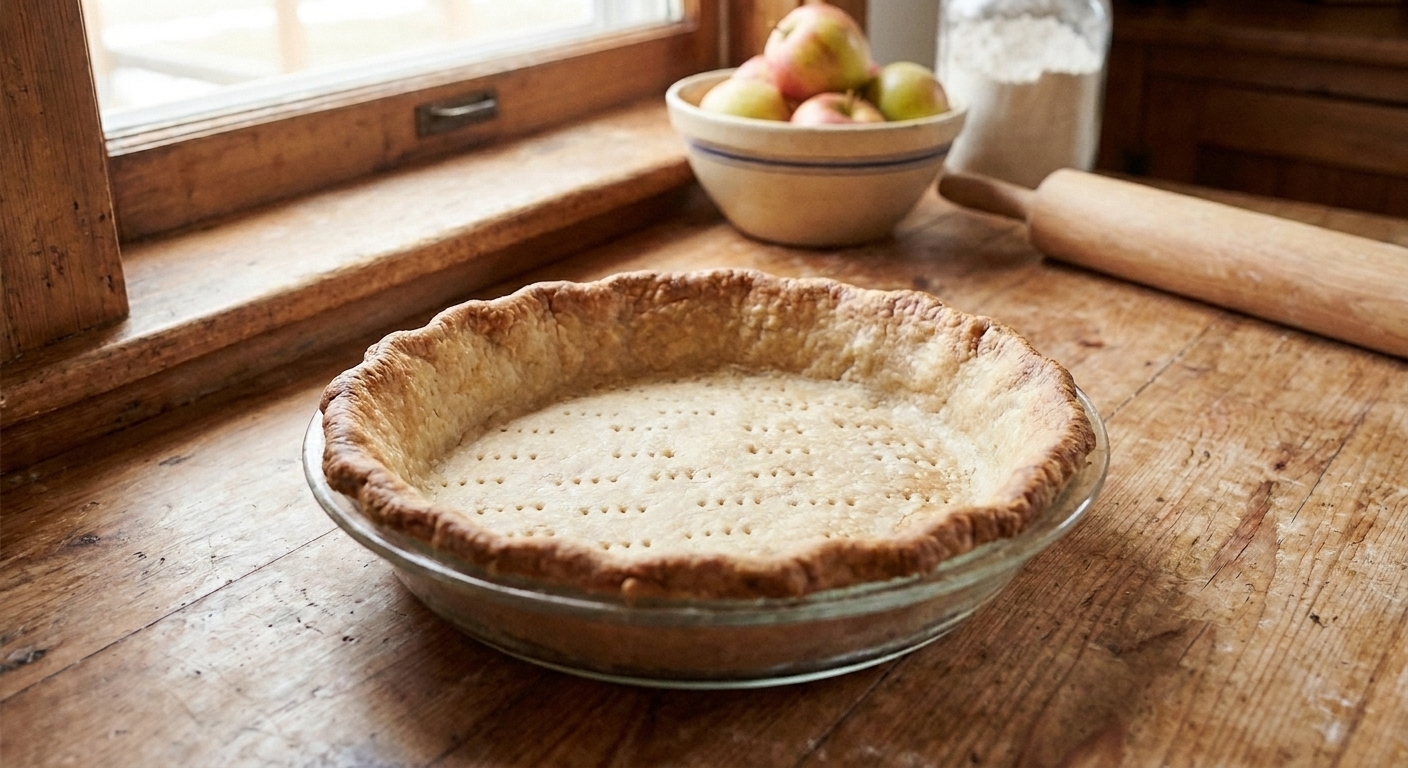
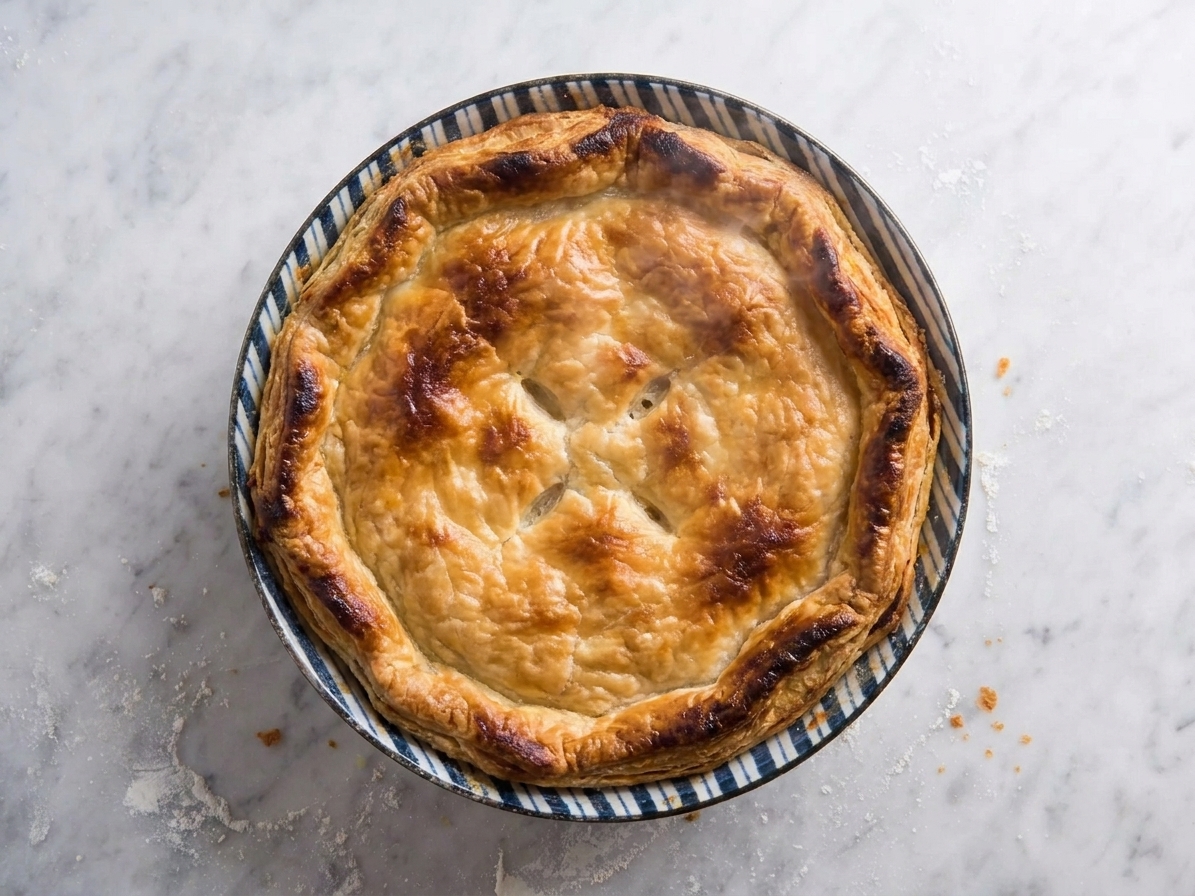
A baked pie crust in a glass pie dish on a light kitchen counter, golden at the edges and evenly baked, ready to fill

Pull up a chair. Our little hedgehog host, Pip, has a soft spot for recipes that feel like kitchen shortcuts without tasting like shortcuts. This vegetable oil pie crust is exactly that: no butter cubes, no pastry cutter, no rubbing fat into flour. Just stir, shape, and bake.

This style of crust bakes up tender with a gentle crispness, and with the right ratio and a couple of cues, it can slice cleanly instead of shattering into crumbs. I will show you the oil-to-flour ratio, two shaping options (roll or press-in), plus the visual signs that say, “Hey, I am done. Quit hovering.”

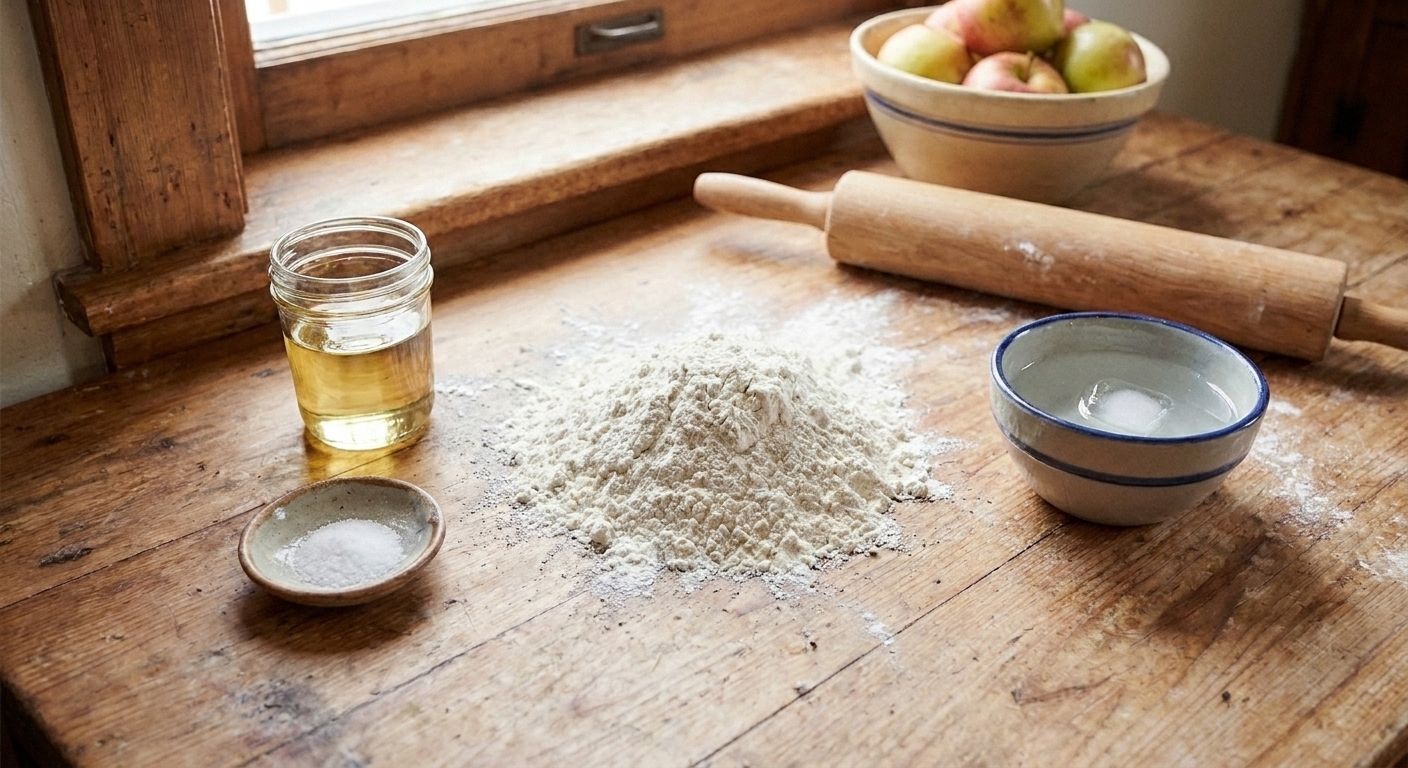
Measured flour, salt, vegetable oil, and a small bowl of cold water arranged on a tidy kitchen counter, ready for making pie crust

Why It Works

  • Fast mixing, no cut-in step: Oil coats the flour quickly, so a spoon and a bowl are all you need.
  • Oil-to-flour ratio you can remember: About 1 part oil to 3 parts flour by volume makes a tender, workable dough.
  • Two easy shaping methods: Roll between parchment for less sticking, or press straight into the pie plate.
  • Tender with tidy slices: With enough water and a fully set bottom, this crust can hold together and slice neatly.

Pairs Well With

Storage Tips

Storage Tips

If the crust is baked (blind baked or fully baked)

  • Room temperature: Store tightly covered for up to 2 days. Keep it away from steam and humidity, which soften the crust.
  • Refrigerator: Cover and refrigerate for up to 5 days. Quality is best in the first couple of days.
  • Freezer: Wrap the cooled crust in plastic wrap, then foil. Freeze up to 2 months. Thaw overnight in the refrigerator.

If the dough is unbaked

  • Refrigerator: Wrap and chill up to 24 hours. Oil crust dough can firm up, so let it sit on the counter for 10 to 15 minutes before rolling or pressing.
  • Freezer: For best results, freeze the dough in the pan only if you are using a metal pie plate. Wrap well and freeze up to 1 month. Bake from frozen, adding a few extra minutes, and watch the color. If you are using a glass pie plate, avoid baking directly from frozen to reduce the risk of thermal shock. Thaw in the refrigerator first.

Common Questions

Common Questions

What is the oil-to-flour ratio for vegetable oil pie crust?

A dependable starting point is about 1:3 oil to flour by volume. For this recipe: 1/2 cup oil to 1 1/2 cups flour. You will also add cold water, usually 3 to 5 tablespoons, just until it holds together. Depending on your flour brand and kitchen humidity, some oil crusts work better a little richer (closer to 1:2 1/2), so use the dough cues in the steps as your final guide.

Why is my oil pie crust crumbly and hard to roll?

Most often it needs a bit more water. Add 1 teaspoon at a time and mix gently. Oil crusts can look a little sandy at first, then suddenly come together when the water is just right.

Why did my crust turn out tough?

Toughness usually comes from too much mixing or too much flour added during rolling. Mix only until combined, and roll between parchment to avoid dusting in extra flour.

Can I press this dough into the pan instead of rolling?

Yes, and it is one of the best uses for an oil crust. Press it evenly across the bottom and up the sides, then crimp. If it feels sticky, lightly oil your fingertips or press through a piece of parchment.

Do I need to chill vegetable oil pie crust?

Not necessarily. Unlike butter crust, this dough is meant to be quick. If your kitchen is warm or the dough feels soft, a short chill of 15 to 20 minutes can make shaping easier, but it is optional.

How do I know when the crust is baked enough?

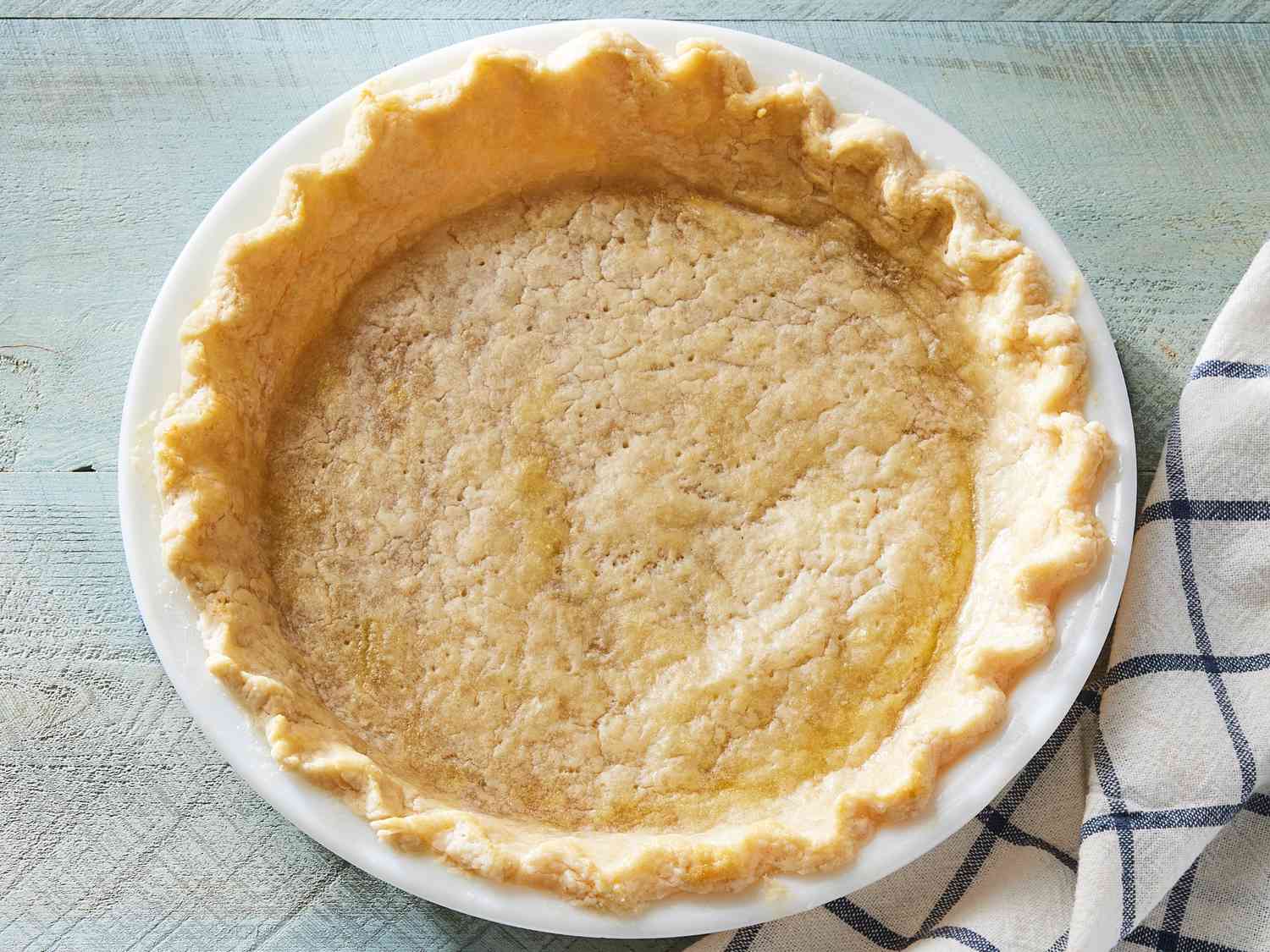
Look for dry, set edges that are turning light golden, and a bottom that looks matte rather than shiny. You should also notice a lightly toasted smell. If blind baking for a no-bake filling, the crust should be evenly pale-golden and feel set across the bottom.
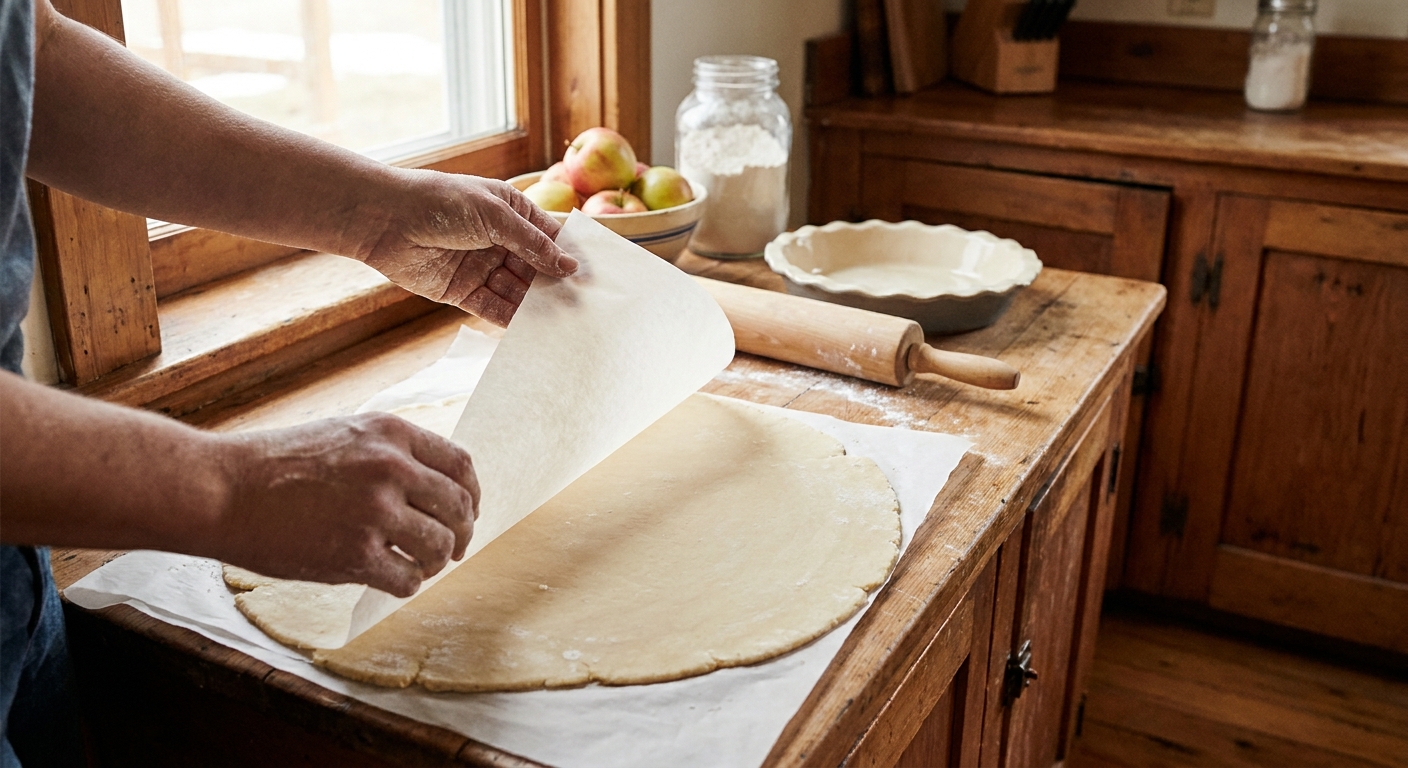
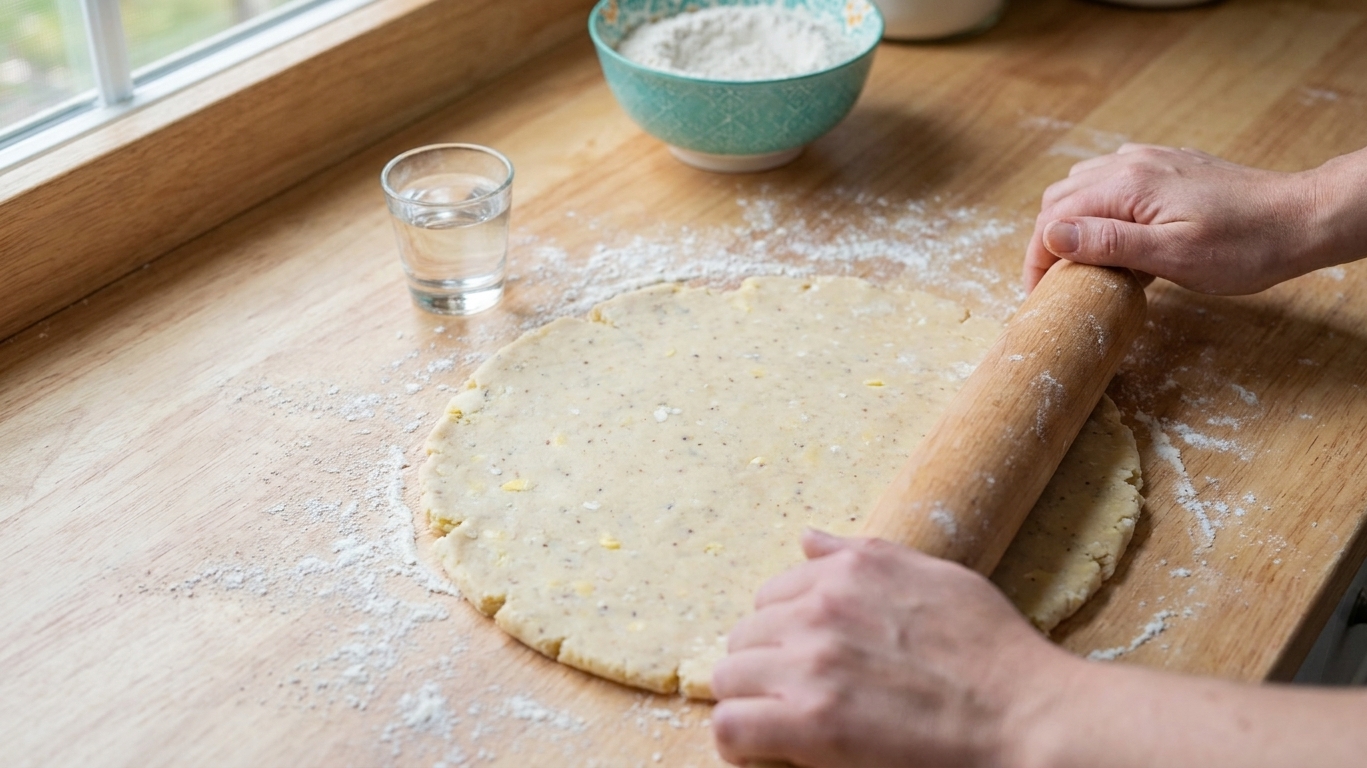
Pie dough rolled between two sheets of parchment paper on a kitchen counter, with the dough forming a wide circle ready to transfer

There is something oddly satisfying about a pie crust that does not demand a pastry cutter and a pep talk. This one is the practical, cozy kind. Stir it up, pat it in, crimp the edges, and you are already halfway to something wonderful. Pip calls that a win, especially on days when the only thing flakier than the weather is the to-do list.